Puppy & Kitten Care in Sioux Falls, SD
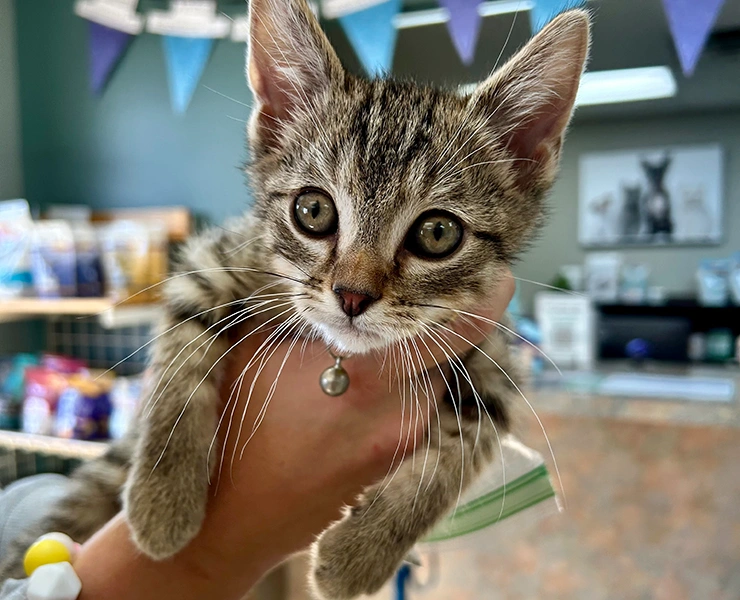
At Best Care Pet Hospital, we know there are few things better than having a new furry friend. For new pet parents, we recommend scheduling a physical examination as soon as possible. The earlier you take in your new buddy, the sooner we can ensure they are prepared for a long, happy, and healthy life with you. Oftentimes, pets may face fear or anxiety when being taken to a veterinary clinic. Therefore, we recommend bringing in your pet when they are young in order to help them get familiar with our environment and relieve some of the stress they might otherwise have. We can’t wait to meet your new four-legged companions!
Puppy Wellness Exams
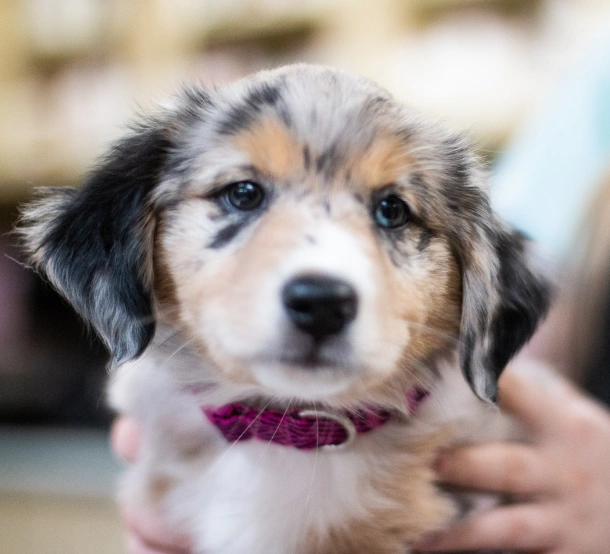
Puppy exams are typically scheduled at 8 weeks, 12 weeks, and 16 weeks. This allows us to carefully monitor your puppy’s growth, administer vaccinations, prevent illness, and address medical conditions they may have. We will be sure to keep you informed about your puppy’s behavior, health and more! Puppy wellness visits include a physical examination as well as a fecal exam and vaccinations.
Puppy Vaccinations
Since puppies have immature immune systems, it is important to ensure that they are protected against life-threatening illnesses by being vaccinated.
Before your puppy has been fully vaccinated, we recommend that you be conscious of where to take them. Until they have received their full vaccinations, avoid places where other dogs interact.
Core vaccines are highly recommended for all dogs and some are required by law. This includes Distemper, Hepatitis, Parainfluenza, Parvovirus, Rabies, and Leptospirosis.
Non-core vaccines are recommended based on a dog’s health, lifestyle, and exposure. This includes Bordetella (kennel cough) and Canine Influenza.
Click here to learn more about vaccines and how they keep your pet safe.
Kitten Wellness Exams
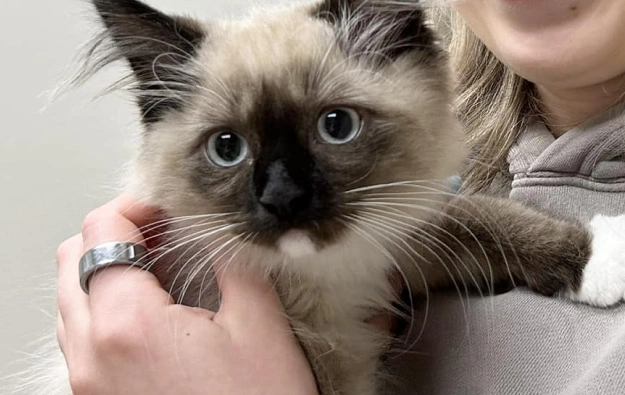
Kitten exams are typically scheduled at 8 weeks, 12 weeks, and 16 weeks. Our team will carefully monitor your kitten’s growth, address any medical conditions, and prevent illness. During these exams, we will keep you informed about your kitten’s health, behavior, and more. Kitten wellness visits include a physical examination as well as vaccinations and a fecal exam.
Kitten Vaccinations
Before your kitten is fully vaccinated, it is recommended that they are kept away from other cats to prevent sickness or disease.
Core vaccines are highly recommended for all cats. These include Distemper, Calicivirus, Rhinotracheitis, and Rabies vaccines.
Non-core vaccines are recommended based on a cat’s health, lifestyle, and exposure. The Feline Leukemia vaccine will be discussed with you to determine if your kitten should receive this vaccine.
Click here to learn more about vaccines and how they keep your pet safe.
Multi-Cat Households
We highly recommend having your new kitten tested for Feline Leukemia (FeLV) and Feline Immunodeficiency Virus (FIV) before introducing him or her to other cats in your home.
If you currently have new kittens in your household, it is a good idea to make the introduction process slow as cats are inherently territorial. First, place the cat in a separate room so that they can pick up the scent of each other. Then, place your kitten in a carrier to let the other cats see him or her. Finally, let them interact. We would be happy to discuss ways to introduce your cats to one another, feel free to ask us!
Microchipping
Every year an estimated 10 million pets are lost or stolen, that is around 1 in every 3 pets! And despite lost pets being found and brought to animal shelters or hospitals, many are never reunited with their owners. To prevent this heartbreak, Best Care Pet Hospital offers microchipping.
Whether your pet spends most of their time indoors or outdoors, Best Care strongly urges all pet owners to be prepared for anything. Microchips provide reliable identification for your pet as well as owner contact information, and greatly increases the chances of being reunited with your lost pet. Pets may receive a microchip at any age, but Best Care recommends pets are microchipped sooner rather than later to ensure peace of mind.
Microchip implementation is a quick procedure and causes no harm to your pet. In addition, your pet does not have to be sedated for the procedure. Upon the insertion of your pet’s microchip, you can complete the registration process by uploading your current contact information to the national database, which may be updated at any time if you ever move or change phone numbers.
Animal hospitals, care workers, and shelters are equipped with a scanner should they find any lost pet. If a pet has a microchip, the scanner can retrieve the owner’s contact information.
Our veterinary team also recommends that all pet owners use collars and identification tags for their pets. While these methods may not be as effective as microchipping, they are added resources to help reunite you with your pet should they ever get lost.
Spay/Neuter Procedure
We recommend the best time to perform a spay/neuter procedure at around six months of age. Timing may vary in some cases, and our medical team will guide you to what is best for your pet’s health.
Pets can return home the same day as surgery and recovery is generally a smooth process.
Having your pet neutered can prevent unwanted litters, improve a pet’s overall health, and help to prevent overpopulation among pets.