
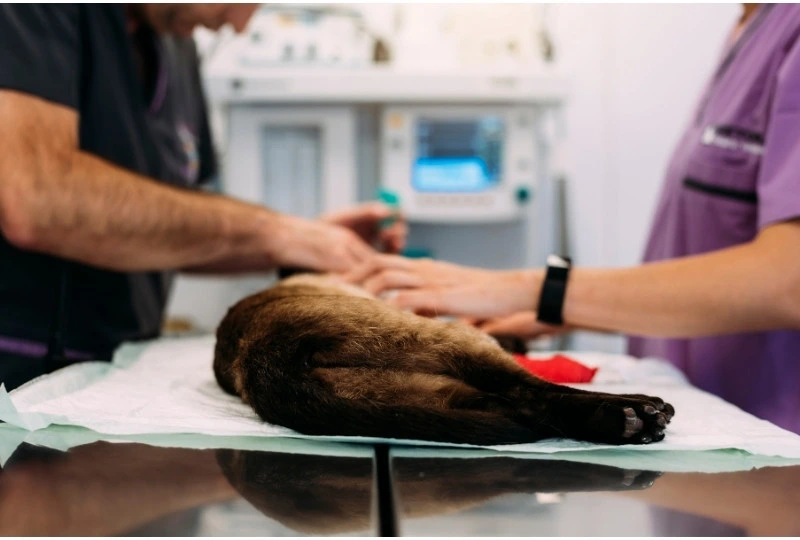
Every pet parent worries about their beloved companion needing medical procedures. Learning about different types of pet surgery empowers you to recognize warning signs and make informed choices. This comprehensive overview explains various surgical options and helps identify when intervention becomes necessary.
Understanding Urgent vs. Planned Surgical Procedures
Veterinary surgical procedures are divided into two distinct categories: immediate interventions and scheduled operations.
Immediate surgical interventions occur during medical crises threatening your companion’s survival. These situations include extracting swallowed objects, repairing traumatic injuries, or addressing internal complications. Quick action determines successful outcomes.
Scheduled surgical operations allow careful planning and preparation. Reproductive sterilization, routine dental procedures, and preventive treatments fall into this category. These interventions enhance long-term wellness and prevent future complications.
Essential Surgical Procedures for Companion Animals
Reproductive Sterilization Operations
Reproductive sterilization represents the most frequent type of pet surgery performed nationwide. Female sterilization involves removing the ovaries and uterus, while male procedures remove the testicles.
Veterinarians typically recommend these procedures between four and six months of age. Benefits include cancer prevention, behavioral improvement, and population control.
Expert care for your pet’s teeth using safe procedures
Aging companion animals frequently require dental surgical care. Procedures address infected teeth, advanced gum disease, and oral tumors. Warning signs include persistent bad breath, eating difficulties, and facial swelling.
Preventive dental maintenance reduces the need for extensive surgical treatment.
Internal Organ and Tissue Surgery
This surgical category addresses problems affecting internal structures. Common procedures involve:
- Growth and tumor extraction
- Urinary blockage correction
- Abdominal wall repair
- Skin abnormality removal
Critical Abdominal Interventions
Pets occasionally consume inappropriate items requiring emergency extraction. Gastric torsion in large breeds also demands immediate surgical attention to prevent fatal complications.
Recognizing Signs Your Companion Needs Surgery
Multiple indicators suggest surgical intervention may be necessary.
Observable symptoms include persistent limping, swallowing difficulties, or unusual lumps. Continuous vomiting and appetite loss lasting beyond one day warrant immediate evaluation.
Behavior modifications provide important clues. Withdrawal, unexplained aggression, or excessive lethargy often indicate pain or discomfort.
Respiratory distress always requires emergency care. Labored breathing can become life-threatening rapidly.
Age-Related Surgical Considerations
Young Animals
Juvenile pets recover quickly but require specialized anesthetic protocols. Most veterinarians prefer waiting until animals reach eight weeks minimum for major interventions.
Mature Adults
Healthy adult companions tolerate surgical procedures exceptionally well. This life stage proves ideal for elective treatments like sterilization.
Elderly Companions
Senior animals need a comprehensive pre-surgical evaluation. Blood chemistry panels assess organ function before anesthesia. With appropriate care, older pets achieve excellent surgical outcomes.
Breed-Specific Surgical Requirements
Certain dog breeds inherit predispositions to specific conditions requiring surgical treatment.
Giant breeds frequently develop hip joint problems. Brachycephalic breeds may need airway correction surgery. Toy breeds commonly experience kneecap dislocation issues.
Understanding breed vulnerabilities enables early detection and timely intervention.
Pre-Surgical Preparation Guidelines
Your veterinarian will provide detailed pre-operative instructions. Most animals require a twelve-hour food restriction before procedures. Water access typically stops several hours prior to surgery.
Create a calm space for your pet to heal comfortably after surgery. Obtain prescribed medications in advance of the procedure date.
Choose the best surgical options with guidance, advanced methods,
Rely on your veterinarian’s professional judgment regarding surgical recommendations. Ask detailed questions about risks, expected outcomes, and alternative treatments. Seeking additional opinions for complex cases is perfectly acceptable.
Evaluate your pet’s current age, general health status, and expected quality of life. Surgical intervention often provides years of comfortable living.
When your pet requires professional surgical care, selecting an experienced veterinary pet surgery team ensures optimal results through advanced techniques and compassionate care.
Locating Excellence in Veterinary Surgical Care
Geographic convenience becomes crucial during surgical emergencies. Seek veterinary facilities equipped with modern operating theaters and board-certified surgeons. Sioux Falls pet owners can locate an advanced surgical facility here for immediate access to comprehensive surgical services and emergency care.
Frequently Asked Questions
Q1. What emergency signs require immediate surgical consultation?
Ans. Critical symptoms include severe breathing difficulties, uncontrolled bleeding, inability to pass urine, repeated vomiting episodes, or visible traumatic injuries like fractures.
Q2. Which surgical procedure do most pets undergo?
Ans. Reproductive sterilization surgeries remain the most commonly performed veterinary procedures. Nearly all dogs and cats receive spay or neuter operations to prevent reproduction and reduce disease risks.
Q3. Do senior pets face increased surgical risks?
Ans. Advanced age alone doesn’t eliminate surgical candidacy. Pre-operative blood testing evaluates organ function and anesthetic tolerance.
Q4. What timeframe should I expect for different surgical procedures?
Ans. Simple sterilization procedures typically require a 30-90 minute completion time. Complex surgeries may extend 2-4 hours. Your veterinary team will provide specific timing estimates for your pet’s planned procedure.
Q5. At what age should reproductive sterilization occur?
Ans. Most veterinary professionals recommend sterilization between 4 and 6 months of age, preceding sexual maturity. Some large-breed dogs benefit from delayed sterilization until skeletal development is complete.
Q6. Do indoor cats require the same surgical interventions as outdoor pets?
Ans. Indoor cats still benefit from sterilization and may require dental surgery with aging. While less prone to traumatic injuries, indoor cats can develop internal tumors or other conditions necessitating surgical intervention.