Hearing that your pet needs surgery can be stressful. Many owners immediately imagine worst-case scenarios. However, modern veterinary medicine has advanced significantly. Today, most procedures are safe, routine, and carefully monitored.
Understanding what happens during surgery helps you feel prepared and confident. More importantly, it helps you support your pet before and after the procedure. Veterinarians perform many operations not only to treat illness but also to prevent future health problems.
In this guide, Best Care Pet Hospital explains the most common operations performed on dogs and cats, why they are necessary, and what recovery looks like. This article is especially helpful for pet families in Sioux Falls, SD.
Why Surgery Is Sometimes Necessary
First, surgery is not always a last resort. In many cases, it is the most effective and fastest way to relieve pain, remove disease, and restore normal function. Without treatment, certain conditions may worsen quickly.
Veterinarians recommend surgery to:
- Remove tumors or growths
- Repair injuries
- Prevent reproductive diseases
- Treat infections
- Improve quality of life
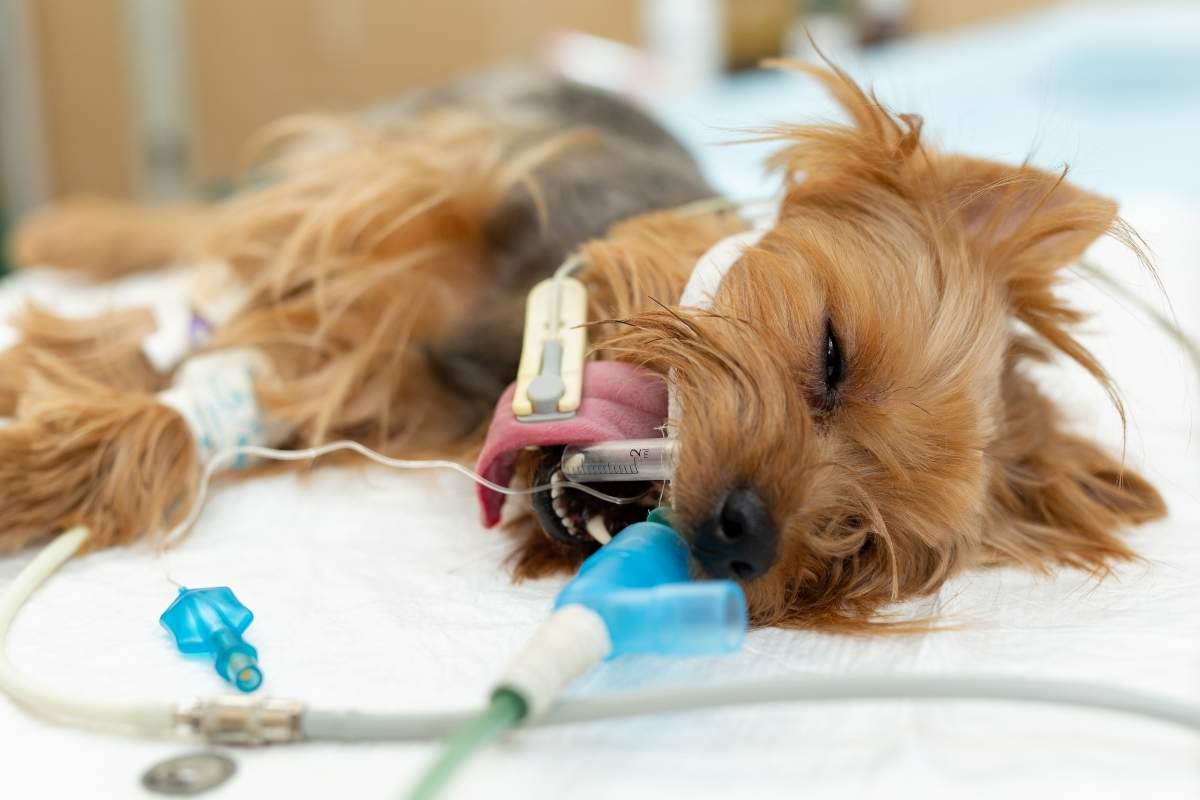
Modern anesthesia monitoring, sterile equipment, and pain management make pet surgery safer than ever before.
Spay Surgery (Ovariohysterectomy)
Spaying is one of the most common procedures for female dogs and cats. During this operation, the veterinarian removes the ovaries and uterus.
Benefits
- Prevents unwanted litters
- Eliminates heat cycles
- Reduces risk of mammary cancer
- Prevents uterine infection (pyometra)
Pyometra is a life-threatening infection that often requires emergency surgery. Therefore, preventive spaying protects both health and safety.
Recovery
Most pets recover within 10–14 days. Activity restriction and incision care are important during healing.
Neuter Surgery (Castration)
Neutering removes the testicles in male pets. Although simple, this procedure provides major health and behavioral benefits.
Benefits
- Reduces roaming behavior
- Decreases aggression
- Prevents testicular cancer
- Lowers prostate disease risk
Additionally, neutered pets often adapt better to indoor living and family routines.
Dental Surgery
Dental disease is extremely common in both dogs and cats. In fact, many pets show no obvious symptoms until the condition becomes severe.
Veterinary dental procedures include:
- Tooth cleaning
- Tooth extraction
- Gum infection treatment
Untreated dental infections can spread to the heart, liver, and kidneys. Therefore, dental care is not cosmetic — it is essential medical treatment.
Recovery
Pets usually resume normal eating within a few days, although soft food may be recommended initially.
Mass or Tumor Removal
Veterinarians frequently remove lumps or growths. While many are benign, some may be cancerous. Early removal improves outcomes and prevents spreading.
The removed tissue is typically sent to a laboratory for analysis. Results help determine whether further treatment is needed.
Because pets age faster than humans, checking new lumps promptly is very important.
Foreign Object Removal
Pets explore the world with their mouths. Unfortunately, they sometimes swallow objects such as:
- Socks
- Toys
- Bones
- String
These objects can block the stomach or intestines. Symptoms often include vomiting, lethargy, and refusal to eat.
Surgery becomes urgent because a blockage can damage the digestive tract and become life-threatening.
Wound and Abscess Repair
Animal bites, accidents, and infections sometimes create deep wounds or abscesses. These require cleaning, drainage, and surgical closure.
Cats frequently develop abscesses from outdoor fights. Without treatment, the infection spreads quickly and causes severe pain.
Prompt care relieves discomfort and prevents complications.
Preparing Your Pet for Surgery
Preparation improves safety. Your veterinarian will provide specific instructions, but generally you should:
- Follow fasting guidelines
- Provide medication history
- Limit food the night before
- Arrive on time
Fasting prevents vomiting under anesthesia. Meanwhile, sharing medical history helps veterinarians choose appropriate medications.
Aftercare and Recovery
After surgery, your role becomes very important. Proper care supports healing and prevents infection.
What to Expect
Your pet may experience:
- Sleepiness
- Mild swelling
- Reduced appetite
- Temporary behavior changes
These signs usually improve within 24–48 hours.
Home Care Tips
- Restrict activity
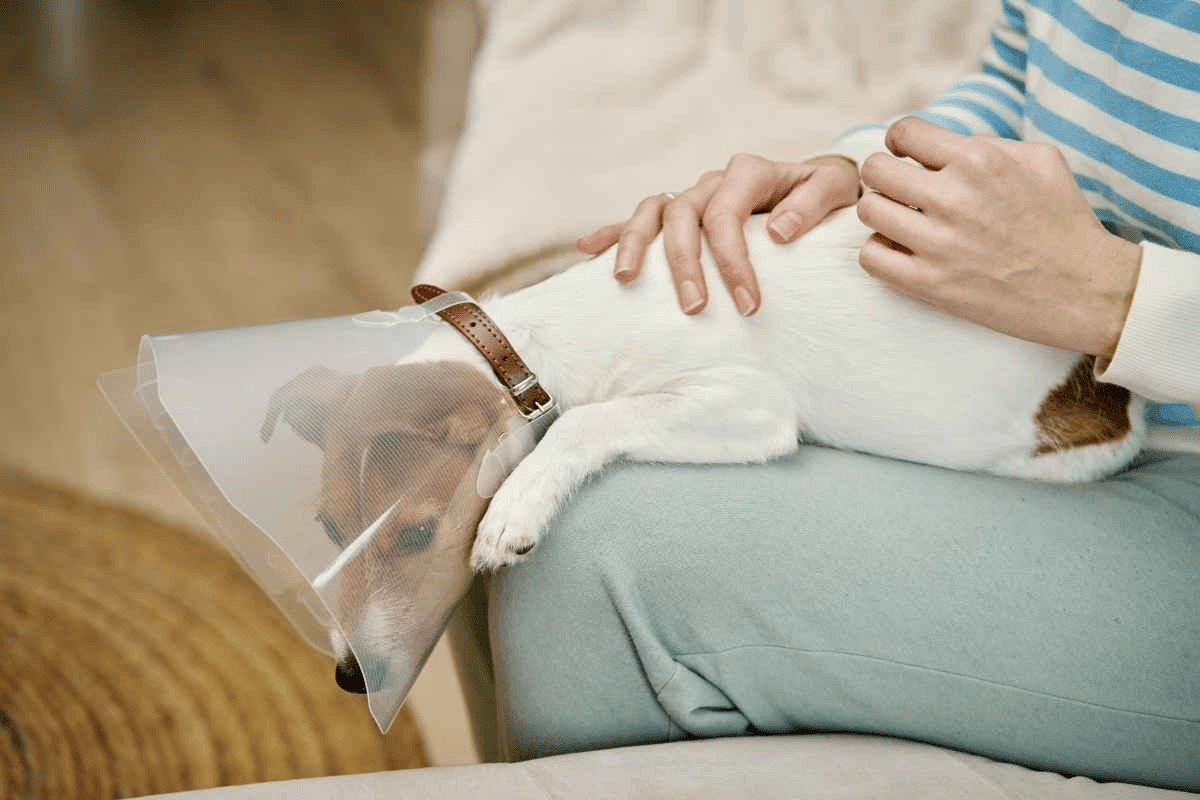
- Prevent licking with a cone
- Give medications as directed
- Keep the incision clean and dry
A calm environment encourages faster recovery and comfort.
Warning Signs After Surgery
Contact your veterinarian immediately if you notice:
- Persistent bleeding
- Bad odor from the incision
- Severe swelling
- Vomiting
- Refusal to eat for 24 hours
- Extreme lethargy
Early intervention prevents complications and supports healing.
Surgery can sound intimidating, but it often provides relief, prevents disease, and improves your pet’s quality of life. With proper preparation and attentive home care, most pets heal quickly and return to normal routines.
If you are located in Sioux Falls, SD, and searching for a dependable veterinarian, contact Best Care Pet Hospital today. Our compassionate team will guide you through the process, answer your questions, and provide attentive care so your pet can recover safely and comfortably.
Our compassionate team will guide you through the process, answer your questions, and provide attentive care so your pet can recover safely and comfortably.
FAQs
Q1. Is anesthesia safe for pets?
Ans. Yes. Modern monitoring equipment tracks vital signs continuously throughout surgery.
Q2. How long will my pet be at the clinic?
Ans. Most routine procedures are same-day, although complex surgeries may require overnight observation.
Q3. Will my pet feel pain?
Ans. Veterinarians provide pain control before, during, and after surgery to ensure comfort.
Q4. When can my pet resume normal activity?
Ans. Typically, after 10–14 days, depending on the procedure.
Q5. Can older pets have surgery?
Ans. Yes. Pre-surgical testing helps ensure safe anesthesia for senior animals.
Q6. Why does my pet need a cone?
Ans. Licking introduces bacteria and can reopen stitches, causing infection.