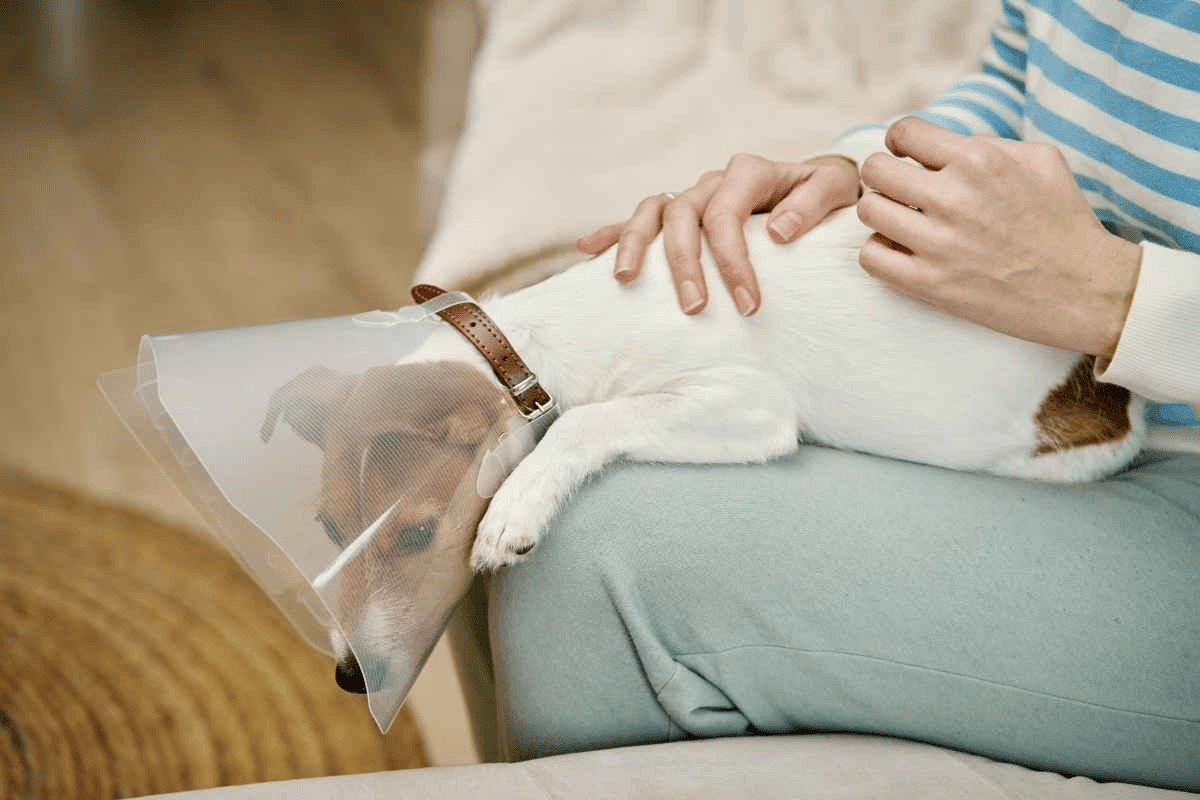
Recovery after a surgical procedure can be challenging for pets and pet owners alike. One of the most common concerns during healing is preventing pets from licking, scratching, or biting their incision sites. Even a small amount of licking can irritate healing tissue, delay recovery, and increase the risk of infection. That is why veterinarians often recommend anti-lick devices as part of a safe recovery plan.
Today, pet owners have several options beyond the traditional plastic cone. Modern recovery devices are designed to improve comfort while still protecting healing areas. Choosing the right option depends on your pet’s size, personality, mobility, and the location of the surgical site.
At Best Care Pet Hospital, veterinarians frequently help pet owners choose recovery products that support safer healing after procedures. Understanding the pros and limitations of different anti-lick devices can help owners make more informed decisions during the recovery period.
For pet families in Sioux Falls, SD, knowing how to properly manage post-surgical care at home can help reduce complications and support a smoother recovery for both dogs and cats.
Why Pets Try to Lick Surgical Areas
Licking is a natural behavior for pets. Animals often lick areas that feel painful, itchy, or unfamiliar. While this instinct may seem harmless, excessive licking can create several problems after surgery.
Potential complications include:
- Infection at the incision site
- Pulled stitches or staples
- Delayed healing
- Skin irritation
- Increased swelling or bleeding
Preventing licking is one of the most important parts of post-operative care.
Common Types of Anti-Lick Devices
Traditional Elizabethan Collar (E-Collar)
The classic plastic cone, also known as an Elizabethan collar, remains one of the most effective anti-lick options.
Benefits include:
- Strong protection against licking
- Widely available
- Effective for most surgical locations
However, some pets struggle with visibility, eating, or sleeping while wearing rigid plastic cones.
Soft Recovery Collars
Soft recovery collars are flexible alternatives designed to improve comfort while limiting access to healing areas.
Advantages may include:
- More comfortable for sleeping
- Less intimidating for anxious pets
- Easier movement around furniture
Soft collars may work best for mild licking behaviors or pets recovering from smaller procedures.
Inflatable Recovery Collars
Inflatable collars resemble travel pillows worn around the neck. These devices can prevent access to certain body areas while allowing improved peripheral vision.
Inflatable collars may help with:
- Neck comfort
- Reduced stress during recovery
- Easier eating and drinking
However, they may not fully prevent licking for pets with long necks or flexible bodies.
Recovery Suits or Surgical Garments
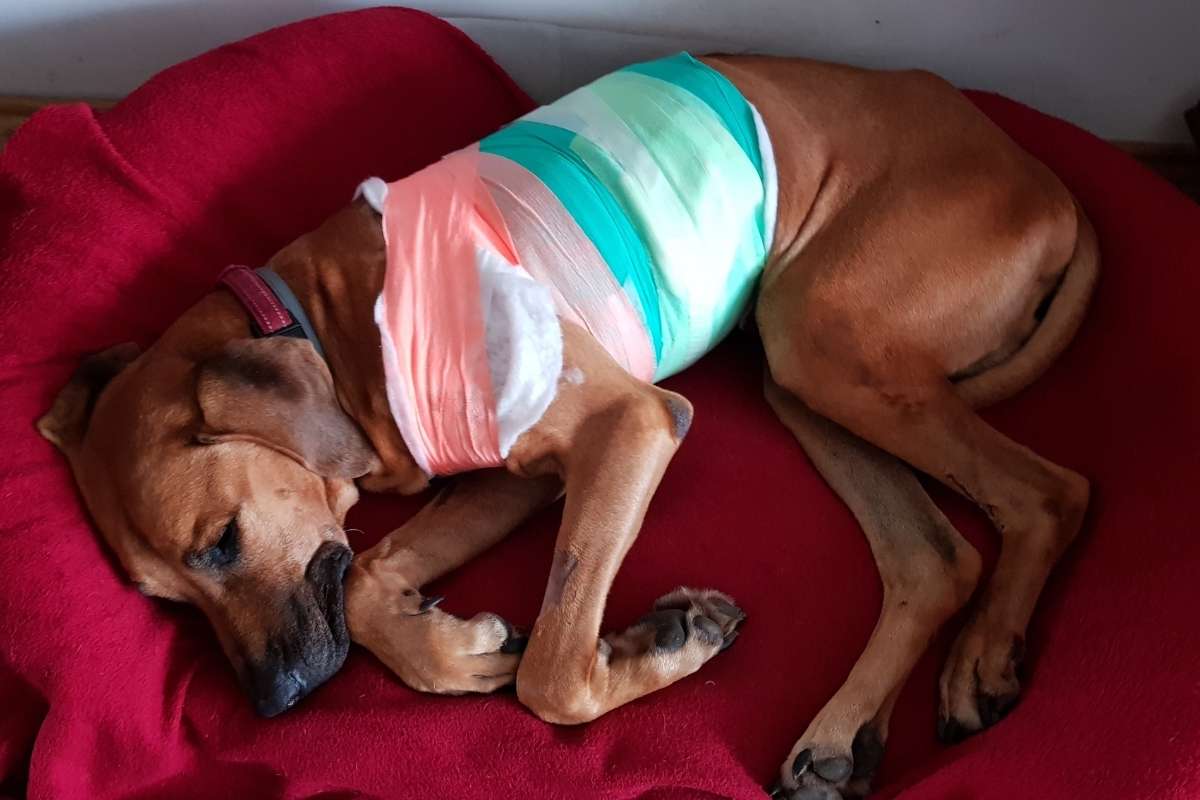
Recovery suits are wearable fabric garments that cover surgical areas directly. These are commonly used after abdominal procedures or skin treatments.
Benefits include:
- Reduced direct access to incisions
- Increased comfort for some pets
- Less obstruction during movement
These suits may not be ideal for every procedure, especially if frequent wound inspection is necessary.
How to Choose the Right Device
The best anti-lick device depends on several important factors.
Surgical Location
Some devices work better depending on where the incision is located. For example:
- Neck or facial procedures often require cones
- Abdominal incisions may work well with recovery suits
- Paw injuries may need additional bandage protection
Pet Personality
A calm pet may tolerate soft collars or recovery suits well, while determined pets may require more secure options.
Pets that become anxious or disoriented in cones may benefit from gradual introduction and supervision.
Size and Mobility
The device should fit properly without restricting breathing or causing discomfort. Poorly fitted devices may fail to prevent licking effectively.
Your veterinarian can help determine the safest fit after pet surgery.
Tips for Helping Pets Adjust
Some pets adapt quickly to recovery devices, while others need extra support during the adjustment period.
Helpful tips include:
- Offering treats and positive reinforcement
- Keeping walkways clear
- Elevating food and water bowls if needed
- Supervising during the first few hours
- Maintaining a calm environment
Most pets gradually become more comfortable after a short adjustment period.
Warning Signs During Recovery
Even with an anti-lick device, owners should continue monitoring the incision closely.
Contact a veterinarian if you notice:
- Swelling or redness
- Bleeding or discharge
- Missing stitches
- Foul odor
- Persistent licking attempts
- Severe discomfort
- Loss of appetite or lethargy
Prompt veterinary attention can help prevent more serious complications.
Importance of Follow-Up Care
Proper healing after pet surgery depends on more than simply preventing licking. Follow-up visits allow veterinarians to evaluate incision healing and monitor for complications.
Recovery instructions may include:
- Medication schedules
- Exercise restrictions
- Feeding adjustments
- Incision cleaning guidance
- Device usage recommendations
Following aftercare instructions carefully can help improve healing outcomes and reduce stress for pets during recovery.
Choosing the right anti-lick device can make a major difference in your pet’s comfort and recovery after surgery. Whether using a traditional cone, inflatable collar, or recovery suit, the goal is to protect healing tissues and reduce complications while helping pets remain as comfortable as possible. Careful monitoring and following veterinary instructions are essential for successful healing.
If you’re in Sioux Falls, SD, and need guidance from a veterinarian near you regarding recovery care after surgery, contact us at Best Care Pet Hospital. Their team can help you choose the safest recovery options, provide personalized support, and guide your pet through every stage of the healing process.
Frequently Asked Questions
Q1. Why do pets need anti-lick devices after surgery?
Ans: Anti-lick devices help prevent pets from irritating incision sites, pulling stitches, or causing infections during healing.
Q2. Are inflatable collars as effective as plastic cones?
Ans: Inflatable collars may work well for some pets, but determined pets or certain surgical locations may still require traditional cones.
Q3. How long should my pet wear a recovery collar?
Ans: Most pets need protection until the incision has healed fully, which may take 10 to 14 days or longer, depending on the procedure.
Q4. Can my pet sleep while wearing a cone?
Ans: Yes. Most pets can safely sleep with a properly fitted recovery collar or cone.
Q5. What if my pet refuses to wear the device?
Ans: Contact your veterinarian if your pet becomes extremely stressed or repeatedly removes the device. Alternative recovery options may be available.
Q6. Are recovery suits safe for all pets?
Ans: Recovery suits may work well for certain surgeries, but they are not suitable for every incision type or body location.