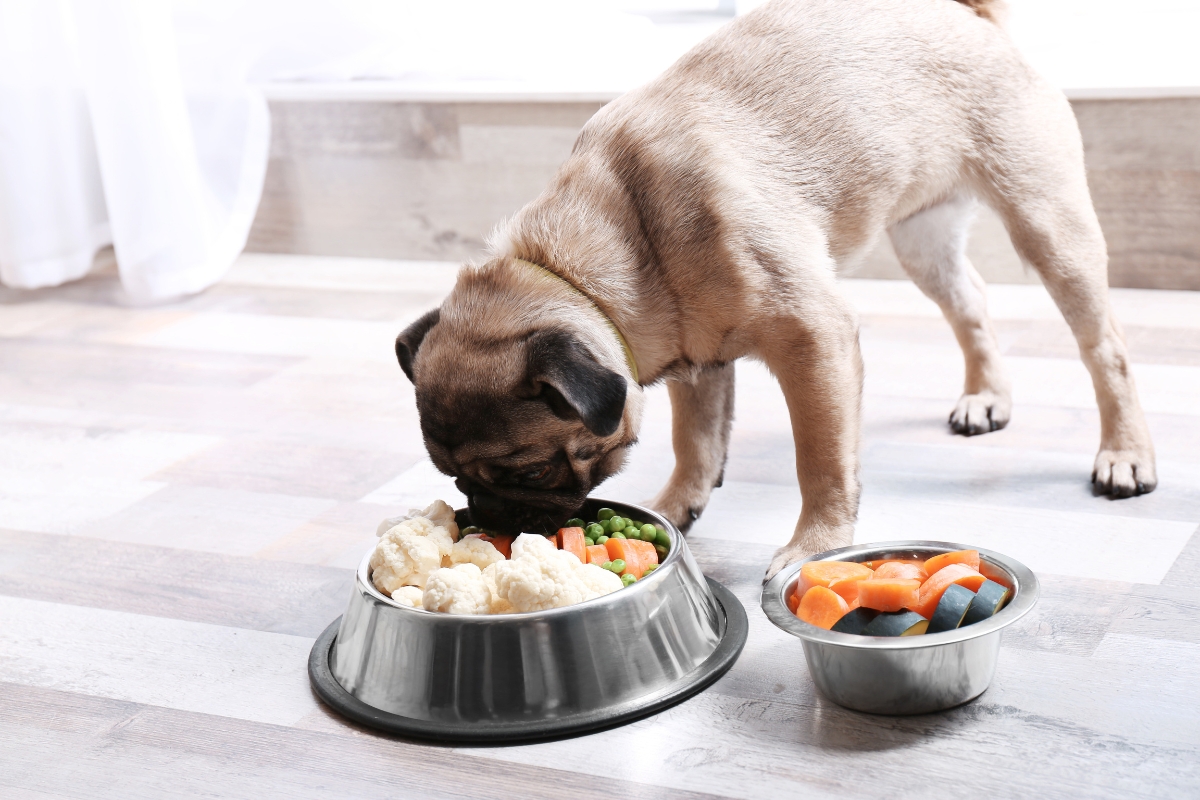

Many dog owners are becoming more interested in homemade meals as they look for greater control over their pets’ nutrition. Fresh ingredients, fewer preservatives, and customized meal plans can make homemade diets appealing for dogs with sensitivities, allergies, or specific health needs. However, preparing homemade dog food requires careful planning to ensure pets receive complete and balanced nutrition.
While homemade meals may offer benefits, improperly balanced diets can lead to nutritional deficiencies or long-term health concerns. Understanding the basics of canine nutrition and working with a veterinarian are essential steps before changing your dog’s feeding routine.
At Best Care Pet Hospital, veterinarians often help pet owners evaluate whether homemade diets are appropriate for their dogs and how to create safer meal plans that support long-term wellness. Learning the right approach can help owners avoid common mistakes while supporting healthy nutrition.
For dog owners in Sioux Falls, SD, understanding how to safely prepare homemade dog food can help improve dietary awareness and support healthier feeding habits for pets of all ages.
Is Homemade Dog Food Healthy?
Homemade dog food can be healthy when meals are properly balanced and designed to meet a dog’s nutritional requirements. Dogs need a combination of:
- Protein
- Healthy fats
- Carbohydrates
- Vitamins
- Minerals
- Fiber
The challenge with homemade diets is ensuring that all essential nutrients are provided in the correct amounts consistently.
Dogs with certain medical conditions may benefit from customized nutrition plans, but dietary changes should always be discussed with a veterinarian first.
Benefits of Homemade Dog Food
When properly prepared, homemade diets may provide several advantages.
Ingredient Control
Owners can choose fresh ingredients and avoid certain additives, preservatives, or allergens that may not work well for their pets.
Customized Nutrition
Homemade diets may allow adjustments based on:
- Food sensitivities
- Weight management needs
- Age-related concerns
- Activity levels
- Digestive issues
Improved Palatability
Some dogs enjoy the taste and texture of freshly prepared meals more than commercial foods.
Risks of Improper Homemade Diets
One of the biggest concerns with homemade dog food is nutritional imbalance. Dogs require precise nutrient ratios to maintain healthy body function.
Poorly balanced diets may contribute to:
- Calcium deficiencies
- Weak bones
- Organ problems
- Vitamin deficiencies
- Poor coat quality
- Digestive upset
Even healthy ingredients can become problematic if meals are not nutritionally complete.
Important Nutrients Dogs Need
Protein
Protein supports muscle development, tissue repair, and immune function.
Common protein sources include:
- Chicken
- Turkey
- Lean beef
- Fish
- Eggs
Healthy Carbohydrates
Carbohydrates provide energy and fiber.
Safe options may include:
- Brown rice
- Oatmeal
- Sweet potatoes
- Quinoa
Vegetables
Vegetables supply fiber, antioxidants, and vitamins.
Dog-safe vegetables include:
- Carrots
- Green beans
- Spinach
- Pumpkin
- Peas
Healthy Fats
Healthy fats support skin, coat, and brain health.
Common sources include:
- Fish oil
- Flaxseed
- Small amounts of olive oil
Foods Dogs Should Never Eat
Certain human foods can be toxic or dangerous for dogs, even in small amounts.
Avoid feeding:
- Chocolate
- Grapes and raisins
- Onions and garlic
- Xylitol products
- Alcohol
- Cooked bones
- Excessive salt
Owners should always confirm ingredient safety before preparing homemade meals.
Portion Control Matters
Overfeeding homemade food can contribute to obesity and related health conditions. Portion sizes should be based on factors such as:
- Breed size
- Weight
- Activity level
- Age
- Medical conditions
Veterinarians may recommend calorie calculations or feeding guidelines to support healthy weight management.
Transitioning to Homemade Food Safely
Sudden diet changes may upset a dog’s digestive system. Gradual transitions are usually recommended over several days.
A gradual transition may involve:
- Mixing small amounts of homemade food with the current diet
- Slowly increasing homemade portions
- Monitoring stool quality and appetite
- Watching for signs of digestive upset
Any concerning symptoms should be discussed with a veterinarian.
The Importance of Veterinary Guidance
Before starting a homemade feeding plan, pet owners should consult a veterinarian or veterinary nutrition professional. Dogs with allergies, kidney disease, diabetes, or digestive disorders may require specialized nutritional support.
An experienced veterinary hospital can help evaluate your dog’s nutritional needs and identify whether homemade feeding is appropriate for their specific health condition.
Professional guidance may help prevent nutritional deficiencies and support safer long-term feeding practices.
Tips for Safe Homemade Feeding
To improve safety and consistency, pet owners should:
- Use balanced recipes approved by professionals
- Measure ingredients carefully
- Avoid seasoning or excessive oils
- Store food properly
- Monitor body weight regularly
- Schedule routine wellness exams
Consistent monitoring helps ensure the diet continues meeting the dog’s changing nutritional needs over time.
Homemade dog food can be a rewarding option for pet owners who want greater involvement in their dog’s nutrition. However, balanced nutrition is essential for maintaining long-term health and preventing deficiencies. Understanding ingredient safety, portion control, and proper meal planning can help owners make safer feeding decisions for their pets.
If you’re in Sioux Falls, SD, and need guidance from a vet near you about creating a balanced homemade diet for your dog, schedule your appointment with Best Care Pet Hospital. Their team can help evaluate your dog’s nutritional needs, provide personalized feeding recommendations, and support your pet’s overall health and wellness for every stage of life.
Frequently Asked Questions
Q1. Is homemade dog food better than commercial food?
Ans: Homemade food can be beneficial when properly balanced, but not all homemade diets meet a dog’s nutritional requirements.
Q2. Can dogs eat homemade food every day?
Ans: Yes, if the diet is nutritionally complete and approved by a veterinarian.
Q3. What protein is best for homemade dog food?
Ans: Lean proteins such as chicken, turkey, fish, and eggs are commonly used in balanced homemade diets.
Q4. Are grains safe for dogs?
Ans: Many dogs tolerate healthy grains like brown rice and oatmeal well unless they have specific sensitivities.
Q5. Do homemade diets require supplements?
Ans: In many cases, yes. Some homemade diets may need supplements to meet complete nutritional requirements.
Q6. How do I know if my dog’s diet is balanced?
Ans: A veterinarian or veterinary nutrition professional can evaluate recipes and ensure proper nutrient balance.