When your pet needs surgery, it’s natural to have questions about the procedure, recovery, and long-term outlook. Soft tissue surgery is one of the most commonly performed types of veterinary surgery and can address a wide range of medical conditions affecting the skin, muscles, internal organs, and other non-bony structures. Whether your pet requires a routine procedure or a more complex operation, understanding what soft tissue surgery involves can help you make informed decisions about their care.
This guide explains common conditions treated with soft tissue surgery, potential risks, what to expect during recovery, and how proper post-operative care supports the best possible outcome.
What Is Soft Tissue Surgery?
Soft tissue surgery refers to surgical procedures involving tissues other than bones and joints. These operations may be performed to diagnose, treat, or manage a variety of medical conditions affecting pets.
Common areas include:
- Skin and subcutaneous tissues
- Ears
- Eyes
- Mouth
- Respiratory system
- Digestive tract
- Urinary tract
- Reproductive organs
- Liver, spleen, and other abdominal organs
Some procedures are planned in advance, while others become necessary due to illness, injury, or the discovery of abnormal growths.
Common Conditions That May Require Soft Tissue Surgery
Soft tissue surgery is recommended for many medical conditions. Early diagnosis often allows treatment before problems become more serious.
Mass and Tumor Removal
Lumps and bumps are common in both dogs and cats. While many growths are benign, others may be cancerous or become problematic over time.
Surgical removal allows your veterinarian to:
- Remove abnormal tissue
- Reduce discomfort
- Prevent further growth
- Submit tissue for laboratory analysis when appropriate
Because appearance alone cannot determine whether a mass is benign or malignant, veterinary evaluation is essential.
Spaying and Neutering
Spay and neuter procedures are among the most frequently performed soft tissue surgeries.
Benefits include:
- Preventing unwanted litters
- Reducing the risk of certain cancers
- Eliminating uterine infections in females
- Helping manage some hormone-related behaviors
These procedures also contribute to long-term preventive healthcare.
Bladder Stone Removal
Some pets develop bladder stones that cannot be dissolved through diet or medication.
Signs may include:
- Blood in the urine
- Frequent urination
- Straining to urinate
- Urinary accidents
Surgery may be recommended to remove stones and restore normal urinary function.
Gastrointestinal Foreign Body Removal
Curious pets sometimes swallow objects such as toys, socks, bones, rocks, or other household items.
An intestinal blockage may cause:
- Vomiting
- Loss of appetite
- Abdominal pain
- Lethargy
- Constipation
Prompt surgical intervention may be necessary to prevent life-threatening complications.
Wound Repair
Traumatic injuries from accidents or animal bites often require surgical repair.
Treatment may involve:
- Cleaning damaged tissue
- Removing contaminated tissue
- Closing wounds
- Placing drains if necessary
Early treatment helps reduce infection risk and promotes proper healing.
Eye and Eyelid Procedures
Certain eye conditions benefit from surgical correction.
Examples include:
- Eyelid abnormalities
- Cherry eye
- Corneal injuries
- Eyelid tumors
Protecting vision often depends on timely diagnosis and treatment.
Abdominal Surgery
Some diseases affecting internal organs require abdominal surgery.
These procedures may involve:
- Liver biopsies
- Spleen removal
- Intestinal surgery
- Gallbladder procedures
- Exploratory surgery to diagnose complex conditions
How Veterinarians Determine If Surgery Is Needed
Every pet undergoes a thorough evaluation before surgery.
Your veterinarian may recommend:
- Physical examination
- Blood testing
- Urinalysis
- Diagnostic imaging such as X-rays or ultrasound
- Fine needle aspiration or biopsy for masses
These tests help determine whether surgery is appropriate and identify any medical conditions that could affect anesthesia or recovery.
Preparing Your Pet for Surgery
Preparation helps reduce complications and supports a smoother procedure.
Depending on the surgery, your veterinarian may recommend:
- Fasting before anesthesia
- Temporarily adjusting medications
- Completing pre-anesthetic blood work
- Discussing your pet’s medical history
Following these instructions carefully helps improve surgical safety.
Understanding the Risks of Soft Tissue Surgery
Although soft tissue surgery is commonly performed, every surgical procedure carries some degree of risk.
Potential complications include:
Anesthetic Risks
Modern anesthesia is generally very safe, particularly when pets undergo pre-surgical evaluation and continuous monitoring throughout the procedure.
Risk factors may increase in:
- Senior pets
- Pets with heart disease
- Pets with kidney or liver disease
- Very young animals
Infection
Post-operative infections are uncommon but possible.
Keeping the incision clean and following discharge instructions significantly lowers this risk.
Bleeding
Some procedures involve tissues with extensive blood supply.
Veterinary teams carefully monitor for bleeding during and after surgery.
Delayed Healing
Factors that may slow healing include:
- Excessive activity
- Licking or chewing the incision
- Underlying medical conditions
- Obesity
- Poor nutrition
Most complications can be minimized through proper home care and follow-up visits.
Recovery After Soft Tissue Surgery
Recovery varies depending on the procedure and your pet’s overall health.
Many pets begin feeling better within a few days, although complete healing often requires two to four weeks.
Your veterinarian will provide individualized discharge instructions.
Activity Restrictions
Limiting physical activity is one of the most important aspects of recovery.
Avoid:
- Running
- Jumping
- Rough play
- Climbing stairs excessively
- Off-leash exercise
Controlled leash walks are typically recommended until healing progresses.
Incision Care
Inspect the incision daily.
A healthy incision should appear:
- Clean
- Dry
- Mildly pink
Contact your veterinarian if you notice:
- Swelling
- Redness that worsens
- Discharge
- Bleeding
- Foul odor
- Separation of the incision
Prevent Licking
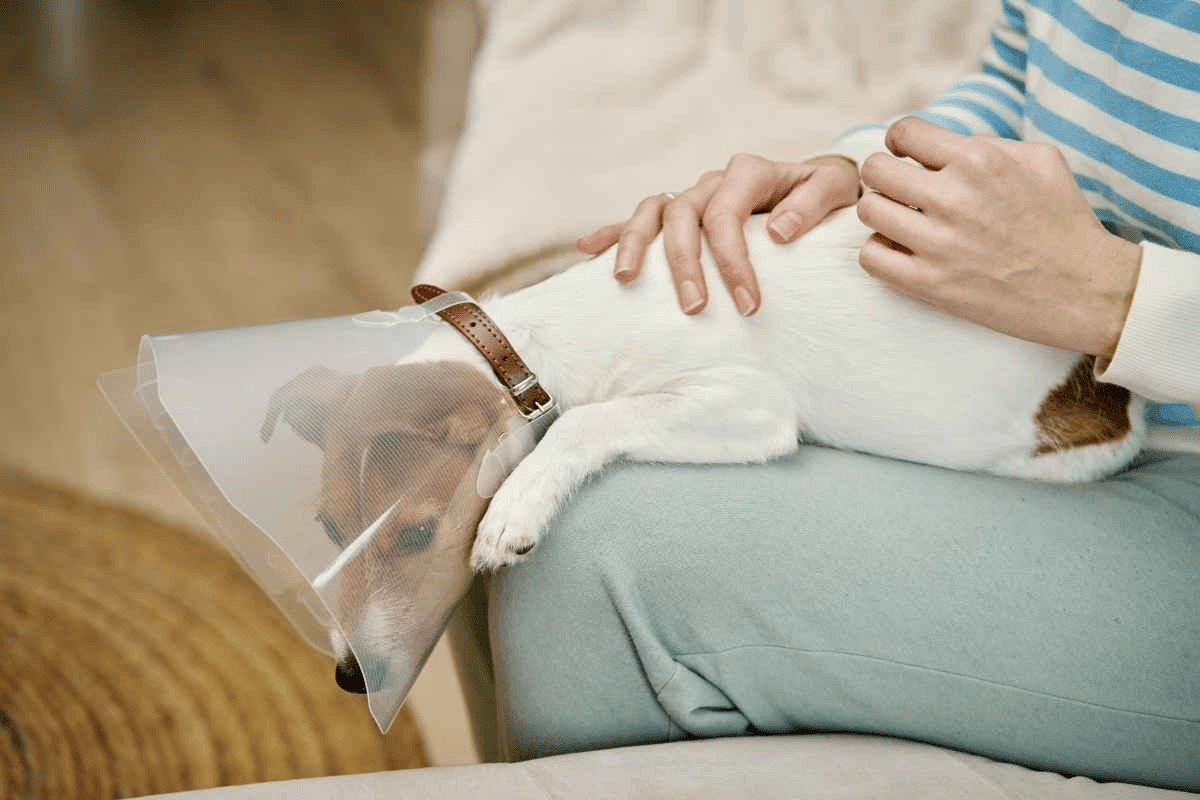
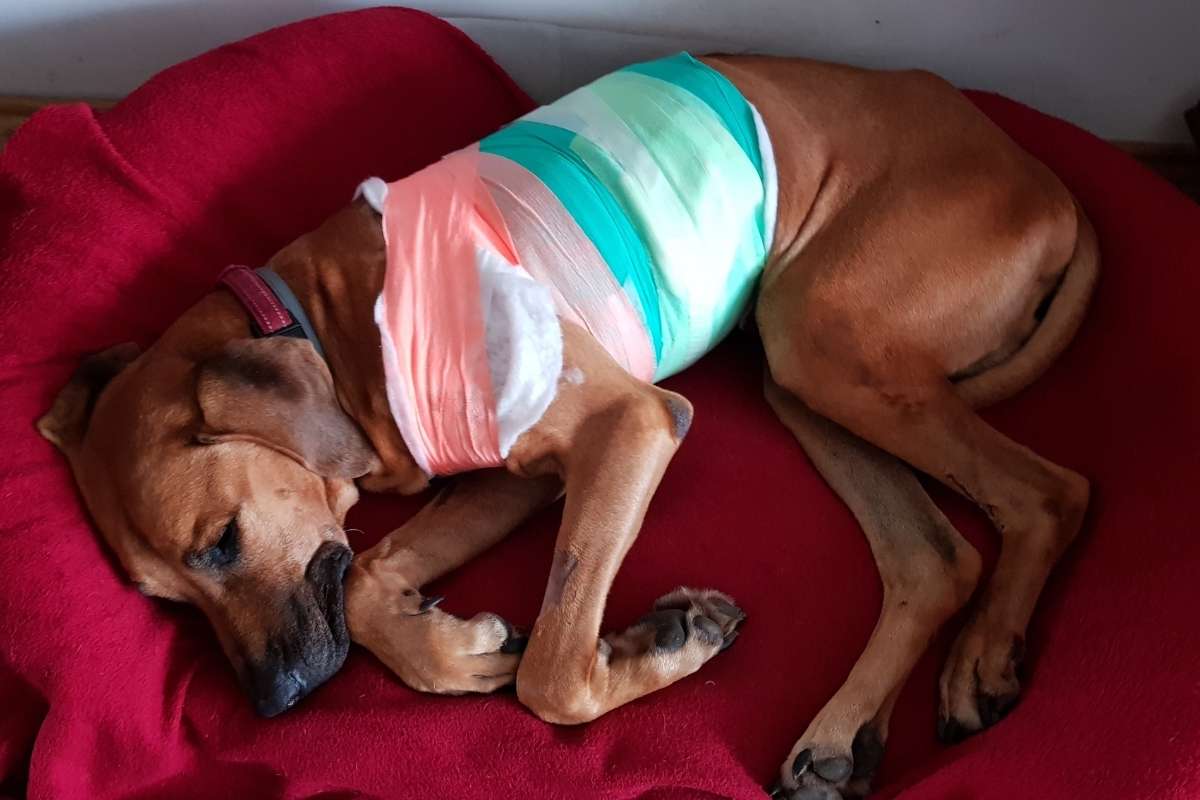
Most pets require an Elizabethan collar or recovery suit to prevent licking and chewing.
Even brief licking can delay healing and introduce bacteria.
Medication
Pain management plays an important role in recovery.
Give medications exactly as prescribed, and never administer human pain relievers unless specifically instructed by your veterinarian.
Nutrition During Recovery
Proper nutrition supports tissue repair and immune function.
Encourage your pet to:
- Drink plenty of fresh water
- Eat their prescribed diet
- Maintain a healthy weight
Some pets benefit from temporary dietary adjustments depending on the type of surgery performed.
When Should You Contact Your Veterinarian?
While mild discomfort is expected after surgery, certain symptoms require prompt evaluation.
Contact your veterinarian if your pet experiences:
- Persistent vomiting
- Refusal to eat for more than 24 hours
- Difficulty breathing
- Severe swelling
- Excessive bleeding
- Fever
- Extreme lethargy
- Opening of the incision
- Signs of significant pain
Early intervention can prevent more serious complications.
If your pet is recovering after veterinary surgery, following all post-operative instructions and attending scheduled recheck appointments helps promote safe healing and long-term success.
Supporting Long-Term Recovery
Most pets return to their normal routines once healing is complete.
Routine follow-up visits allow your veterinarian to:
- Evaluate healing
- Remove sutures if necessary
- Review laboratory results
- Adjust medications
- Discuss long-term monitoring if needed
Ongoing veterinary surgery Sioux Falls consultations may also be recommended for pets requiring additional procedures or continued treatment for complex medical conditions.
Soft tissue surgery plays a vital role in diagnosing, treating, and managing many medical conditions in dogs and cats. While hearing that your pet needs surgery can feel overwhelming, modern surgical techniques, careful anesthetic monitoring, and thorough post-operative care have made these procedures safer and more successful than ever. Understanding the reasons for surgery, potential risks, and recovery expectations helps pet owners feel more confident throughout the process.
If you’re in Sioux Falls, SD, and need guidance from a vet near you regarding your pet’s surgical needs, schedule your appointment with Best Care Pet Hospital. Our experienced team is committed to providing compassionate surgical care, personalized treatment plans, and ongoing support to help your pet recover comfortably and enjoy the best possible quality of life.
FAQs
Q1. What is considered soft tissue surgery in pets?
Ans: Soft tissue surgery includes procedures involving the skin, internal organs, reproductive system, urinary tract, digestive tract, eyes, ears, and other tissues that are not part of the bones or joints.
Q2. How long does it take pets to recover from soft tissue surgery?
Ans: Recovery depends on the procedure and the individual pet. Many pets feel better within a few days, while complete healing typically takes two to four weeks.
Q3. Is anesthesia safe for dogs and cats?
Ans: Modern veterinary anesthesia is generally very safe. Pre-anesthetic examinations, blood work, and continuous monitoring help reduce risks and improve patient safety.
Q4. How can I help my pet recover after surgery?
Ans: Follow your veterinarian’s instructions, restrict activity, prevent licking of the incision, administer medications as directed, and attend all recommended follow-up appointments.
Q5. What are signs of complications after surgery?
Ans: Contact your veterinarian if your pet develops excessive swelling, discharge, persistent vomiting, bleeding, difficulty breathing, severe pain, fever, or if the incision opens.
Q6. Will my pet need follow-up visits after surgery?
Ans: Yes. Follow-up appointments allow your veterinarian to monitor healing, remove sutures if needed, review test results, and ensure your pet is recovering as expected.