Bringing your cat home after a spay procedure can be both comforting and nerve-wracking. While the surgery itself is routine, ensuring a smooth recovery requires patience, preparation, and gentle care. A little planning before your cat returns home can make all the difference in her comfort and healing process.
This guide will walk you through how to help your cat heal comfortably after spaying surgery, with step-by-step tips for creating a soothing environment, managing post-op care, and knowing when to call your vet for help.
Step 1: Create a Calm, Confined Recovery Space
Right after surgery, your cat may feel sleepy, wobbly, or confused due to anesthesia. Set up a quiet recovery area where she can rest undisturbed — away from household noise, children, and other pets.
Tips for creating a cozy space:
- Use a soft blanket or bed to cushion her body.
- Keep her food, water, and litter box nearby.
- Maintain a comfortable room temperature.
- Block access to stairs, windows, or furniture she could jump on.
A calm, secure space allows her body to focus on healing rather than stress.
Step 2: Monitor the Incision Site Daily
Inspect the incision at least once a day for redness, swelling, or discharge — these can signal infection. Always handle her gently and use good lighting for a clear look.
Contact your vet immediately if you notice:
- Persistent bleeding or puffiness
- A foul odor or pus from the incision
- Unusual lethargy or loss of appetite
If your cat’s surgery was performed at a veterinary hospital in Sioux Falls, follow their specific aftercare instructions carefully and attend all recommended checkups.
Step 3: Limit Activity and Prevent Jumping
Cats love to leap, but too much activity after spaying can cause pain or even tear stitches. Keep your cat indoors and discourage jumping for at least 10–14 days.
You can:
- Confine her to one room or use a large crate for rest.
- Offer soft toys for quiet entertainment.
- Provide gentle affection instead of active play.
If she becomes restless, calm her with a soothing voice or by sitting quietly nearby.
Step 4: Offer Light, Nutritious Meals
After surgery, it’s normal for your cat to have a reduced appetite for about 24 hours. Once she’s alert, offer small, light meals of her usual food. Avoid fatty or rich treats that might upset her stomach.
Ensure fresh water is always available. Balanced nutrition supports tissue repair and immune function.
If your cat’s procedure was done at a veterinary surgery Sioux Falls clinic, follow their dietary guidance — it’s tailored for faster recovery and better digestion post-operation.
Step 5: Administer Medications Properly
Your vet may prescribe pain relievers or antibiotics. Give them exactly as directed — never skip doses or alter timing without veterinary approval.
If your cat struggles with pills, ask your vet about liquid forms or flavored options. Avoid giving human medications — even small amounts can be toxic to cats.
Step 6: Stop Licking and Scratching
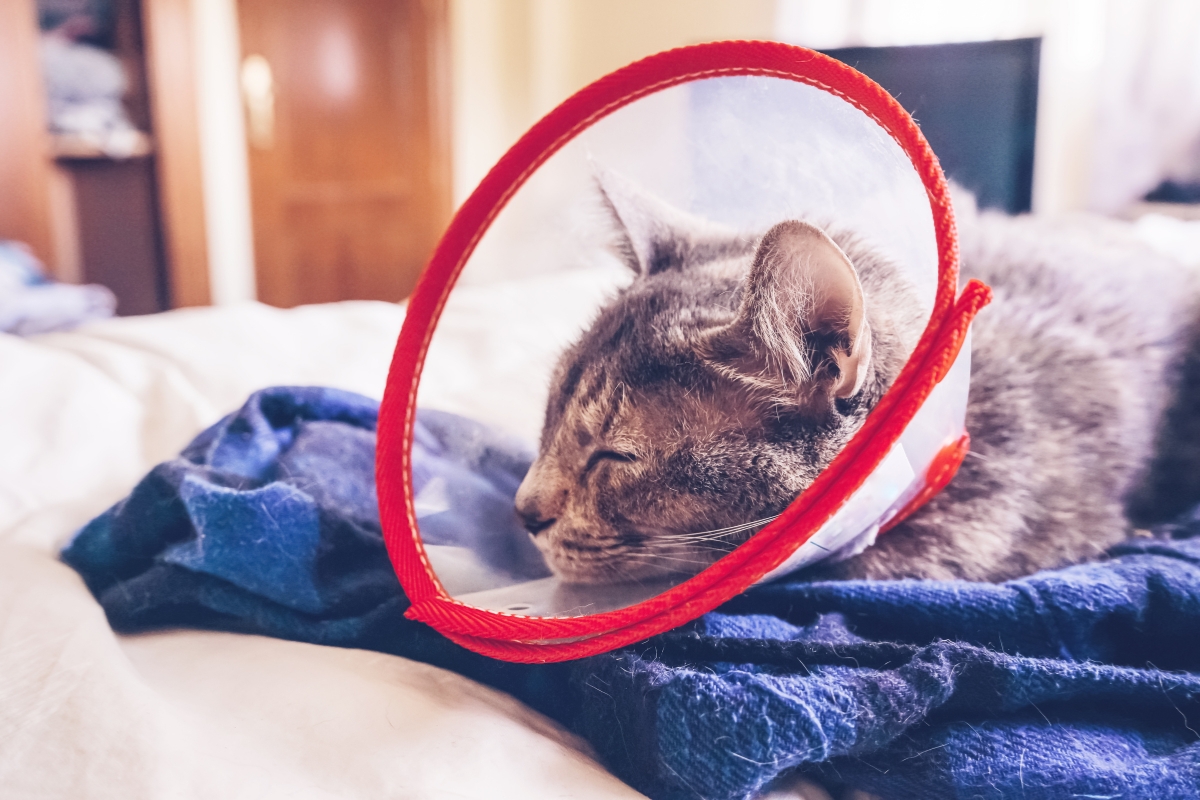
Cats instinctively lick wounds, but this can reopen stitches or introduce bacteria. To prevent this:
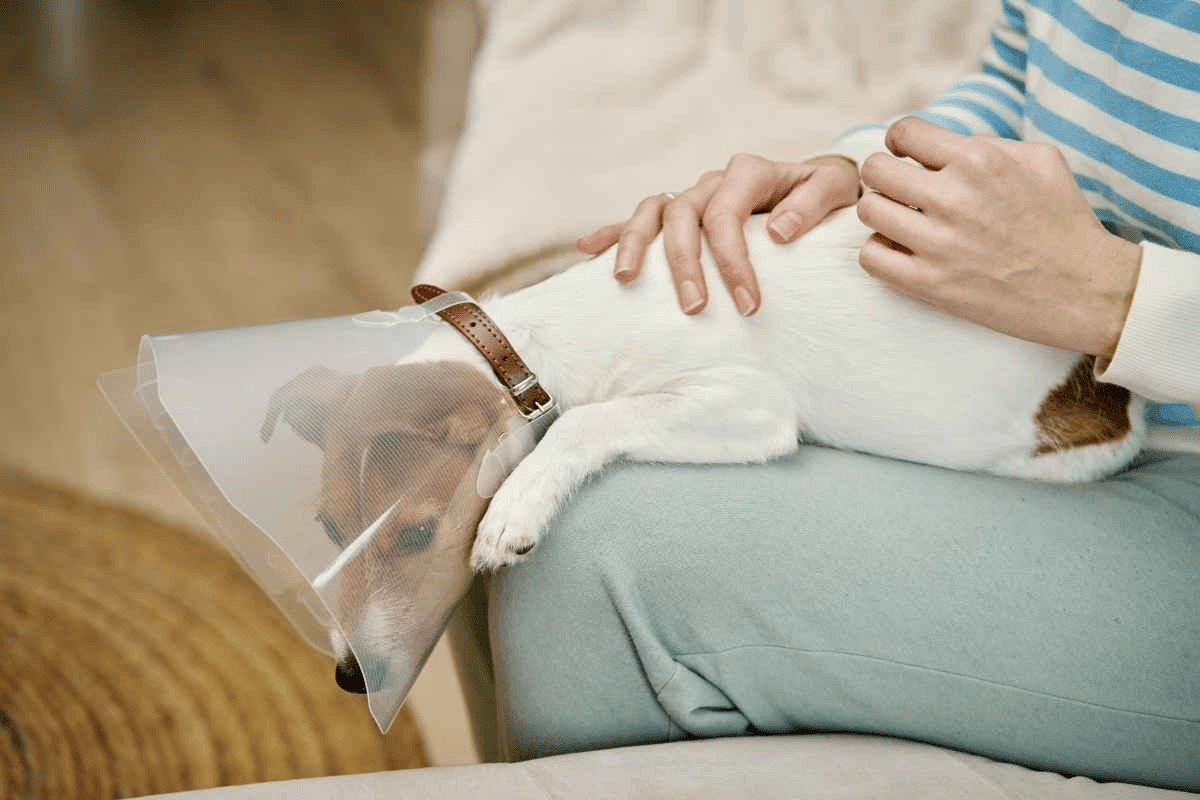
- Use an E-collar (cone) or a soft recovery suit.
- Keep her distracted with gentle petting or a calm environment.
Preventing interference with the incision helps avoid complications and speeds up healing.
Step 7: Schedule Follow-Up Appointments
Even if your cat appears fine, follow-up visits are vital. The vet can check internal healing and remove sutures if necessary.
At Best Care Pet Hospital, your cat will receive compassionate, professional post-surgery care. Their experienced team offers expert monitoring for pet surgery in Sioux Falls, ensuring each cat heals comfortably and safely under attentive supervision.
Step 8: Show Patience and Love
Recovery can temporarily change your cat’s mood. She might seem distant or irritable — that’s normal. Give her space, but let her know you’re there through gentle reassurance and calm presence.
Your patience will help her feel secure and recover with less stress.
Frequently Asked Questions
Q1: How long does it take for a cat to recover after spaying?
A: Most cats recover within 10–14 days, though full internal healing may take up to a month.
Q2: Can I bathe my cat after surgery?
A: Avoid bathing for at least 10 days to prevent infection.
Q3: What if my cat refuses to eat after 24 hours?
A: Contact your vet — prolonged loss of appetite could indicate pain or nausea.
Q4: When can my cat resume normal play?
A: Usually, after two weeks, once the vet confirms complete healing.
Q5: Is excessive sleeping normal?
A: Yes — rest aids recovery, but if lethargy lasts beyond 48 hours, consult your vet.