Thinking about your furry friend going through surgery can be nerve-wracking. Whether it’s just a routine spay/neuter or something major surgery, you should rest assured that most veterinary surgeries are done with the best care to ensure a smooth recovery for your pet. Best Care Pet Hospital in Sioux Falls strives to make sure all pet owners are informed and supported throughout the entire process. Understanding what happens during common veterinary surgeries can ease your mind and give you confidence in your pet.
Now, let’s look at common surgeries and what you should know to help a pet through an experience in the operating room.
Types of Common Veterinary Surgeries
When your pet needs surgery, it is vital to understand the procedure. The following are some of the most common surgeries performed at veterinary hospitals:
1. Spaying/Neutering
Why it’s done: These are the most common surgeries for pets, particularly young animals. Spaying and neutering help control the pet population and prevent certain health conditions, such as uterine infections and prostate problems.
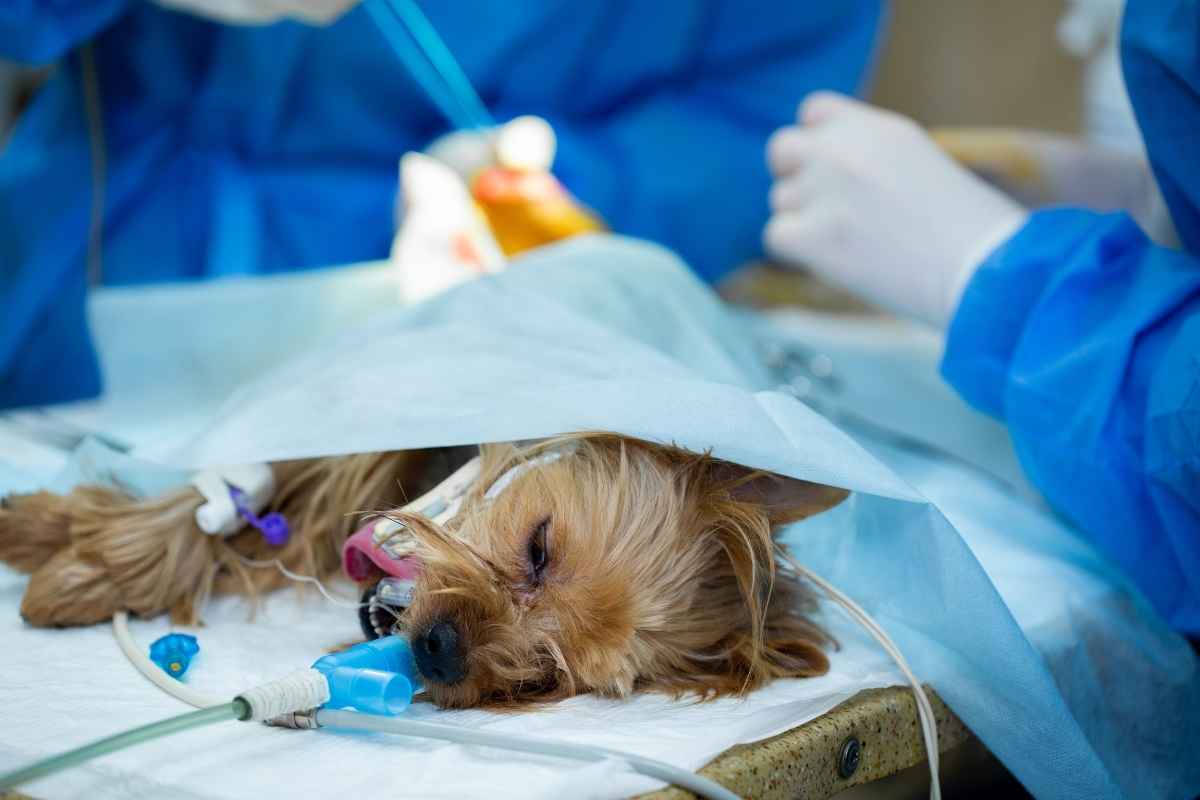
What to Expect: The procedure is relatively quick, averaging about 30 minutes to an hour. Your pet will be under general anesthesia, and the recovery process usually takes about 10-14 days.
2. Dental Surgeries
Why it’s done: Dental disease is common in pets, especially as they get older. Dental surgery can range from cleaning and scaling to tooth extractions and is required for diagnosing and treating oral health issues that may lead to more serious health problems.
What to expect: Sedation or anesthesia will be used for pets. Dental surgery usually involves a few days of recovery time, with soft foods recommended to make eating easier.
3. Soft Tissue Surgeries
Why it’s done: This is a broad category of surgeries, including tumor removals and the removal of a bladder stone. These operations can treat disorders involving organs or soft tissue.
What to expect: Recovery time will depend on the procedure. Aftercare may include monitoring for infection and keeping your pet comfortable while they heal.
Post-Surgery Care: Helping Your Pet Recover Comfortably
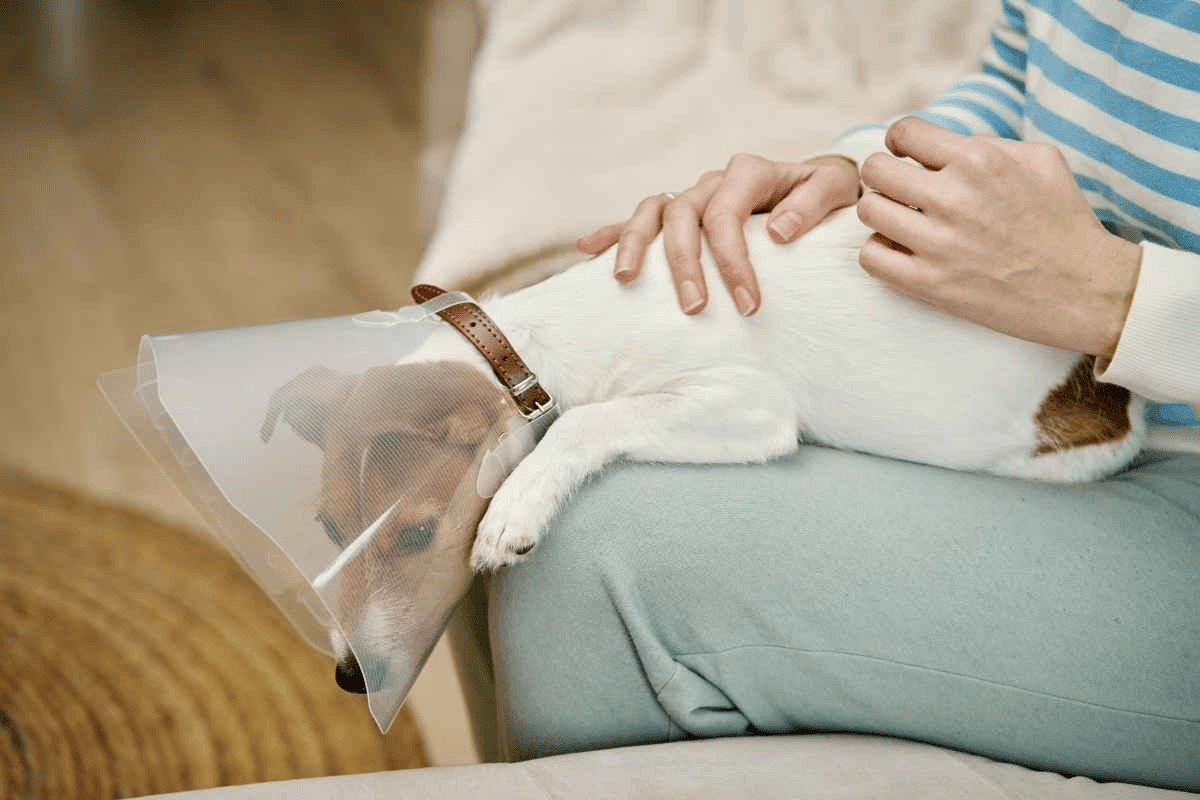
As a pet owner, your participation is also crucial during this period to ensure a smooth post-surgery recovery. Here is how to make your pet feel comfortable:
1. Limit Activity
Why it matters: During the winter months in Sioux Falls, your pet may naturally slow down, but during summer’s warmer temperatures, they may want to be more active. Getting sufficient rest is essential to your pet’s healing. No jumping, running, or roughhousing for 10 to 14 days after surgery.
What to do: Keep a peaceful area for your pet to rest, and avoid long walks or strenuous exercise.
2. Follow-Up Visits
Why they’re essential: Regular check-ups are necessary to ensure the healing process stays on track.
What to do: Note the follow-up visits and ensure your pet receives stitch removal and any other necessary care as instructed by the vet.
3. Diet and Hydration
Why it matters: Maintaining a healthy diet, including hydration and proper nutrition, can help with the recovery process. During Sioux Falls’ cold months, your pet may not be as active, so adjusting their food intake to match their energy needs is essential.
What to do: Provide soft foods for pets undergoing dental surgery and monitor their food consumption. Make sure that their water is fresh and that they are not fed too much food at once.
4. Watch for Red Flags
What to watch for: Monitor your dog for signs of infection, such as swelling, excessive redness, or unusual discharge at the incision site. If you notice these signs on your pets, contact your veterinarian right away.
Reassurance and Expert Care for Your Pet’s Surgery
While surgery might sound frightening, knowing what to expect can help ease your mind. Whether it’s a simple spay or a more involved surgical procedure, rest assured that your pet’s health is our top priority. With proper care and attention, your pet will be back to normal in no time.
We understand the level of stress and concern about your pet’s need for surgery. If you are looking for a veterinarian near you for a pet that requires surgery, or if you have any further questions about these procedures, contact us to schedule an appointment at Best Care Pet Hospital. Our staff at the Sioux Falls clinic will gladly explain the surgery and recovery process, reassuringly, and advise you on how to manage your pet’s comfort.
FAQs
Q1. How long will it take for my pet to recover after surgery?
Ans. Recovery time depends on the type of surgery performed. But generally, 10 to 14 days are required for recovery. Some surgeries may require a longer recovery time. For example, some surgeries may require more extended recovery periods.
Q2. Can I leave my pet alone after surgery?
Ans. It is best to keep your pet in a quiet, controlled area so your pet can rest. However, if they have undergone major surgery, it may be best to stay home with them or hire a pet sitter.
Q3. What should I do if my pet is in pain after surgery?
Ans. If you think your pet may be experiencing pain, contact your veterinarian. We can offer you pain relief strategies if you notice any discomfort.
Q4. What kind of food should I feed my pet after surgery?
Ans. After a surgery, you may need to provide your pet with softer foods to help with easier consumption. Refer to your pet’s dietary instructions provided by the veterinarian.
Q5. Are there any activities my pet should avoid post-surgery?
Ans. Yes, avoid strenuous exercise, jumping, or running for 10 to 14 days after surgery. Keep your pet calm and on short walks until completely recovered.