Pets are beloved members of our families, and just like humans, their dental health plays a critical role in their overall well-being. Unfortunately, dental problems in pets are common but often overlooked. Many pet owners may not realize that regular oral care can prevent painful and potentially serious health issues. Understanding common dental problems, their causes, and effective prevention strategies is essential for keeping pets happy and healthy.
Common Dental Problems in Pets
- Periodontal Disease
Periodontal disease is one of the most frequent dental issues in dogs and cats. It occurs when plaque and tartar build up around the teeth, leading to gum inflammation and infection. If left untreated, it can cause tooth loss and even affect internal organs such as the heart and kidneys. - Tooth Decay
While tooth decay is less common in pets than in humans, it still occurs, especially in pets that consume a diet high in soft or sugary foods. Decayed teeth can be painful and may require extraction. - Gingivitis
Gingivitis is the early stage of periodontal disease. It is characterized by red, swollen gums that may bleed when touched. Regular oral care and early detection can prevent gingivitis from progressing into more severe conditions. - Fractured Teeth
Pets, particularly dogs, are prone to fractured teeth from chewing on hard objects like bones, rocks, or toys. Fractured teeth can lead to infections and abscesses if not treated promptly. - Oral Tumors
Oral tumors, although less common, can appear in the mouths of older pets. They can be benign or malignant and may affect the pet’s ability to eat comfortably. Regular check-ups can help detect these issues early.
Signs of Dental Problems in Pets
Recognizing dental problems early can save pets from pain and more severe health complications. Some common signs include:
- Bad breath (halitosis)
- Difficulty eating or chewing
- Excessive drooling
- Pawing at the mouth or face
- Red or swollen gums
- Loose or missing teeth
If any of these signs appear, it is essential to consult a veterinarian promptly.
Preventing Dental Problems in Pets
Prevention is always better than cure, and oral health is no exception. Here are some practical strategies for maintaining your pet’s dental health:
- Regular Brushing
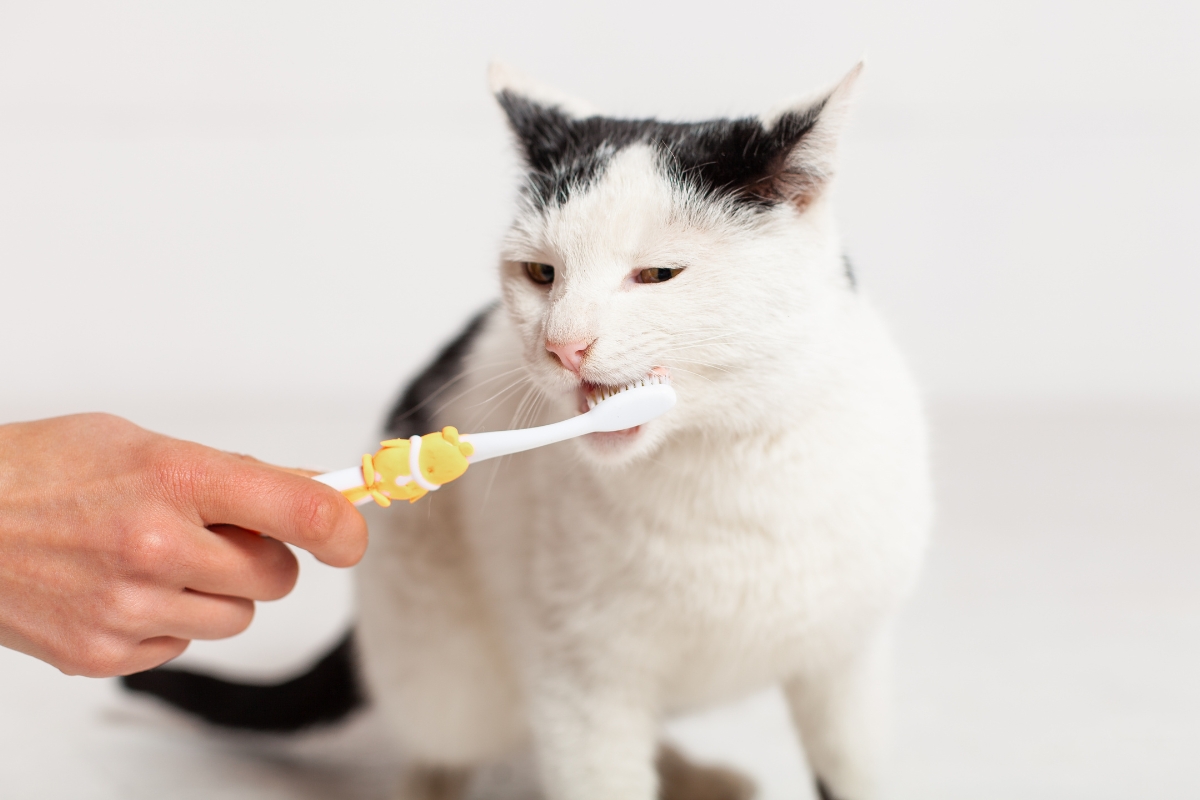
Brushing your pet’s teeth regularly is the most effective way to prevent plaque and tartar buildup. Special pet toothbrushes and toothpaste designed for animals should be used, as human toothpaste can be harmful. - Dental Chews and Toys
Dental chews and toys help reduce plaque accumulation and keep teeth strong. Look for products approved by veterinary associations for safety and effectiveness. - Healthy Diet
A balanced diet contributes to oral health. Some pet foods are formulated to minimize plaque and tartar, supporting strong teeth and gums. - Routine Veterinary Check-Ups
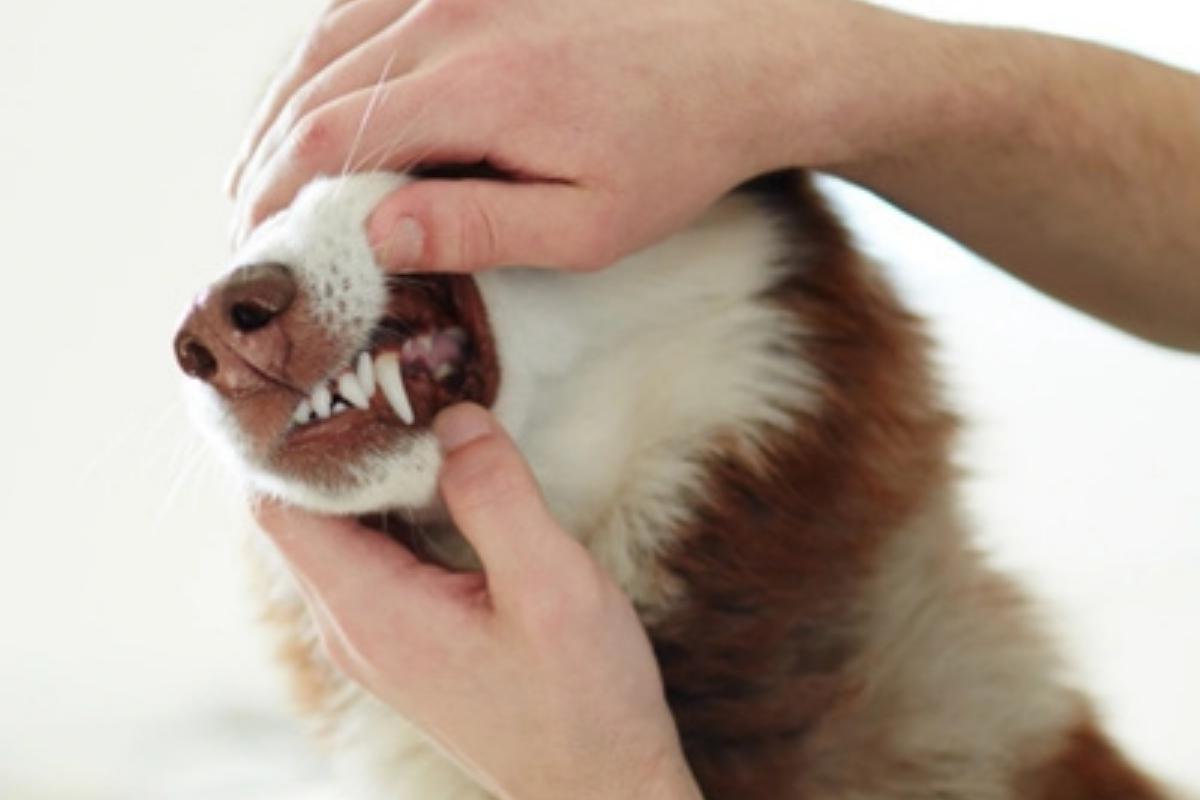
Regular veterinary visits are essential for professional dental cleaning and monitoring oral health. Veterinarians can detect early signs of dental problems and recommend appropriate treatments. - Avoid Hard Objects
Prevent pets from chewing on extremely hard objects that can fracture their teeth. Stick to safe chew toys and treats recommended by professionals.
When Professional Care is Needed
Sometimes, home care alone is insufficient, especially in pets already showing signs of dental disease. Professional dental care can include:
- Cleaning under anesthesia to remove tartar and plaque
- Tooth extraction for severely damaged teeth
- Treatment for infections and oral tumors
For residents in Sioux Falls, seeking services like pet dentistry Sioux Falls ensures pets receive specialized dental care from trained professionals.
The Role of Professional Care
While home care is essential, professional intervention ensures comprehensive dental health. Facilities like Best Care Pet Hospital provide expert examinations, preventive treatments, and professional cleanings to maintain your pet’s oral well-being. These services are especially important for pets prone to dental issues or older animals with preexisting conditions.
Dental problems in pets are common but preventable. By understanding the risks, recognizing warning signs, and implementing preventive strategies, pet owners can significantly improve their pets’ quality of life. Regular brushing, healthy diets, safe chew toys, and routine veterinary care are all key to maintaining strong teeth and healthy gums. For pets requiring advanced dental services, professional care ensures they receive the best treatment possible.
Taking these steps not only prevents discomfort and disease but also strengthens the bond between you and your pet. After all, a happy, healthy smile is something every pet deserves.
FAQs
Q1. How often should I brush my pet’s teeth?
Ideally, pet teeth should be brushed daily. If that’s not possible, aim for at least 2-3 times a week to help reduce plaque buildup.
Q2. Are dental chews effective?
Yes, dental chews can help reduce plaque and tartar but should be used alongside regular brushing. They are a supplement, not a replacement for proper oral care.
Q3. Can poor dental health affect other organs?
Absolutely. Bacteria from dental infections can enter the bloodstream, potentially affecting the heart, kidneys, and liver, which makes dental care crucial for overall health.
Q4. When should I schedule my pet’s first dental check-up?
Pets should have their first dental check-up by the age of one year, though puppies and kittens can benefit from an initial oral exam earlier. Regular follow-ups should continue throughout their life.
Q5. What foods should I avoid feeding my pet?
Avoid giving pets sugary treats or sticky human foods, as these can increase the risk of cavities and gum disease. Stick to a balanced, vet-recommended diet.
Q6. Are there signs my pet needs immediate dental care?
Yes, signs like severe mouth pain, sudden tooth loss, bleeding, swelling, or difficulty eating indicate the need for urgent veterinary attention.