When pets can’t explain what they’re feeling, veterinarians rely on advanced tools to uncover hidden health issues. Diagnostic imaging plays a crucial role in modern veterinary medicine, offering a non-invasive way to see inside your pet’s body and detect problems early. From identifying broken bones to diagnosing internal diseases, imaging technologies help ensure timely and accurate treatment.
Understanding how these tools work and why they matter can empower pet owners to make informed decisions about their companion’s health.
What Is Diagnostic Imaging in Veterinary Care?
Diagnostic imaging refers to a group of techniques that allow veterinarians to visualize internal structures without surgery. These methods provide detailed images of bones, organs, tissues, and even blood flow, helping detect abnormalities that may not be visible during a physical exam.
Common types of imaging include:
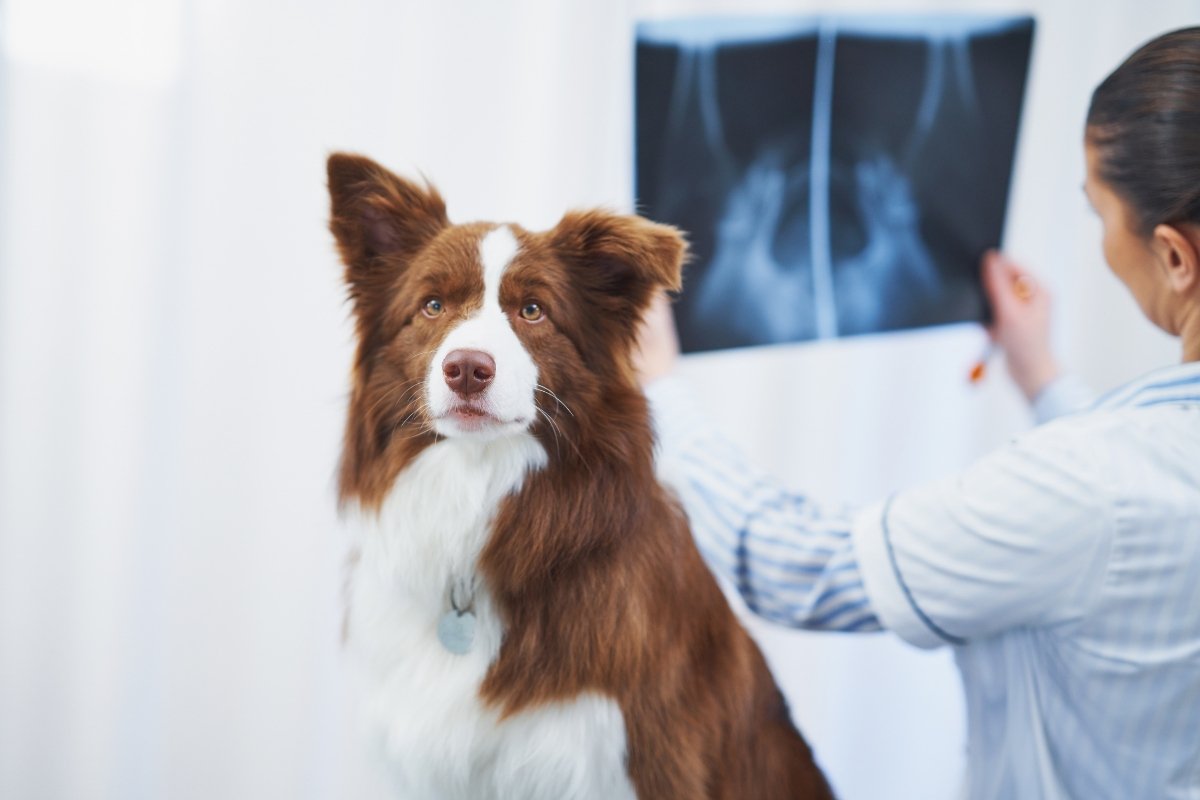
- X-rays (Radiography): Ideal for evaluating bones, detecting fractures, and spotting certain tumors.
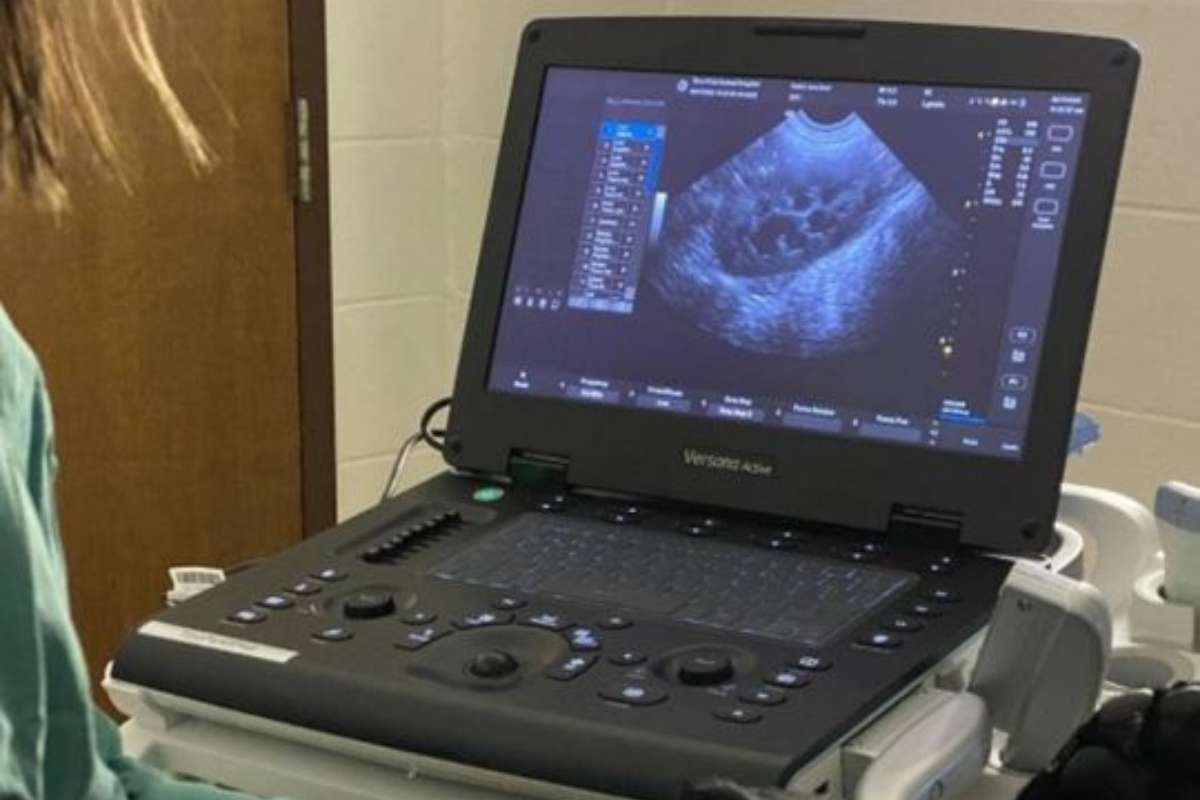
- Ultrasound: Uses sound waves to examine soft tissues, organs, and fluid buildup.
- CT Scans (Computed Tomography): Offers detailed cross-sectional images for complex conditions.
- MRI (Magnetic Resonance Imaging): Provides high-resolution images of soft tissues like the brain and spinal cord.
Each method serves a unique purpose, and veterinarians choose the most appropriate option based on your pet’s symptoms and condition.
Why Early Detection Matters
Early diagnosis can significantly improve treatment outcomes. Many health issues, such as tumors, organ disease, or internal injuries, develop gradually and may not show obvious symptoms in the early stages.
Diagnostic imaging helps:
- Detect diseases before symptoms worsen
- Monitor ongoing conditions
- Guide surgical planning
- Evaluate treatment effectiveness
For example, a pet with mild lethargy could have anything from digestive issues to a more serious internal condition. Imaging allows veterinarians to pinpoint the cause quickly and accurately.
Common Conditions Diagnosed Through Imaging
Diagnostic imaging is used to identify a wide range of health concerns in pets, including:
1. Bone and Joint Problems
X-rays are commonly used to diagnose fractures, arthritis, and joint abnormalities. They are especially helpful for pets experiencing limping or mobility issues.
2. Internal Organ Diseases
Ultrasound and CT scans can reveal problems in the liver, kidneys, heart, and lungs. These tools are essential for detecting infections, tumors, or organ enlargement.
3. Gastrointestinal Issues
If your pet is vomiting or not eating, imaging can help identify blockages, foreign objects, or inflammation in the digestive tract.
4. Respiratory Conditions
Chest X-rays can detect pneumonia, fluid in the lungs, or heart-related issues affecting breathing.
5. Neurological Disorders
MRI scans are particularly useful for diagnosing brain tumors, spinal injuries, or nerve-related conditions.
How Imaging Enhances Treatment Planning
Once a diagnosis is made, imaging continues to play an important role in treatment. It helps veterinarians:
- Determine the severity of a condition
- Plan surgical procedures with precision
- Track recovery progress over time
In many cases, imaging reduces the need for exploratory surgery, minimizing stress and risk for your pet.
What to Expect During the Process
Most diagnostic imaging procedures are safe and minimally invasive. Here’s what pet owners can typically expect:
- Preparation: Some procedures may require fasting or mild sedation.
- Procedure Time: X-rays are quick, while MRIs or CT scans may take longer.
- Comfort Measures: Veterinary teams ensure pets are comfortable and stress-free throughout the process.
Your veterinarian will explain each step and provide guidance based on your pet’s specific needs.
The Role of Pet Diagnostic Care in Preventive Health
Beyond diagnosing illnesses, pet diagnostic care plays a vital role in preventive medicine. Routine imaging can help detect early signs of disease, especially in aging pets or those with chronic conditions.
Preventive imaging supports:
- Early intervention
- Better long-term health outcomes
- Reduced treatment costs over time
By integrating pet diagnostic care into regular veterinary visits, pet owners can stay ahead of potential health issues and ensure their pets live healthier lives.
Access to advanced diagnostic tools is key to delivering precise and timely veterinary care. At Best Care Pet Hospital, pets receive the benefit of advanced imaging technology combined with a dedicated team focused on accurate diagnosis and compassionate treatment.
If your pet is showing unusual symptoms or needs a routine check-up, don’t wait for the condition to worsen. Contact us at Best Care Pet Hospital to ensure your pet receives the attention and diagnostic support they deserve.
Diagnostic imaging has transformed the way veterinarians diagnose and treat health problems in pets. By providing clear insights into internal conditions, these tools enable early detection, precise treatment, and better overall outcomes.
Whether your pet is experiencing symptoms or simply needs preventive care, imaging plays a vital role in maintaining their health and well-being.
FAQs:
Q1. Is diagnostic imaging safe for pets?
Ans. Yes, most imaging techniques like X-rays and ultrasounds are safe. When needed, sedation is carefully monitored to ensure your pet’s comfort and safety.
Q2. How long does it take to get results?
Ans. Some results, like X-rays, may be available immediately, while others (like MRI scans) may take longer for detailed analysis.
Q3. Will my pet need anesthesia?
Ans. Not always. Simple procedures may not require sedation, but more advanced imaging like MRIs may need anesthesia to keep your pet still.
Q4. How often should pets undergo diagnostic imaging?
Ans. It depends on your pet’s age, health condition, and symptoms. Your veterinarian will recommend imaging as needed.
Q5. Can imaging detect all health problems?
Ans. While highly effective, imaging is often used alongside other diagnostic tools like blood tests for a complete evaluation.
Q6. Is imaging expensive?
Ans. Costs vary depending on the type of imaging. However, early diagnosis can help avoid more costly treatments later.