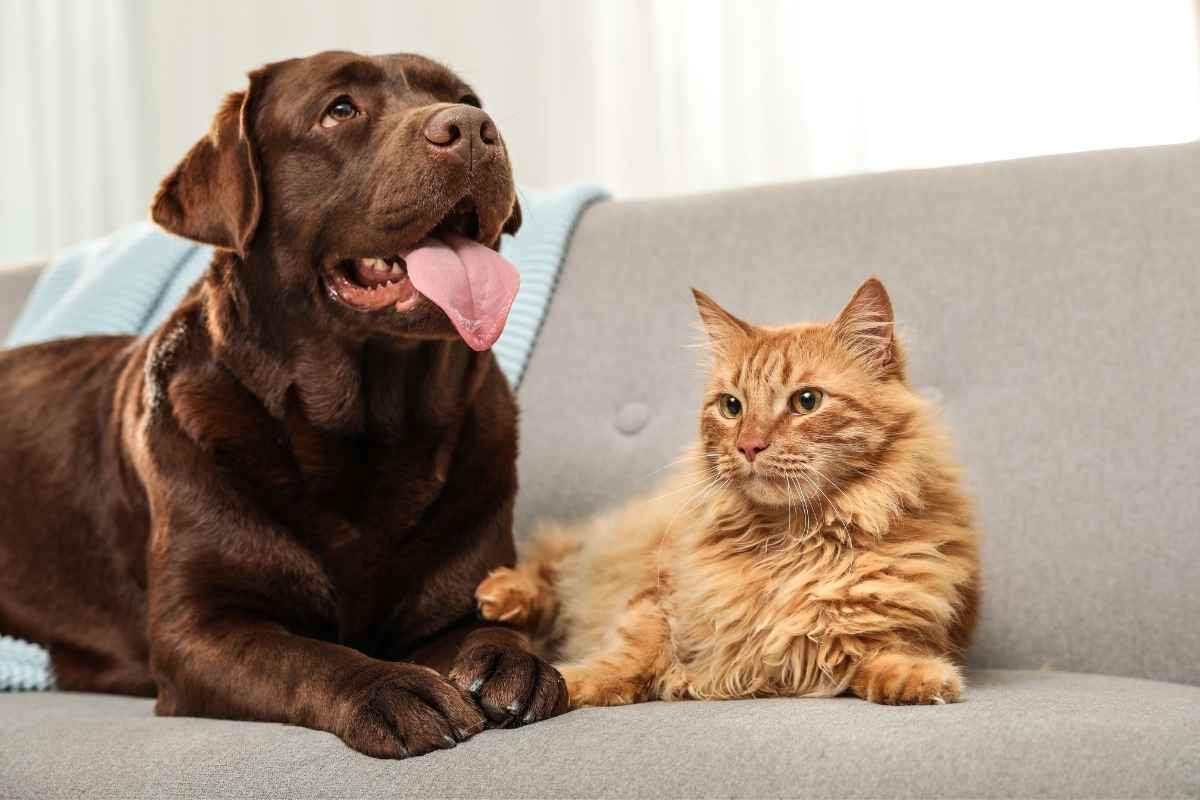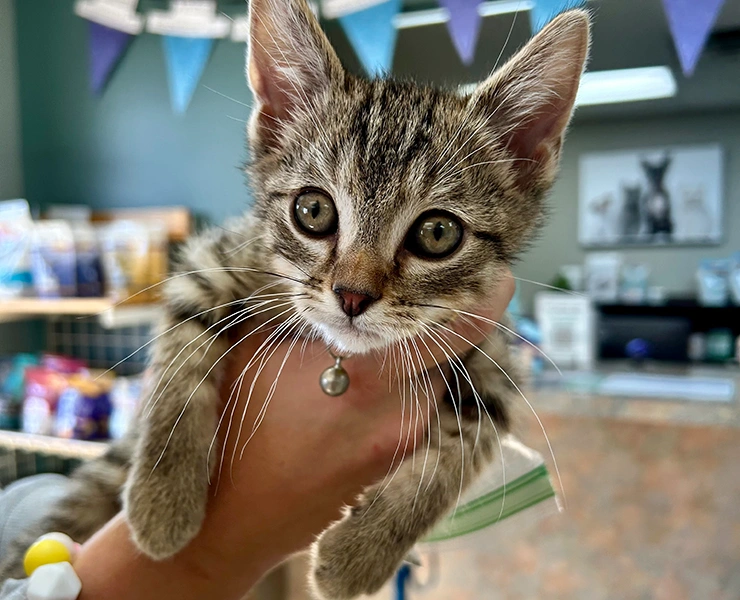

Unexpected health concerns can be stressful for both pets and their owners. Whether your dog has suddenly become ill or your cat has suffered an injury, visiting the veterinarian on short notice can create anxiety and uncertainty.
While you may feel worried about your pet’s condition, staying calm and taking a few simple steps can make a big difference in how your pet handles the experience. Pets are incredibly sensitive to their owners’ emotions, and your calm demeanor can help reassure them during a difficult situation.
At Best Care Pet Hospital, we understand that urgent veterinary visits can be overwhelming. Fortunately, there are several ways you can help keep your furry companion comfortable and relaxed before, during, and after their appointment.
Stay Calm Yourself
Your pet looks to you for reassurance. If you are visibly anxious, rushing around, or speaking loudly, your pet may become more nervous.
Take a few deep breaths and focus on staying composed. Speak to your pet in a gentle voice and move calmly, even if you’re worried.
Remember:
- Avoid yelling or panicking.
- Use a soothing tone of voice.
- Reassure your pet with gentle praise.
- Move slowly and carefully.
Your calm behavior can help your pet feel safer throughout the visit.
Use a Secure Carrier or Leash
Safety and comfort should always come first when transporting your pet.
For cats:
- Use a sturdy carrier with good ventilation.
- Place a familiar blanket or towel inside.
- Cover part of the carrier with a light blanket if your cat prefers a darker, quieter environment.
For dogs:
- Use a secure leash and properly fitted harness.
- Bring a favorite blanket if possible.
- For smaller dogs, consider a carrier if they feel more secure in enclosed spaces.
A safe and familiar environment can help reduce stress during travel.
Bring Familiar Comfort Items
Familiar scents and objects can have a calming effect on pets.
Consider bringing:
- A favorite blanket
- A well-loved toy
- Treats approved by your veterinarian
- An item that smells like home
- A favorite bed for larger dogs if practical
These familiar items can provide comfort and help distract your pet from unfamiliar surroundings.
Keep Car Rides Quiet and Comfortable
The journey to the veterinary clinic can sometimes be the most stressful part of the experience.
To help your pet stay calm:
- Keep music at a low volume.
- Avoid sudden braking or sharp turns.
- Maintain a comfortable temperature inside the vehicle.
- Speak softly to your pet throughout the drive.
- Secure carriers and seat restraints to prevent unnecessary movement.
A smooth and quiet ride can help reduce anxiety before you even arrive.
Avoid Crowding or Overstimulating Your Pet
When pets are feeling unwell or uncomfortable, they may become more sensitive to noise, touch, or unfamiliar people.
Try to:
- Limit the number of people accompanying your pet.
- Keep children calm and quiet if they are present.
- Give your pet space if they seem anxious.
- Avoid forcing interactions with other animals.
Allowing your pet to remain in a quiet, controlled environment can help them feel more secure.
Watch Your Body Language
Pets are excellent at reading body language.
If you’re tense, pacing, or repeatedly checking on your pet in an anxious manner, they may pick up on your stress.
Instead:
- Sit calmly near your pet.
- Offer gentle petting if they enjoy it.
- Avoid excessive fussing.
- Maintain a relaxed posture.
Sometimes simply being present and calm is the most reassuring thing you can do.
Bring Important Medical Information
Being prepared can help reduce your own stress and make the visit more efficient.
Bring:
- A list of current medications
- Vaccination records if available
- Information about recent illnesses
- Notes about symptoms
- Photos or videos of concerning behaviors
Having these details readily available allows the veterinary team to focus on your pet’s needs as quickly as possible.
Use Positive Reinforcement
Praise and rewards can help create a more positive experience.
If your veterinarian approves, reward your pet with:
- Small treats
- Gentle praise
- Favorite toys
- Calm affection
Avoid scolding or forcing your pet to cooperate if they are frightened.
Positive reinforcement can help your pet associate veterinary visits with comfort and reassurance.
Understand That Some Anxiety Is Normal
Even pets who are usually calm may become nervous during an unexpected veterinary visit.
Signs of stress can include:
- Trembling
- Panting
- Hiding
- Excessive meowing or barking
- Restlessness
- Drooling
- Refusing treats
These behaviors don’t necessarily mean your pet is in severe distress; they often reflect anxiety caused by unfamiliar situations.
Give your pet time to adjust and trust the veterinary team to guide you through the process.
Prepare for Future Visits
While not every illness or injury can be predicted, preparing your pet for veterinary visits throughout their life can help reduce anxiety over time.
You can help by:
- Scheduling regular wellness exams
- Practicing short car rides
- Allowing your pet to explore their carrier at home
- Rewarding calm behavior
- Creating positive associations with travel and handling
These habits can make future visits much easier for both you and your pet.
Why Staying Calm Matters
Your pet depends on you for comfort and reassurance, especially when they don’t feel well.
Simple actions such as speaking softly, bringing familiar items, and providing a secure environment can significantly reduce anxiety and make the experience less stressful. During times when your pet requires urgent pet care, remaining calm and prepared can help ensure they receive prompt attention while feeling as safe and comfortable as possible.
Compassionate Care When Your Pet Needs It Most
Unexpected illnesses and injuries can happen at any time, but you don’t have to face them alone.
At Best Care Pet Hospital, we are committed to providing compassionate veterinary care for pets in Sioux Falls, Harrisburg, Brandon, Tea, Brookings, and the surrounding communities.
If your dog or cat is experiencing symptoms or needs prompt veterinary attention, call us at (605) 334-2412 to speak with our team. We’re here to answer your questions, discuss your pet’s condition, and help your companion receive the care they deserve.
Frequently Asked Questions
Q1. How can I keep my pet calm during an urgent veterinary visit?
Ans. You can help your pet stay calm by remaining relaxed yourself, using a secure carrier or leash, bringing familiar comfort items, and speaking in a soothing voice. Keeping the environment as quiet and predictable as possible can also reduce stress.
Q2. Should I bring my pet’s favorite toy or blanket to the vet?
Ans. Yes. Familiar items such as blankets, toys, or bedding can help comfort your pet by providing familiar scents and reducing anxiety during the visit.
Q3. Why does my pet become anxious during veterinary visits?
Ans. Pets may feel anxious because of unfamiliar sights, sounds, smells, or previous experiences. Being sick or uncomfortable can also make them more sensitive to stress.
Q4. Is it okay to give my pet treats during a veterinary visit?
Ans. In many cases, yes. Treats and praise can help create positive associations and reward calm behavior. However, always check with your veterinarian first, especially if your pet is experiencing digestive issues or requires certain medical procedures.
Q5. What should I bring to an urgent veterinary appointment?
Ans. It’s helpful to bring your pet’s medical records, vaccination history, a list of medications, and notes about the symptoms you’ve observed. Photos or videos of unusual behaviors can also provide valuable information for the veterinary team.
Q6. How can I prepare my pet for future veterinary visits?
Ans. Regular wellness exams, short practice car rides, positive reinforcement, and making carriers a familiar part of your home can help your pet become more comfortable with veterinary visits over time.