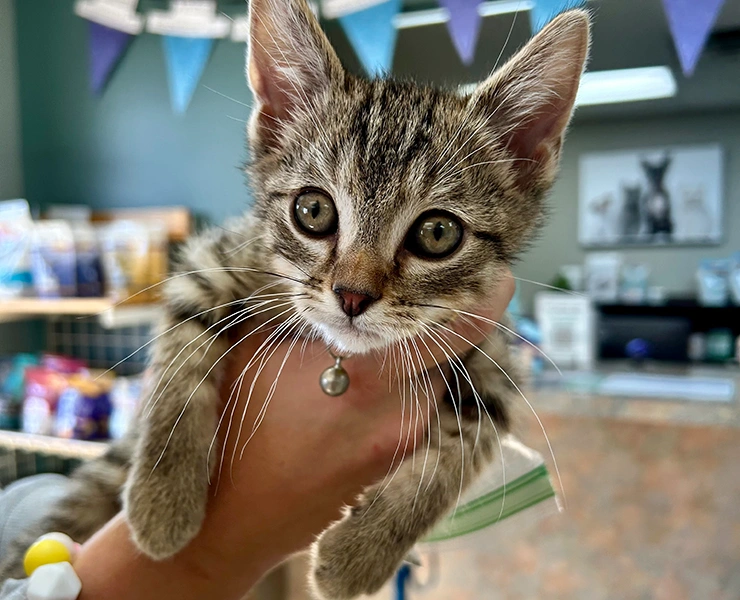

Welcoming a new puppy or kitten into your home is an exciting experience filled with joy, cuddles, and sometimes a little chaos. These early weeks and months are critical for their growth, development, and overall well-being. Proper puppy and kitten care sets the foundation for a happy, healthy life and helps prevent common health and behavioral problems later on.
Caring for young pets requires attention to their physical health, emotional well-being, and social development. Puppies and kittens are curious, energetic, and sometimes mischievous, which makes creating a safe, nurturing environment crucial. By following the right guidance, pet owners can ensure their furry companions thrive.
In this guide, we share the top five essential tips for puppy and kitten care, along with practical advice and examples to help you provide the best care possible.
1. Make Routine Veterinary Visits a Priority
Your puppy or kitten’s health begins with routine veterinary care. Early and consistent vet visits help detect potential health issues before they become serious.
- Schedule wellness exams: Regular checkups allow your veterinarian to track your pet’s growth, monitor vital signs, and recommend preventive measures.
- Stay up to date on vaccinations: Puppies and kittens need core vaccines to protect against diseases like parvovirus, distemper, and feline leukemia.
- Monitor health indicators: Watch for changes in appetite, behavior, or energy levels, which can signal health concerns. Seeking timely advice from a veterinarian can help catch issues before they escalate.
Routine veterinary care is a key part of maintaining excellent puppy and kitten care.
2. Focus on Balanced, Age-Appropriate Nutrition
Nutrition plays a vital role in growth, immune system development, and overall health. oung puppies and kittens need specially formulated meals that support their growth and overall health.
- Feed age-appropriate food: Choose high-quality puppy or kitten formulas rich in essential nutrients. Consult your vet for brand recommendations and portion sizes.
- Establish a feeding routine: Consistent meal times support healthy digestion and prevent overeating or weight issues.
- Avoid harmful foods: Some human foods, such as chocolate, onions, and grapes, can be toxic to pets. Always stick to pet-safe treats and meals.
Providing balanced meals is essential for comprehensive puppy and kitten care and ensures your pet grows strong and healthy.
3. Ensure a Safe and Comfortable Living Environment
A secure, clean, and stimulating home environment is essential for young pets. Puppies and kittens explore everything around them, so safety is key.
- Puppy-proof and kitten-proof your home: Remove small objects, toxic plants, or cords that could be chewed or swallowed.
- Provide cozy resting spaces: A comfortable bed or crate gives your pet a sense of security and a quiet place to rest.
- Offer mental and physical stimulation: Toys, scratching posts, and interactive games encourage healthy play and development.
Creating a safe environment is another fundamental aspect of proper puppy and kitten care, helping your pet feel secure and comfortable.
4. Encourage Socialization and Gentle Training
Early socialization and gentle training are critical to raising well-adjusted pets. Positive experiences during the first months shape behavior and temperament.
- Introduce new experiences gradually: Expose your puppy or kitten to different people, pets, and environments to build confidence.
- Introduce your pet gradually to new experiences: Reinforce desirable behavior with praise, treats, or interactive play.
- Address behavioral issues early: Start with basic commands, litter box training, or crate training, and consult professionals if needed.
Well-socialized pets are happier, less anxious, and better equipped to adapt to new situations throughout their lives. This is an important part of puppy and kitten care that often gets overlooked.
5. Keep Up with Grooming and Hygiene
Routine grooming is more than just keeping your pet looking clean—it contributes to overall health and comfort.
- Regular brushing and bathing: Brushing prevents matting, reduces shedding, and stimulates the skin. Regular brushing, cleaning, and occasional baths help keep your pet healthy, with bathing schedules tailored to their breed and coat needs.
- Dental care: Introduce brushing or dental chews early to prevent plaque buildup and oral disease.
- Monitor for skin issues: Check for fleas, ticks, or irritation, and seek veterinary advice if needed.
Consistent grooming routines strengthen your bond with your pet and support overall puppy and kitten care.
Caring for puppies and kittens requires attention, patience, and a proactive approach. By focusing on regular veterinary care, proper nutrition, a safe environment, early socialization, and grooming, pet owners can ensure their young companions grow into healthy, happy adults. Implementing these essential tips for puppy and kitten care will give your pet the best start in life.
FAQs
Q1. How often should I take my puppy/kitten to the vet?
Ans. Puppies and kittens should visit the vet every 3–4 weeks until they are fully vaccinated, then at least. At a minimum, schedule a comprehensive health checkup with your veterinarian every 12 months.
Q2. What vaccinations are essential for puppies and kittens?
Ans. Core vaccines include distemper, parvovirus, rabies, and feline leukemia, along with additional vaccines based on your pet’s lifestyle.
Q3. How do I properly socialize my new puppy or kitten?
Ans. Gradually introduce them to new people, pets, and environments while using positive reinforcement to create positive associations.
Q4. What are the best nutrition tips for young pets?
Ans. Feed age-appropriate, high-quality food, maintain consistent meal times, and avoid harmful human foods or table scraps.
Q5. How can I prevent common behavior problems?
Ans. Early training, socialization, and providing mental stimulation help prevent issues like chewing, aggression, or litter box problems.
Q6. How do I know if my puppy or kitten is healthy?
Ans. Healthy pets are active, alert, eat and drink normally, have clean eyes and coat, and show normal elimination habits.