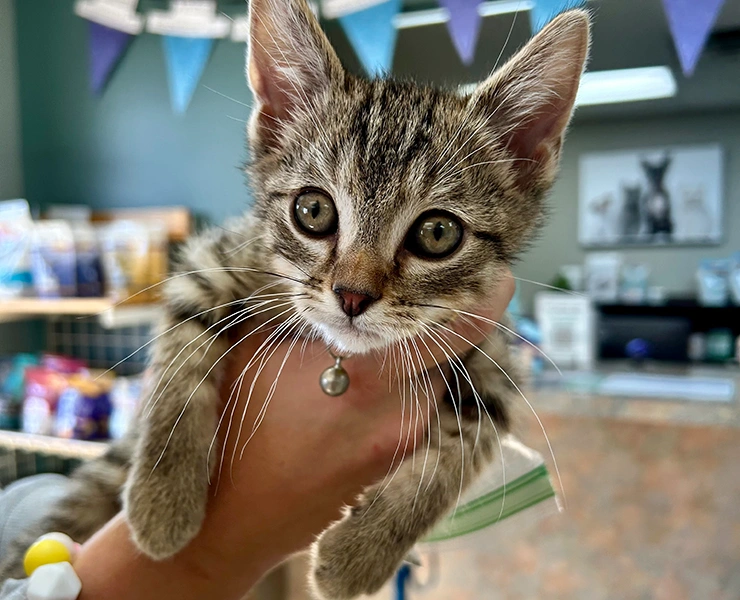

Pets are experts at hiding discomfort, which can make it difficult for even the most attentive owners to notice when something isn’t right. Many animals instinctively mask signs of illness until a condition becomes more advanced. At Best Care Pet Hospital, we understand how concerning it can be to realize your pet may have been unwell without obvious warning signs. Recognizing subtle changes early can make a significant difference in outcomes and overall health. Here’s a comprehensive guide to the subtle symptoms of illness that pet owners should watch for, especially for pet owners in Sioux Falls, SD.
1. Changes in Appetite or Thirst
A slight decrease or increase in appetite or water intake is often overlooked, but it can be one of the earliest signs of illness. Eating less may indicate dental pain, digestive issues, or systemic disease, while increased thirst can point to conditions such as diabetes or kidney disease.
Tracking your pet’s normal eating and drinking habits and seeking timely vet care when changes persist can help identify issues early.
2. Decreased Energy or Behavior Changes
If your normally active pet seems lethargic, withdrawn, or less interested in play, it may signal an underlying health problem. Subtle behavior changes—such as hiding more often or avoiding interaction—are easy to miss but should not be ignored.
Early evaluation and consistent vet care are key to determining whether these changes are temporary or related to illness.
3. Weight Fluctuations
Gradual weight loss or gain can occur without obvious changes in diet. Weight loss may indicate parasites, metabolic disorders, or chronic disease, while weight gain can increase the risk of joint problems and other conditions.
Routine wellness exams and monitoring body condition help ensure your pet maintains a healthy weight and receives appropriate vet care.
4. Changes in Grooming or Coat Condition
A dull coat, excessive shedding, or decreased self-grooming can signal health concerns such as allergies, skin infections, pain, or hormonal imbalances. Cats, in particular, may groom less if they are experiencing discomfort.
These changes are often subtle but should prompt a closer look and professional evaluation.
5. Mild Digestive Upsets
Occasional vomiting or soft stools may seem minor, but repeated or ongoing digestive issues can indicate food sensitivities, infections, or organ-related conditions. Even subtle changes in litter box habits or stool consistency deserve attention.
Addressing these signs early with proper vet care can prevent more serious complications.
6. Subtle Mobility or Posture Changes
Pets may not cry out in pain, but stiffness, reluctance to jump, or changes in posture can indicate joint issues, injuries, or arthritis. These signs often develop gradually and are commonly mistaken for normal aging.
Early intervention improves comfort and mobility and supports long-term quality of life.
Subtle symptoms are often your pet’s only way of signaling that something isn’t right. By paying close attention to small changes and seeking professional guidance, you can help protect your pet’s health and well-being. At Best Care Pet Hospital, our team is committed to providing compassionate, thorough care for pets at every stage of life.
If you’re located in Sioux Falls, SD, and notice subtle changes in your pet’s behavior or health, we encourage you to schedule a consultation with our experienced veterinary team at Best Care Pet Hospital today.
FAQs
Q1. Why do pets hide signs of illness?
Ans. Many animals instinctively hide discomfort as a survival behavior, which is why symptoms can be subtle and easy to miss.
Q2. When should I contact a veterinarian about mild symptoms?
Ans. If symptoms persist for more than a day or two or worsen over time, it’s best to seek vet care promptly.
Q3. Are behavior changes really a sign of illness?
Ans. Yes, changes in behavior or energy levels are often early indicators of pain or underlying health issues.
Q4. How often should my pet have a wellness exam?
Ans. Most pets benefit from at least one annual exam, while seniors or pets with chronic conditions may need more frequent visits.
Q5. Can subtle symptoms indicate serious disease?
Ans. Yes, many serious conditions begin with mild signs. Early detection greatly improves treatment outcomes.
Q6. How can I monitor my pet’s health at home?
Ans. Pay attention to appetite, water intake, energy levels, grooming habits, and bathroom routines, and report changes to your veterinarian.