
That extra fluff on your furry friend might seem adorable, but it could be silently threatening their health. Pet obesity has reached epidemic proportions, affecting over 50% of dogs and cats nationwide. Those extra pounds significantly impact your companion’s quality of life and longevity.
Understanding pet obesity helps you recognize warning signs and take corrective action before serious complications develop. Finding your pet’s ideal weight isn’t about appearance—it’s about ensuring they live their happiest, healthiest life possible. This guide provides practical strategies for assessing your pet’s body condition and achieving optimal weight through evidence-based approaches.
Why Obesity Has Become So Common
Modern pet lifestyles contribute significantly to weight problems. Indoor living, calorie-dense foods, and well-meaning treat-giving create perfect conditions for weight gain.
Contributing factors include:
- Overfeeding: Portion sizes often exceed actual needs
- Insufficient exercise: Busy schedules limit activity time
- Excessive treats: Training rewards and table scraps add hidden calories
- Misunderstanding hunger cues: Begging doesn’t always indicate hunger
- Free-feeding practices: Unlimited food access encourages overeating
Many owners don’t recognize their pets are overweight. Studies show 90% of owners with obese pets believe their companions are normal weight.
Health Consequences of Excess Weight
Carrying extra pounds creates serious health risks that shorten lifespans and reduce quality of life.
Obesity-related conditions:
- Diabetes mellitus requiring lifelong management
- Arthritis and joint deterioration
- Heart disease and respiratory problems
- Increased cancer risks
- Reduced immune function
- Shorter lifespan (up to 2.5 years)
Even modest weight reduction dramatically improves health outcomes and mobility.
Determining Your Pet’s Ideal Weight
The Body Condition Score System
Veterinarians use a standardized scoring system to assess pet body condition objectively. This method proves more reliable than scale numbers alone.
The 9-point scale explained:
- 1-3: Underweight (ribs highly visible, no fat coverage)
- 4-5: Ideal weight (ribs easily felt, visible waist)
- 6-7: Overweight (ribs difficult to feel, waist disappearing)
- 8-9: Obese (ribs buried under fat, no waist definition)
Most pets should score between 4-5 for optimal health.
At-Home Assessment Techniques
You can evaluate your pet’s condition between veterinary visits using simple hands-on methods.
Rib check: Place hands on your pet’s sides. You should feel ribs easily without pressing hard—like knuckles under a thin blanket.
Waist view: Looking from above, your pet should have a visible waist behind the ribs. Cats and dogs should show an hourglass shape.
Abdominal tuck: From the side, the abdomen should tuck upward from the ribcage toward the hind legs.
If these landmarks are absent, your pet likely carries excess weight requiring attention.
Creating an Effective Weight Loss Plan
Calculating Proper Portions
Most pet food labels overestimate feeding amounts. Working with your veterinarian ensures accurate calorie calculations.
Portion control strategies:
Use measuring cups consistently—never estimate portions. Consider your pet’s activity level when determining amounts. Reduce portions gradually to avoid digestive upset.
For pets needing significant weight loss, prescription weight management diets provide complete nutrition with fewer calories.
Exercise Recommendations
Physical activity burns calories while building muscle mass that increases metabolism.
For dogs:
- Start with short walks, gradually increasing duration
- Add swimming for low-impact exercise
- Incorporate play sessions throughout the day
- Consider puzzle toys requiring movement
For cats:
- Use wand toys for active play sessions
- Create vertical climbing spaces
- Hide small food portions encouraging hunting behavior
- Schedule multiple short play periods daily
The caring team at Best Care Pet Hospital can design customized exercise programs appropriate for your pet’s current fitness level and any existing health conditions.
Nutrition Strategies for Weight Management
Choosing the Right Food
Not all pet foods support healthy weight management equally.
Look for these qualities:
- Higher protein content preserving muscle mass
- Lower fat and carbohydrate levels
- Added fiber promoting fullness
- Complete vitamin and mineral profiles
Avoid frequent food switching, which can upset digestion and complicate calorie tracking.
Managing Treats Effectively
Treats often sabotage weight loss efforts through hidden calories.
Healthier alternatives:
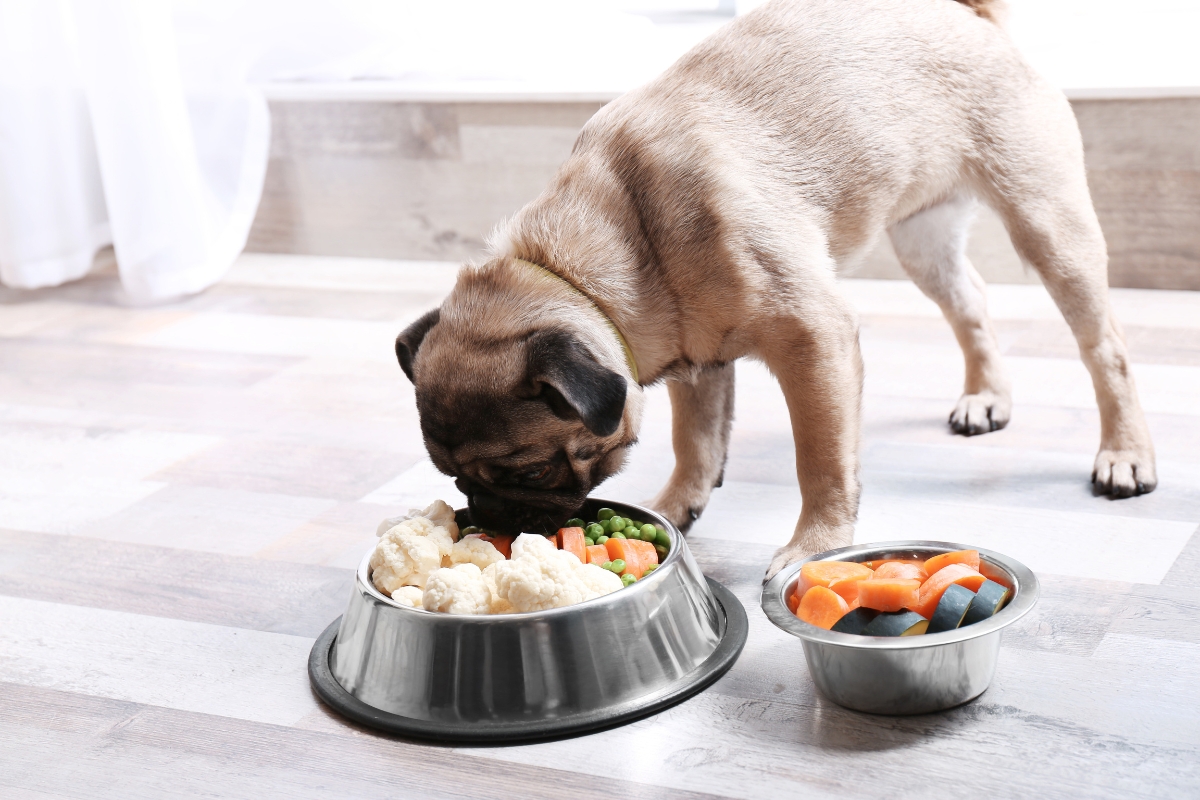
- Baby carrots or green beans for dogs
- Small pieces of cooked chicken
- Commercial low-calorie treats
- Portion of daily kibble reserved for rewards
Understanding pet obesity empowers you to protect your companion’s health and happiness. Recognizing warning signs, assessing body condition accurately, and implementing gradual lifestyle changes helps your pet achieve their ideal weight safely.
Remember that sustainable weight loss takes time and patience. Small consistent changes produce lasting results. Schedule a weight assessment with your veterinarian to establish baseline measurements and create a personalized plan for your beloved companion’s healthiest future.
Conveniently located in Sioux Falls, SD, if you are searching for a veterinarian near me who offers nutritional counseling, then Best Care Pet Hospital is the ideal choice for your pet. Their dedicated team provides personalized diet planning services to support your pet’s long-term health and well-being.
Frequently Asked Questions:
Q1: How quickly should my pet lose weight?
Ans: Safe weight loss occurs at 1-2% of body weight weekly for dogs and 0.5-1% for cats. Rapid weight loss causes dangerous health complications, especially hepatic lipidosis in cats.
Q2: Can certain breeds be naturally heavier?
Ans: While some breeds have stockier builds, no breed should carry excess fat. Breed-specific ideal weights exist, but body condition scoring remains the most accurate assessment method.
Q3: Should I switch to diet food for weight loss?
Ans: Weight management formulas help many pets lose weight safely while maintaining nutrition. However, portion control with regular food works for some pets. Consult your veterinarian for personalized recommendations.
Q4: Why isn’t my pet losing weight despite eating less?
Ans: Medical conditions like hypothyroidism can prevent weight loss. Hidden calories from treats, family members feeding extra, or inaccurate portions may also contribute. Veterinary evaluation identifies underlying causes.
Q5: How do I know when my pet reaches ideal weight?
Ans: Your veterinarian confirms goal weight achievement through body condition scoring. You’ll notice increased energy, easier movement, and visible waist definition when your pet reaches optimal condition.
Q6: Is pet obesity really that serious?
Ans: Absolutely. Obese pets live significantly shorter lives and experience more chronic diseases. Weight management represents one of the most impactful health interventions pet owners can provide.