Pets are masters of disguise. In the wild, showing weakness makes an animal vulnerable to predators, so our domesticated dogs and cats have retained the evolutionary instinct to hide their pain. As a result, your furry friend could be suffering from a significant health issue while appearing completely normal on the outside.
Because our pets cannot speak to tell us where it hurts, veterinary medicine relies heavily on science to fill in the gaps. This is where the common diagnostic tests vets use become the most valuable tools in your pet’s healthcare regimen.
By looking below the surface, veterinarians can catch diseases early, often before clinical symptoms even appear. This proactive approach not only saves you money on emergency treatments down the road but, more importantly, can save your pet’s life.
Why Diagnostic Testing is Essential
Many pet owners wonder why their veterinarian recommends lab work for a pet that looks healthy. This is often referred to as “baseline testing.” By establishing what is normal for your specific pet when they are well, vets can spot subtle changes later.
Furthermore, early detection allows for better management of chronic conditions. Kidney disease, diabetes, and hormonal imbalances are much easier to treat when caught in their initial stages rather than during a crisis.
The Essential Blood Panel: CBC and Chemistry
When your vet draws a small amount of blood, they are usually running two primary types of analyses. These provide a panoramic view of your pet’s systemic health.
Complete Blood Count (CBC)
A CBC analyzes the cells circulating in the blood. It is one of the most frequent tests performed because it offers immediate answers regarding infection and immunity.
- Red Blood Cells: Checks for anemia or hydration levels.
- White Blood Cells: Indicates infection, inflammation, or immune system issues.
- Platelets: Measure the blood’s ability to clot properly.
Blood Chemistry Profile
While the CBC looks at cells, the chemistry profile evaluates organ function. It measures various enzymes and electrolytes in the blood to tell the vet how the internal organs are working.
- Kidney values (BUN, Creatinine): Assessing filtration and hydration.
- Liver enzymes (ALP, ALT): Checking for liver damage or disease.
- Glucose: Screening for diabetes or hypoglycemia.
Urinalysis: More Than Just a Sample
A urinalysis is often paired with blood work to get a complete picture of your pet’s health. It is particularly crucial for senior pets or those drinking excessive amounts of water.
This test does far more than check for a urinary tract infection (UTI). It concentrates on the kidneys’ ability to concentrate urine. Additionally, it can reveal the presence of crystals (which lead to bladder stones), glucose (indicating diabetes), or protein (signaling kidney loss).
Imaging Techniques: Seeing Beneath the Surface
Sometimes, blood work isn’t enough to tell the whole story. When a vet needs to see the physical structure of organs or bones, they turn to diagnostic imaging.
Radiographs (X-Rays)
X-rays are the gold standard for looking at hard tissues and the overall shape of organs. They are commonly used to detect:
- Broken bones or arthritis.
- Foreign objects in the stomach (like a swallowed toy).
- Heart enlargement or fluid in the lungs.
Ultrasound
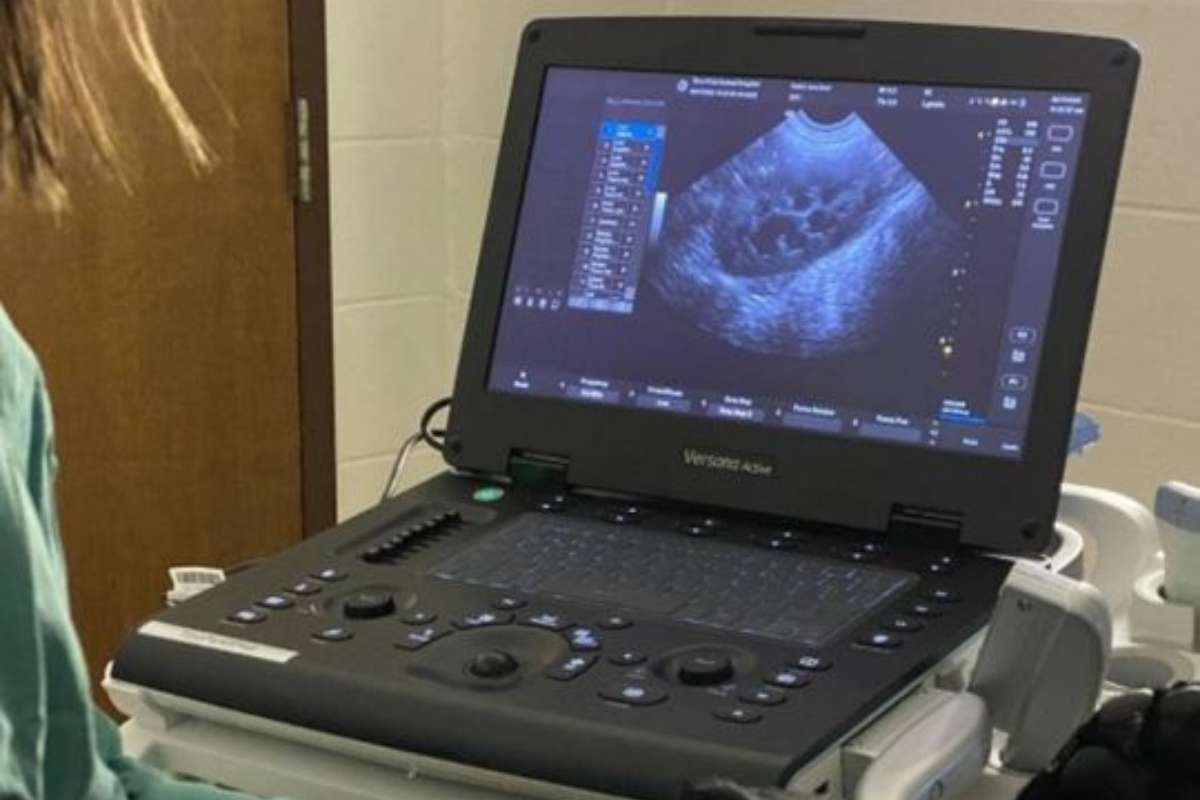
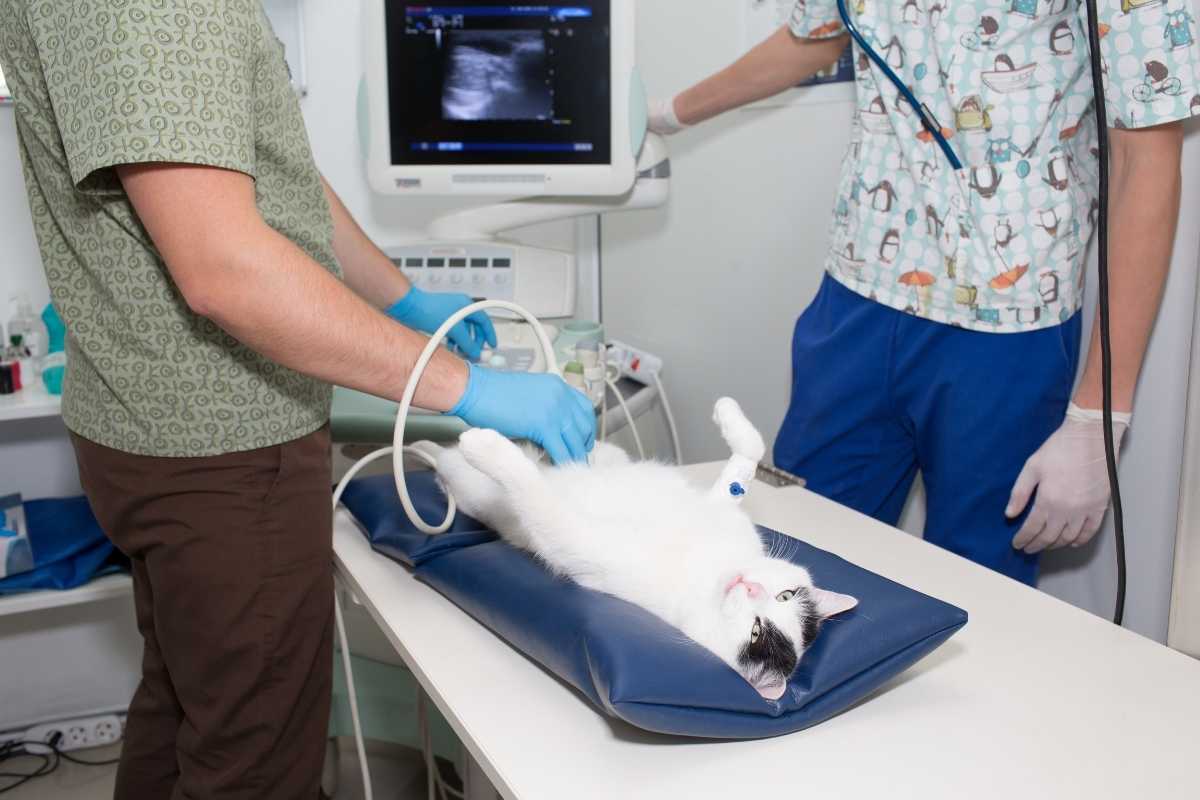
Ultrasounds provide a real-time, moving image of the inside of the body. Unlike X-rays, this technology allows vets to see the texture of organs. It is essential for diagnosing bladder stones, tumors on the spleen or liver, and pregnancy.
Parasite Screening
Internal parasites are a common threat that can be easily overlooked. Routine fecal exams are necessary to detect intestinal worms like roundworms, hookworms, and Giardia, which can be contagious to humans.
Additionally, blood tests for vector-borne diseases are vital. For dogs, a yearly heartworm test (often combined with a tick-borne disease screen) ensures they are free from these potentially fatal parasites transmitted by mosquitoes and ticks.
When Should These Tests Be Performed?
Diagnostic testing isn’t just for sick pets. To maintain optimal health, testing is recommended at specific life stages:
- Puppy/Kitten: Fecal exams and viral testing (like Parvo or FeLV).
- Adults: Annual heartworm tests and fecal checks; baseline blood work is recommended.
- Seniors (7+ years): Complete blood panel and urinalysis every 6 to 12 months.
- Pre-Anesthetic: Before any surgery (like a dental cleaning) to ensure the organs can handle anesthesia.
Diagnostic testing gives your pet a voice. By utilizing these medical tools, you move from reactive treatment to proactive wellness care, ensuring your companion stays by your side for as long as possible. Whether it is a routine fecal check or a senior blood panel, these insights provide peace of mind that your pet is truly healthy, inside and out.
If you have noticed changes in your pet’s behavior, or if they are due for their annual checkup, don’t wait for symptoms to worsen.
Conveniently located in Sioux Falls, SD, if you are searching for a veterinary near me who offers nutritional counseling and advanced diagnostics, then Best Care Pet Hospital is the ideal choice for your pet. Their dedicated team provides personalized services to support your pet’s long-term health and well-being.
Frequently Asked Questions:
Q1: Why does my healthy pet need blood work?
Ans: Baseline blood work establishes “normal” values for your individual pet. This allows your vet to detect subtle trends or hidden illnesses early, long before your pet shows physical symptoms of being sick.
Q2: How much do diagnostic tests cost?
Ans: Costs vary depending on the specific tests required and the laboratory used. While there is an upfront cost, diagnostics often save money in the long run by catching diseases before they become expensive emergencies.
Q3: Is an ultrasound better than an X-ray?
Ans: Neither is “better”; they serve different purposes. X-rays are superior for viewing bones and gas patterns, while ultrasounds are best for examining soft tissue architecture and fluid within organs.
Q4: How long do vet test results take?
Ans: Many vets have in-house laboratories that provide results for blood and urine within 30 minutes. However, specialized tests or biopsies sent to outside reference labs typically take 1 to 5 days.
Q5: Does a blood test hurt my pet?
Ans: The discomfort is minimal, similar to a human getting a flu shot or blood draw. Most pets tolerate it well with a little distraction and some tasty treats during the process.
Q6: What is a senior blood panel?
Ans: A senior panel is a more comprehensive set of tests designed for aging pets. It typically includes a CBC, extensive chemistry profile, urinalysis, and sometimes thyroid testing to monitor age-related conditions.