Pets cannot describe pain, dizziness, or nausea the way humans can. Instead, they communicate through behavior changes, appetite shifts, and physical symptoms. Unfortunately, these signs are easy to overlook until a condition becomes serious. That is why diagnostic testing plays such an important role in veterinary medicine.
Diagnostic tests allow veterinarians to see what is happening inside your pet’s body before illness becomes severe. Early detection improves treatment success and prevents complications. Therefore, knowing when to act can protect both your pet’s health and your peace of mind.
In this guide, Best Care Pet Hospital explains the most important warning signs and when testing becomes necessary. This article is especially helpful for pet owners in Sioux Falls, SD.
What Is Diagnostic Testing for Pets?
Diagnostic testing includes medical tools veterinarians use to evaluate organs, blood, and body systems. Rather than guessing, your veterinarian relies on measurable data to determine the exact problem.
Common tests include:
- Bloodwork
- Urinalysis
- Fecal exams
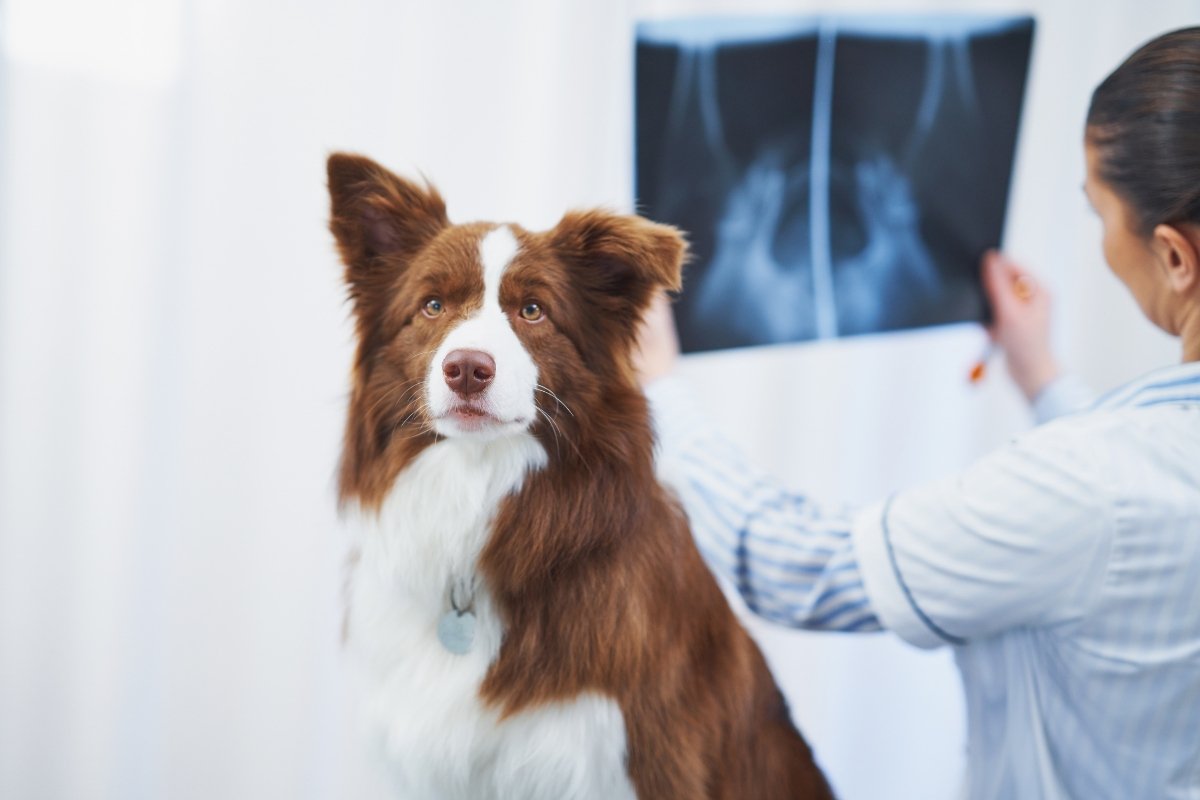
- X-rays
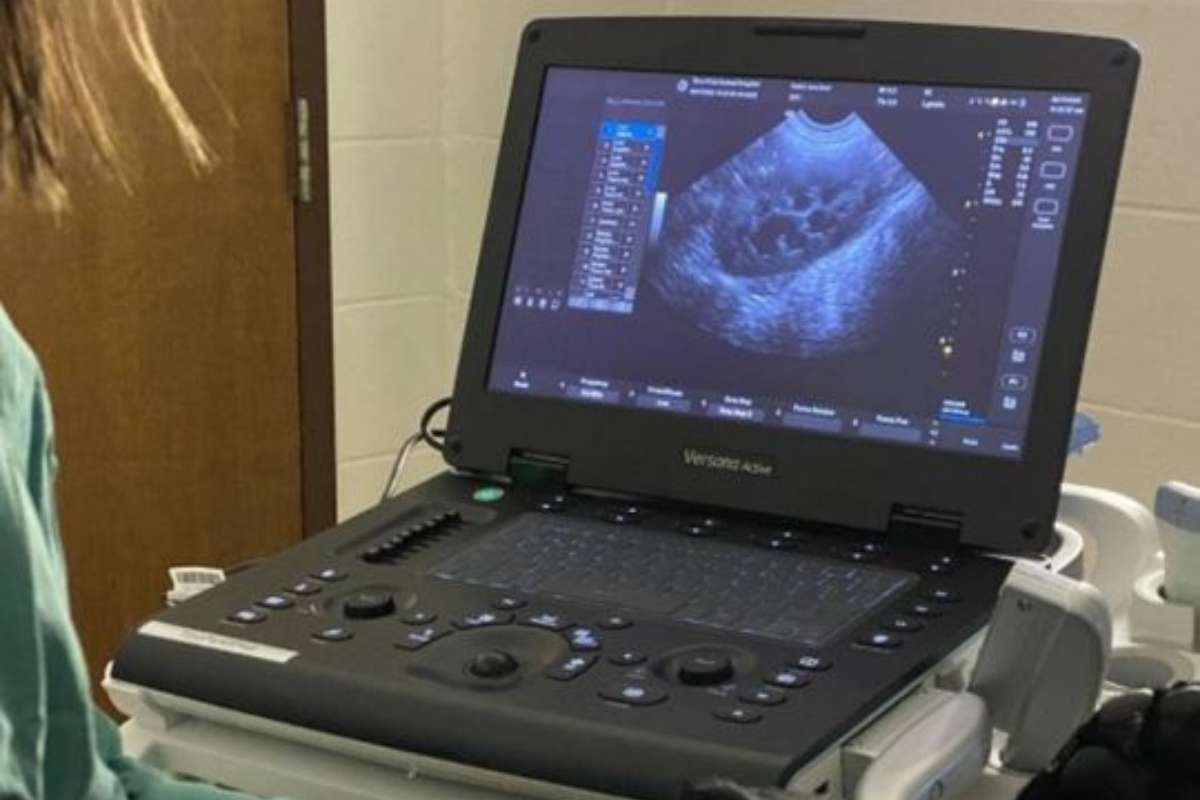
- Ultrasound
- Skin testing
These procedures form the foundation of pet diagnostic care, allowing veterinarians to diagnose disease accurately and quickly.
Why Early Testing Matters
Many illnesses develop silently. For example, kidney disease, diabetes, and thyroid disorders often progress for months before obvious symptoms appear. By the time a pet acts sick, the condition may already be advanced.
However, testing detects changes early. As a result, treatment begins sooner, recovery improves, and medical costs decrease.
Additionally, early diagnosis prevents unnecessary suffering. Pets often hide discomfort, so proactive care protects their quality of life.
Warning Signs You Should Never Ignore
Below are the most important indicators that your pet needs a medical evaluation.
1. Changes in Appetite
If your pet suddenly stops eating or begins eating excessively, something is wrong. Loss of appetite often signals infection, dental pain, organ disease, or digestive issues.
On the other hand, increased hunger can indicate diabetes or hormonal disorders.
2. Increased Thirst or Urination
Drinking more water than usual is a major red flag. Conditions commonly linked to this symptom include:
- Diabetes
- Kidney disease
- Cushing’s disease
- Urinary infections
Your veterinarian will likely recommend blood and urine testing immediately.
3. Vomiting or Diarrhea Lasting Over 24 Hours
Occasional stomach upset happens. However, persistent vomiting or diarrhea leads to dehydration and electrolyte imbalance. Testing helps identify parasites, bacterial infection, pancreatitis, or toxin exposure.
4. Sudden Weight Loss or Gain
Unexpected weight change without diet changes almost always requires investigation. Weight loss may indicate cancer, thyroid disease, or malabsorption. Weight gain may relate to hormonal imbalance or fluid retention.
5. Lethargy or Behavioral Changes
A normally playful dog that becomes inactive or a social cat that hides frequently may be experiencing pain. Behavioral shifts often appear before physical symptoms.
6. Coughing or Breathing Difficulty
Labored breathing is urgent. Possible causes include heart disease, pneumonia, asthma, or airway obstruction. Chest imaging and lab testing help identify the source quickly.
7. Skin Problems or Hair Loss
Persistent itching, sores, and hair thinning suggest allergies, parasites, or endocrine disorders. Skin testing and lab work help determine treatment.
Routine Testing Is Also Important
Diagnostic testing is not only for sick pets. Veterinarians recommend baseline testing during wellness exams. These routine checks monitor organ function and detect disease early.
Annual or semiannual testing often includes:
- Complete blood count
- Chemistry panel
- Urinalysis
- Parasite screening
Preventive veterinary diagnostic care helps track changes over time and identify problems before symptoms appear.
Senior Pets Need More Monitoring
Older pets face a higher risk of chronic disease. Therefore, veterinarians recommend testing every six months for seniors.
Common age-related conditions:
- Arthritis
- Kidney disease
- Thyroid imbalance
- Heart disease
- Diabetes
Frequent monitoring allows medication adjustments and improves comfort.
What Happens During a Diagnostic Visit?
First, your veterinarian performs a thorough physical exam. They check eyes, ears, heart, lungs, abdomen, joints, and hydration levels.
Next, they select appropriate tests based on symptoms. Most tests are quick and minimally stressful.
Blood tests require only a small sample. Imaging procedures are painless. Ultrasound uses sound waves to visualize organs safely.
Results may be available the same day or within 24 hours, allowing rapid treatment decisions.
How Testing Helps Treatment
Diagnostic testing eliminates guesswork. Instead of treating symptoms blindly, veterinarians target the actual cause.
For example:
- Antibiotics only if infection is confirmed
- Special diets for kidney disease
- Insulin therapy for diabetes
- Allergy treatment for skin irritation
Accurate diagnosis improves recovery and prevents ineffective medications.
Preparing Your Pet for Testing
You can help your pet stay calm and cooperative.
Helpful tips:
- Withhold food if instructed
- Bring a stool sample if requested
- Keep pets leashed or in carriers
- Stay calm during the visit
Pets often sense your emotions, so your relaxed attitude reassures them.
Pets rely on owners to notice small changes. Paying attention to appetite, behavior, and energy level helps you catch problems early. Diagnostic testing provides clear answers and allows effective treatment before conditions worsen.
If you’re in Sioux Falls, SD and searching for a trusted veterinarian nearby, consider booking an appointment with Best Care Pet Hospital. Our team will assess your pet’s condition, suggest the right tests, and support their long-term health and comfort.
FAQs
Q1. Are diagnostic tests painful for pets?
Ans. Most tests involve minimal discomfort, similar to routine blood draws in humans.
Q2. How long do results take?
Ans. Some results appear within hours, while specialized tests may take a few days.
Q3. Is testing necessary if symptoms seem mild?
Ans. Yes. Mild symptoms sometimes indicate a serious underlying disease.
Q4. How often should healthy pets be tested?
Ans. Typically, once yearly, and twice yearly for senior pets.
Q5. Are imaging tests safe?
Ans. Yes. Modern equipment uses controlled exposure and is considered very safe.
Q6. Can testing prevent emergencies?
Ans. Absolutely. Early detection often prevents life-threatening complications.