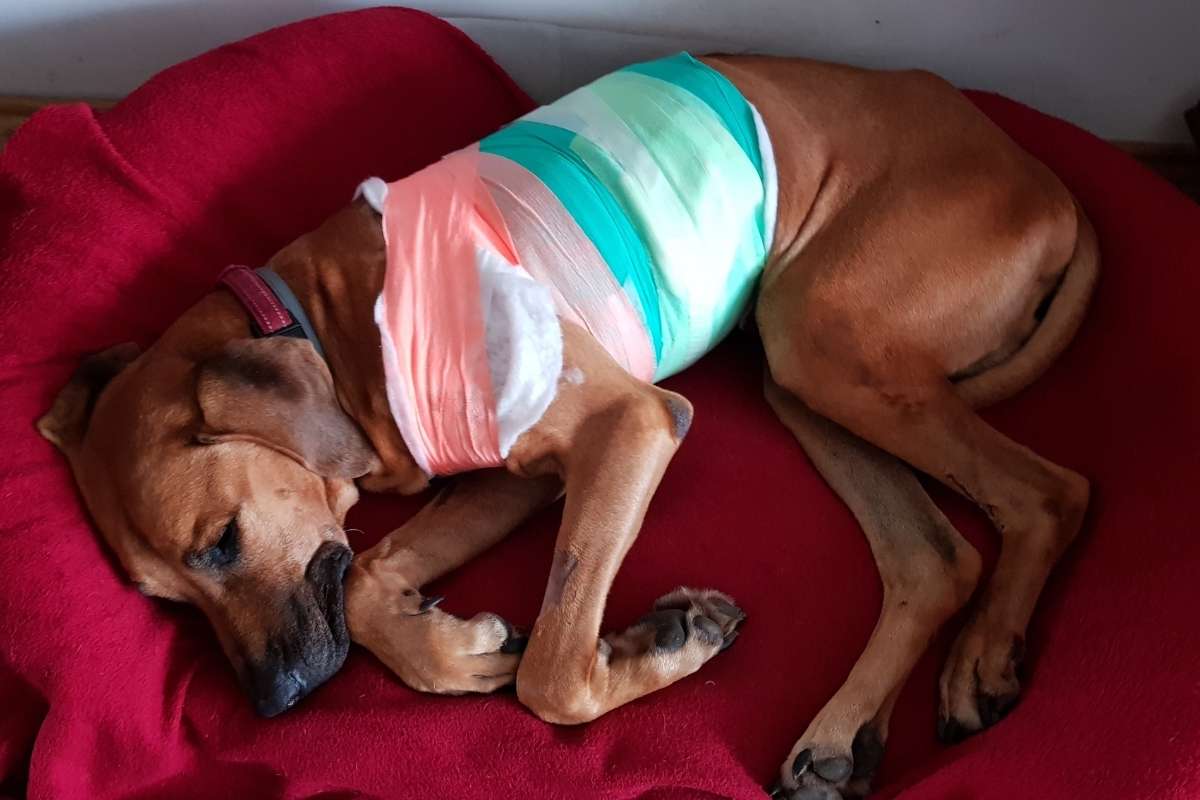
Caring for your dog after surgery can feel overwhelming, especially during the first two weeks when recovery is most critical. Whether your pet has undergone a routine procedure or a more complex pet surgery, proper aftercare plays a major role in healing, comfort, and preventing complications. Understanding what to expect—and how to respond—can make this period smoother for both you and your dog.
At Best Care Pet Hospital, pet owners are often guided through post-operative care with a focus on safety, consistency, and compassion. Knowing the basics of post-surgical management ensures your dog heals properly and returns to normal activity as soon as possible.
If you’re preparing for or currently managing your dog’s recovery, here’s what you need to know during the first 14 days after surgery, especially for pet owners in Sioux Falls, SD.
1. Create a Calm and Safe Recovery Space
After surgery, your dog will need a quiet, clean, and comfortable place to rest. Limit movement as much as possible by setting up a designated recovery area away from noise, children, or other pets.
- Use a crate or small room if necessary
- Provide soft bedding that supports joints
- Keep food, water, and essentials within reach
Minimizing activity helps prevent strain on stitches and supports faster healing.
2. Monitor the Surgical Site Daily
Checking the incision site is one of the most important responsibilities during recovery. Look for:
- Redness or swelling
- Discharge or bleeding
- Unusual odor
- Signs of pain when touched
A small amount of redness is normal, but worsening symptoms may indicate infection. If anything seems unusual, contact your veterinarian promptly.
3. Prevent Licking and Chewing
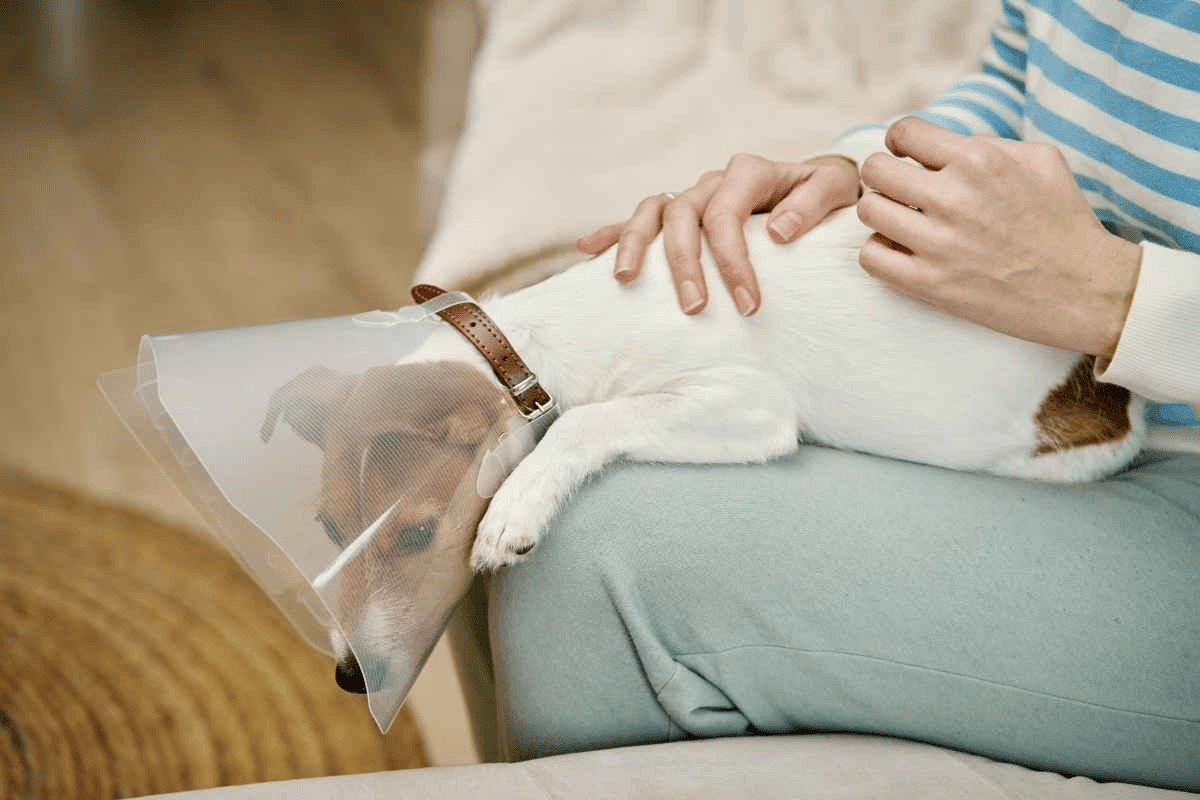
Dogs naturally lick wounds, but this can delay healing or cause infections. Use protective tools like:
- Elizabethan collars (E-collars)
- Recovery suits
- Bandages (if recommended by your vet)
Consistency is key—removing protection too early can undo healing progress.
4. Follow Medication Instructions Carefully
Your veterinarian will likely prescribe medications such as pain relievers, antibiotics, or anti-inflammatory drugs. Always:
- Administer the correct dosage at the recommended times
- Complete the full course of antibiotics
- Avoid giving human medications unless instructed
If your dog shows side effects like vomiting, lethargy, or loss of appetite, consult your vet immediately.
5. Maintain Restricted Activity Levels
Even if your dog starts to feel better, overactivity can cause setbacks. During the first two weeks:
- Avoid running, jumping, or rough play
- Keep walks short and controlled (on leash only)
- Prevent stair climbing if possible
Gradual reintroduction to normal activity should only happen after veterinary approval.
6. Manage Diet and Hydration
Your dog’s appetite may fluctuate after surgery. Offer small, easily digestible meals and ensure constant access to fresh water.
Tips include:
- Start with bland food if recommended
- Avoid treats that may upset digestion
- Monitor for vomiting or diarrhea
Proper nutrition supports tissue repair and overall recovery.
7. Watch for Behavioral Changes
It’s normal for dogs to act differently after surgery. You may notice:
- Increased sleepiness
- Temporary anxiety or restlessness
- Reduced appetite
However, prolonged or severe changes—such as extreme lethargy or aggression—should be evaluated by your veterinarian.
8. Keep Follow-Up Appointments
Follow-up visits are essential to track healing and remove sutures if needed. Your vet will assess whether recovery is progressing as expected and adjust care instructions accordingly.
If you’re unsure about your dog’s progress, don’t wait—schedule your appointment for professional guidance.
9. Maintain Cleanliness and Hygiene
Keep your dog’s environment clean to reduce infection risks. Avoid bathing your dog until your vet confirms it’s safe.
Additionally:
- Wash bedding regularly
- Keep the incision area dry
- Avoid exposure to dirt or outdoor contaminants
10. Know When to Call the Vet
Seek immediate veterinary attention if you notice:
- Persistent bleeding
- Swelling that worsens over time
- Loss of appetite beyond 48 hours
- Difficulty breathing or extreme weakness
Early intervention can prevent complications and ensure a smooth recovery.
Supporting Your Dog’s Recovery Journey
The first two weeks after surgery require patience, attention, and consistency. While it may seem like a lot to manage, these steps are essential to ensuring your dog heals properly and comfortably.
Pet owners in Sioux Falls, SD, can rely on professional veterinary support when needed. If you have concerns or need personalized guidance, book an appointment with Best Care Pet Hospital for more information.
Frequently Asked Questions
Q1. How long does it take for a dog to recover after surgery?
Ans. Most dogs begin to recover within 10–14 days, but full healing can vary depending on the type of pet surgery and your dog’s overall health.
Q2. Can I leave my dog alone after surgery?
Ans. It’s best to supervise your dog as much as possible during the first few days. Short periods alone may be okay once they are stable.
Q3. What should I do if my dog removes their E-collar?
Ans. Replace it immediately and monitor your dog closely. Contact your vet if the incision appears irritated or damaged.
Q4. Is it normal for my dog to sleep more after surgery?
Ans. Yes, increased rest is normal as the body heals. However, excessive lethargy should be discussed with your vet.
Q5. When can my dog resume normal activities?
Ans. Only after your veterinarian confirms proper healing, usually after a follow-up visit.
Q6. What are the signs of infection after surgery?
Ans. Look for swelling, redness, discharge, bad odor, or fever. These require prompt veterinary attention.