
Water is essential for every function in your pet’s body, from regulating temperature to supporting digestion and maintaining healthy organ function. While mild dehydration can often be corrected with prompt care, significant fluid loss can quickly become a serious health concern, especially for puppies, kittens, senior pets, and animals with underlying medical conditions.
Because dehydration is often a symptom of another health issue rather than a disease itself, recognizing the warning signs early can help protect your pet from complications. This guide explains what dehydration is, its common causes, symptoms to watch for, treatment options, and when your pet should be evaluated by a veterinarian.
What Is Dehydration in Pets?
Dehydration occurs when a pet loses more fluids than they take in. Along with water, pets also lose important electrolytes such as sodium, potassium, and chloride, which are necessary for normal muscle, nerve, and organ function.
Even mild dehydration can affect your pet’s energy level and appetite, while more severe dehydration may impact circulation, kidney function, and overall health.
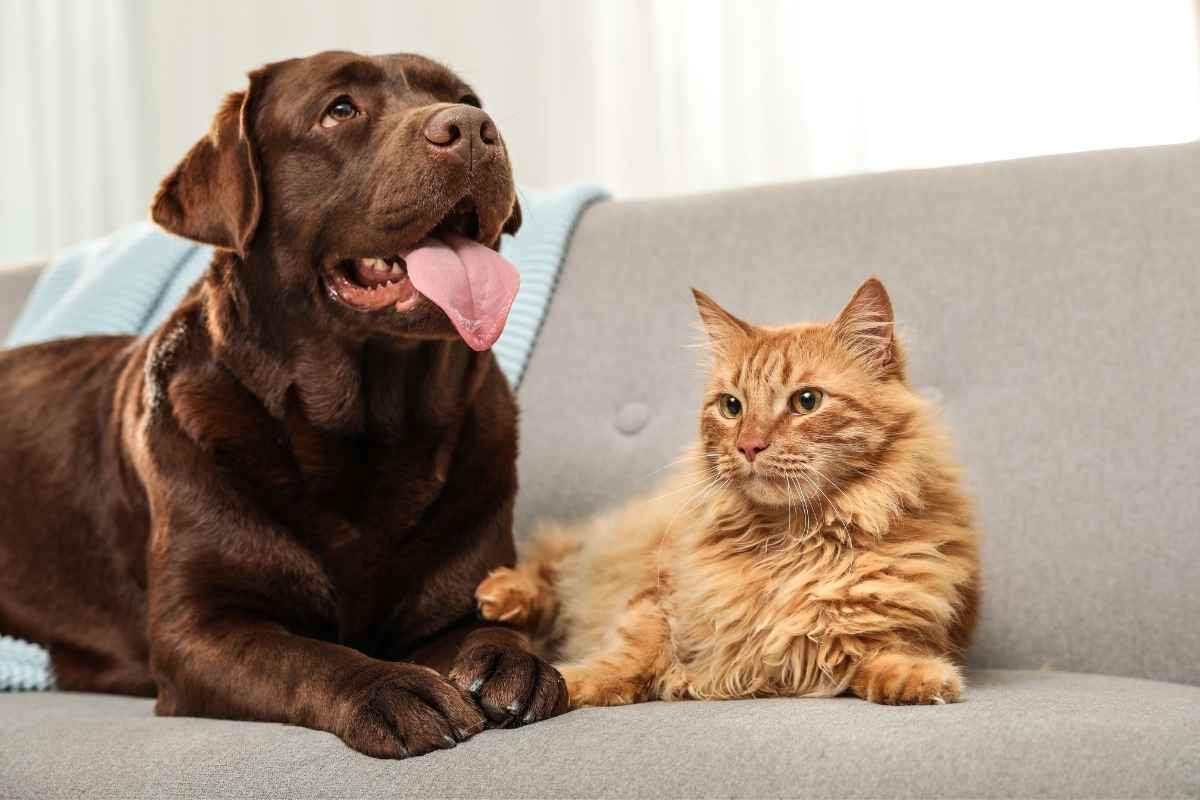
Both dogs and cats can become dehydrated, although cats often hide signs of illness longer than dogs, making early detection more challenging.
Why Is Water So Important?
Water makes up a large percentage of your pet’s body and plays a vital role in:
- Regulating body temperature
- Transporting nutrients
- Supporting digestion
- Lubricating joints
- Maintaining blood circulation
- Removing waste products
- Supporting kidney function
- Protecting vital organs
Without adequate hydration, these normal body functions begin to decline.
Common Causes of Dehydration in Pets
Several medical conditions and environmental factors can contribute to dehydration.
Vomiting and Diarrhea
One of the most common causes of dehydration is gastrointestinal illness.
Frequent vomiting or diarrhea can cause rapid fluid loss, especially in small pets.
Heat Exposure
Hot weather, vigorous exercise, or prolonged outdoor activity may lead to excessive panting and fluid loss.
Pets left without access to shade or fresh water are at particularly high risk.
Reduced Water Intake
Some pets simply stop drinking because they are ill, stressed, recovering from surgery, or experiencing dental pain.
Even a short period of reduced water intake may contribute to dehydration.
Kidney Disease
Kidney disease often causes increased urination, making it difficult for affected pets to maintain proper hydration.
This condition is especially common in older cats and senior dogs.
Diabetes
Diabetes frequently leads to excessive thirst and increased urination.
Without proper management, ongoing fluid loss may result in dehydration.
Fever and Infection
Illnesses that cause fever increase the body’s fluid requirements and may contribute to dehydration if pets are not drinking enough.
Certain Medications
Some medications increase urine production or reduce appetite, making dehydration more likely.
Always discuss medication side effects with your veterinarian.
Pets Most at Risk
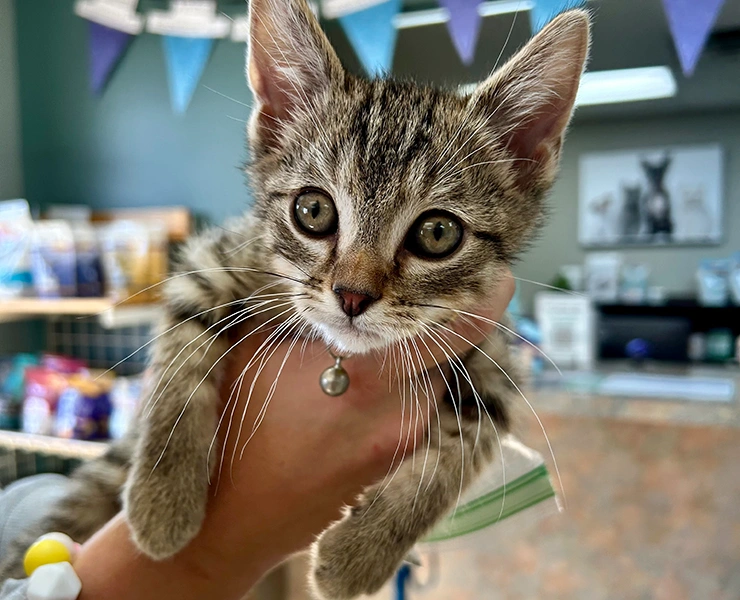
Although dehydration can affect any pet, some animals face higher risk.
These include:
- Puppies and kittens
- Senior pets
- Pets with chronic illnesses
- Pets recovering from surgery
- Highly active dogs
- Flat-faced breeds prone to overheating
- Pets with gastrointestinal illness
Close monitoring is especially important for these groups.
Signs of Dehydration in Pets
Early recognition allows treatment before dehydration becomes severe.
Common symptoms include:
- Dry or sticky gums
- Sunken eyes
- Lethargy
- Loss of appetite
- Excessive panting
- Weakness
- Thick saliva
- Reduced skin elasticity
- Dark yellow urine
- Decreased urination
As dehydration progresses, pets may become increasingly weak or collapse.
How to Check for Dehydration
While home assessments cannot replace veterinary evaluation, they may help identify possible dehydration.
Gum Moisture
Healthy gums should feel moist and slippery.
Dry or tacky gums may indicate dehydration.
Skin Tent Test
Gently lift the skin over your pet’s shoulders and release it.
In a well-hydrated pet, the skin quickly returns to its normal position.
Delayed return may suggest dehydration, although this test becomes less reliable in older pets due to reduced skin elasticity.
Can Dehydration Become Dangerous?
Yes.
If left untreated, dehydration can become life-threatening.
As fluid loss continues, circulation decreases, making it difficult for oxygen and nutrients to reach tissues throughout the body.
Severe dehydration may lead to:
- Low blood pressure
- Kidney damage
- Electrolyte imbalances
- Organ dysfunction
- Shock
Prompt veterinary treatment greatly improves the likelihood of a full recovery.
When Should You Contact a Veterinarian?
Mild dehydration may sometimes improve with increased water intake if the underlying cause is resolved.
However, veterinary evaluation is recommended if your pet:
- Vomits repeatedly
- Has persistent diarrhea
- Refuses to drink water
- Appears weak
- Becomes unusually sleepy
- Has dry gums
- Experiences difficulty standing
- Shows signs of heat-related illness
- Has underlying kidney disease or diabetes
If you’re searching for “urgent vet care near me” because your pet is showing signs of dehydration, prompt evaluation can help identify the underlying cause and prevent potentially serious complications.
How Veterinarians Diagnose Dehydration
Your veterinarian begins with a complete physical examination.
Depending on your pet’s condition, additional testing may include:
- Blood work
- Urinalysis
- Electrolyte testing
- Blood pressure measurement
- X-rays
- Ultrasound
These tests help determine both the severity of dehydration and its underlying cause.
Treatment for Dehydration
Treatment depends on the amount of fluid loss and the condition responsible for it.
Common treatments include:
Fluid Therapy
Pets with mild dehydration may receive fluids under the skin.
Moderate to severe dehydration often requires intravenous fluid therapy for more rapid correction.
Treating the Underlying Cause
Fluid replacement alone is not enough.
Your veterinarian will also treat the medical condition causing dehydration, such as:
- Gastrointestinal illness
- Infection
- Kidney disease
- Diabetes
- Heat-related illness
Monitoring
Hospitalized pets are closely monitored to ensure hydration improves and electrolyte levels return to normal.
Can Dehydration Be Prevented?
Many cases can be prevented through simple daily habits.
Help reduce your pet’s risk by:
- Providing clean, fresh water at all times
- Monitoring water intake
- Avoiding prolonged outdoor activity during hot weather
- Offering shade during outdoor play
- Scheduling regular wellness visits
- Seeking veterinary care when vomiting or diarrhea persists
- Following treatment plans for chronic illnesses
Preventive care becomes especially important during warmer months when pets lose fluids more quickly.
Dehydration is more than simply not drinking enough water. It is often a sign of an underlying medical condition that requires prompt attention. While mild dehydration may improve with early intervention, severe fluid loss can quickly become dangerous and affect multiple organ systems. Recognizing the warning signs and seeking veterinary care early can make a significant difference in your pet’s recovery.
If you’re in Sioux Falls, SD or the surrounding communities and your pet is showing signs of dehydration, call 605-334-2412 to speak with the team at Best Care Pet Hospital. We can evaluate your pet’s condition, provide timely medical care, and help restore their health as quickly as possible.
FAQs
Q1. What are the first signs of dehydration in pets?
Ans: Early signs include dry or sticky gums, reduced energy, loss of appetite, excessive panting, thick saliva, and decreased skin elasticity.
Q2. Can dehydration become life-threatening for dogs and cats?
Ans: Yes. Severe dehydration can lead to kidney damage, electrolyte imbalances, low blood pressure, shock, and organ dysfunction if left untreated.
Q3. How can I tell if my pet is dehydrated at home?
Ans: You can check for dry gums, reduced skin elasticity, sunken eyes, and changes in behavior. However, a veterinary examination is needed to accurately assess dehydration.
Q4. Should I force my pet to drink water if they are dehydrated?
Ans: No. Forcing water may increase the risk of choking or vomiting. Contact your veterinarian if your pet refuses to drink or cannot keep water down.
Q5. Which pets are most likely to become dehydrated?
Ans: Puppies, kittens, senior pets, pets with chronic illnesses, and those experiencing vomiting, diarrhea, or heat exposure are at greater risk.
Q6. When should I call a veterinarian for dehydration?
Ans: Contact your veterinarian promptly if your pet has repeated vomiting or diarrhea, refuses water, appears weak, collapses, has dry gums, or shows signs of heat-related illness.