A pet’s nutritional needs change significantly throughout life. Puppies and kittens need concentrated nutrition to support rapid growth, while adult pets need balanced meals that maintain energy and a healthy body condition. Later in life, senior dogs and cats may require dietary adjustments based on activity, metabolism, muscle condition, and age-related health concerns.
Choosing the right food is therefore about more than finding a product labeled as “healthy.” Pet parents should consider life stage, species, breed size, activity level, body condition, and individual health needs. In addition, feeding portions and meal frequency can change as pets mature.
Because nutrition directly affects growth, immunity, muscle development, and overall wellness, understanding these differences can help pet parents make better feeding decisions. Regular guidance from a veterinary hospital can also help ensure that a pet’s diet remains appropriate as its needs change.
Puppy Nutrition: Supporting Healthy Growth
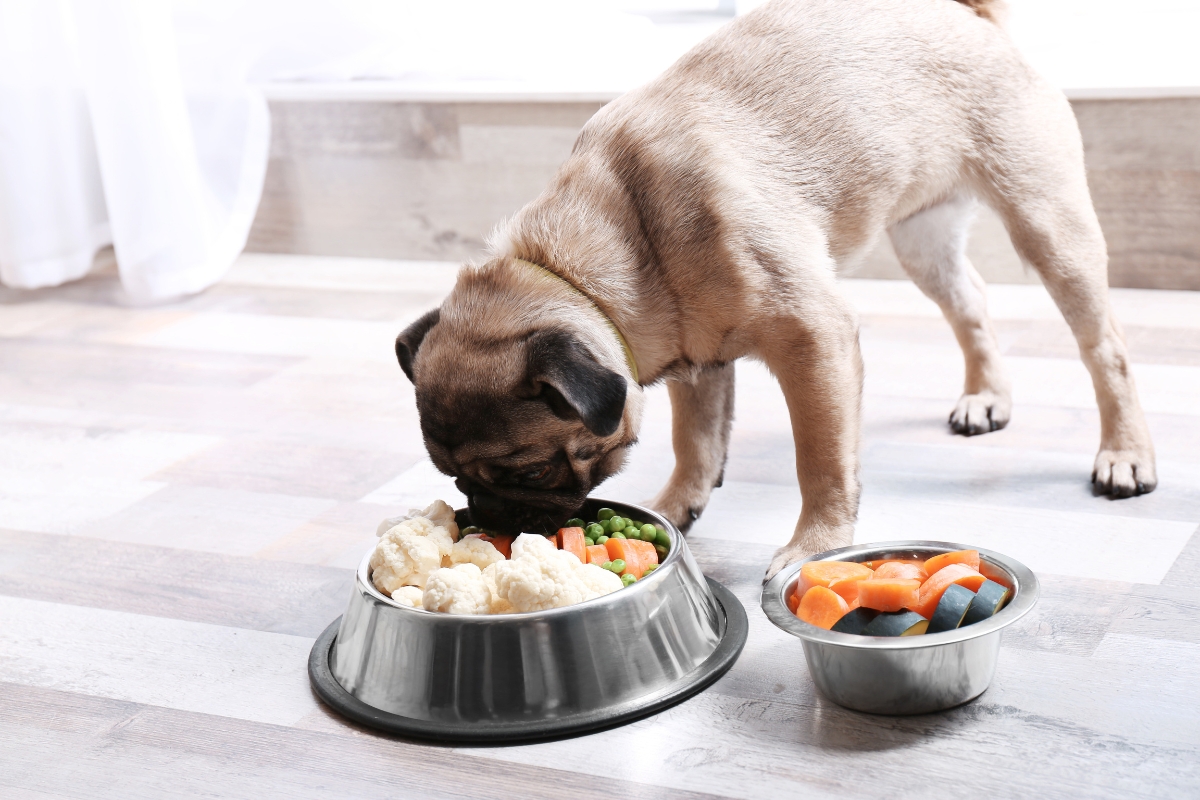
Puppies grow rapidly during their first year, although the exact growth period varies by breed and size. Their bodies require adequate protein, fat, calories, vitamins, and minerals to support developing muscles, bones, organs, and immune defenses.
Large-breed puppies need particular attention because excessive calories or inappropriate mineral levels can contribute to unhealthy skeletal development. Therefore, choose a complete and balanced puppy diet formulated for the appropriate growth stage.
Feeding portions should also match the puppy’s size and activity. Puppies commonly need several meals throughout the day, but the schedule can change as they mature. Monitor body condition rather than relying only on the amount listed on a food package.
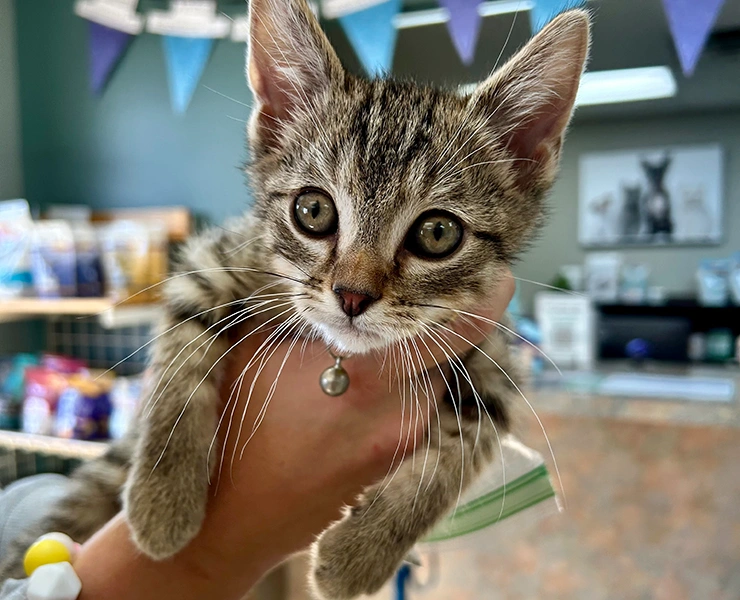
Kitten Nutrition: Fueling Rapid Development
Kittens also experience an intense period of growth. They need nutrient-dense food that provides sufficient protein, fat, calories, and essential nutrients for healthy development.
A kitten’s diet should support muscle growth, bone development, brain function, vision, and immune health. Kitten-formulated foods are generally designed to meet these increased nutritional requirements.
As kittens grow, their feeding schedule can gradually change. Fresh water should remain available at all times, and wet food can be useful for increasing overall fluid intake for cats that do not drink much water.
Avoid relying heavily on treats or human food. These extras can add unnecessary calories and may disrupt an otherwise balanced diet.
Adult Pets Need Nutritional Balance
Once puppies and kittens reach adulthood, their nutritional priorities shift from rapid development to maintenance. Adult dogs and cats generally need enough nutrients and calories to maintain healthy muscles, organs, immunity, and body weight.
Activity level matters considerably. An active dog may need more calories than a sedentary companion, while an indoor cat with limited exercise may require careful portion control.
Overfeeding can gradually lead to obesity, which may increase the risk of several health problems. Consequently, measure meals consistently and monitor your pet’s weight and body condition.
Senior Pet Nutrition: Adapting With Age
As pets enter their senior years, their metabolism, activity, digestion, and muscle mass may change. Some older pets become less active and require fewer calories, while others may lose weight or muscle and need additional nutritional support.
Senior pets do not automatically need a specific “senior” food. Instead, dietary decisions should reflect the individual animal’s health and nutritional requirements.
Some older pets may benefit from diets designed to support muscle maintenance, joint health, digestive function, or other specific needs. However, nutrient restrictions should only be introduced when appropriate for the pet’s health status.
Hydration Matters at Every Life Stage
Water is an essential part of good nutrition for puppies, kittens, adults, and senior pets. Dehydration can affect normal body function and may become especially concerning when an older pet has an underlying health condition.
Keep fresh, clean water accessible throughout the day. Cats may drink more readily from fountains or wide bowls, while some dogs enjoy drinking from multiple water stations.
Wet food can also contribute to daily fluid intake, particularly for cats. Nevertheless, dietary changes should complement, rather than replace, access to fresh water.
Avoid Common Feeding Mistakes
Even a nutritionally complete food can cause problems when portions are inappropriate. Overfeeding treats, frequently changing diets, sharing table scraps, and adding unnecessary supplements can disrupt nutritional balance.
When changing your pet’s food, transition gradually whenever possible. A slow introduction can help reduce digestive upset and make it easier to identify whether your pet tolerates the new diet.
Also, avoid assuming that supplements are always beneficial. Some can provide unnecessary nutrients or interfere with medications. Discuss supplements with a veterinary professional before adding them to your pet’s routine.
Creating a Personalized Nutrition Plan
Life stage provides an important starting point, but every pet has individual nutritional needs. Breed size, activity, reproductive status, body condition, allergies, medical history, and lifestyle can all influence dietary choices.
At Best Care Pet Hospital, veterinary professionals can help assess your pet’s overall condition and provide nutritional guidance appropriate for its current life stage.
Regular wellness visits also provide an opportunity to monitor weight and detect changes in appetite, digestion, muscle condition, or activity. As a result, you can adjust your pet’s nutrition before small changes become larger concerns.
Proper nutrition should evolve as pets move from growth to adulthood and eventually into their senior years. Puppies and kittens need nutrients that support development, adult pets need balanced maintenance nutrition, and senior pets may require individualized adjustments.
Monitor portions, hydration, body condition, appetite, and activity throughout your pet’s life. Most importantly, make dietary changes based on your pet’s individual needs rather than age alone. Schedule your appointment with Best Care Pet Hospital to discuss a nutrition plan that supports your pet at every life stage.
Frequently Asked Questions
Q1. What should puppies eat?
Ans: Puppies generally need a complete and balanced diet formulated for growth. Large-breed puppies may require food specifically designed to support controlled skeletal development.
Q2. How is kitten food different from adult cat food?
Ans: Kitten food typically provides higher concentrations of calories and essential nutrients needed for rapid growth and development compared with adult maintenance diets.
Q3. When should a puppy or kitten switch to adult food?
Ans: The timing varies by species, breed, and size. Many pets transition around their first year, while large dogs may mature later. A veterinarian can recommend an appropriate transition schedule.
Q4. Do senior pets always need senior food?
Ans: No. Some senior pets do well on an appropriate adult maintenance diet, while others benefit from a specialized nutritional plan based on their health and changing needs.
Q5. How can I tell if I am overfeeding my pet?
Ans: Regular weight checks and body condition assessments can help identify excess weight. Your veterinarian can also recommend appropriate portions based on your pet’s size, activity, and health.
Q6. Should I give my pet nutritional supplements?
Ans: Not necessarily. Healthy pets eating a complete and balanced diet may not need supplements. Always discuss supplements with a veterinary professional before adding them.