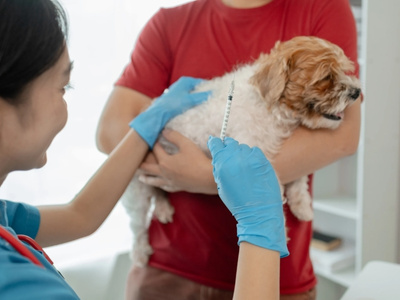
Bringing a new puppy home is a whirlwind of joy, cuddles, and chewed-up slippers. Amidst all the excitement, one of your first and most important duties as a pet parent is protecting their fragile new immune system. This journey begins with a foundational step that guards them against devastating—but preventable—diseases. Understanding why your puppy needs core vaccines is the cornerstone of responsible pet ownership.
These initial shots are more than just a routine vet visit; they are a powerful shield. They provide the essential immunity your puppy requires to grow into a strong, healthy, and happy adult dog. Consequently, starting their vaccination schedule promptly sets the stage for a lifetime of wellness and adventure together.
What Exactly Are Core Vaccines for Puppies?
You may hear veterinarians talk about “core” and “non-core” vaccines. It’s a simple but vital distinction.
Core vaccines are those recommended for every puppy, no matter their lifestyle or where they live. They protect against diseases that are widespread, highly contagious, and often fatal. Think of them as the non-negotiable essentials for your puppy’s health and safety.
In contrast, non-core (or lifestyle) vaccines are recommended based on a puppy’s individual risk. This could include factors like living in a specific geographic area, frequenting doggy daycare, or spending a lot of time in wooded areas.
The Key Core Vaccines Your Puppy Can’t Skip
While your veterinarian will provide a precise plan, the core vaccines universally protect against several major threats. These are often administered in a single combination shot to make the process easier and less stressful for your pup.
The DAPP Vaccine: A Powerful Combination Shield
The DAPP vaccine is a workhorse, protecting your puppy from four serious viruses at once:
- Distemper: A severe, contagious virus that attacks the respiratory, gastrointestinal, and nervous systems.
- Adenovirus: Causes infectious canine hepatitis, a serious liver disease.
- Parainfluenza: A contributor to kennel cough, a highly contagious respiratory infection.
- Parvovirus: An extremely contagious and often deadly virus, especially in puppies. It causes severe vomiting, bloody diarrhea, and life-threatening dehydration.
The Rabies Vaccine: A Non-Negotiable Protector
The rabies vaccine is in a class of its own. Rabies is a fatal viral disease that affects the brain and spinal cord of all mammals, including humans.
Because it is a public health risk and is 100% fatal once symptoms appear, the rabies vaccine is legally required in most states. This shot is typically given once the puppy is a bit older, usually around 12 to 16 weeks of age.
Understanding the Puppy Vaccination Schedule
A common question is, “Why does my puppy need so many shots?” A puppy’s immune system is a developing wonder. They receive initial, temporary immunity from their mother’s milk, but these maternal antibodies fade over the first few months.
The puppy vaccination series is strategically timed to protect this maternal immunity wanes. Each booster shot strengthens their immune response, building a durable defense.
A typical core vaccine schedule looks like this:
- First Visit: 6–8 weeks old
- Second Visit: 10–12 weeks old
- Third Visit: 14–16 weeks old
- Rabies Shot: 12–16 weeks old (as required by local law)
Your local veterinarian can provide a schedule tailored to the specific risks in your area. For example, a clinic providing pet vaccinations in Sioux Falls might have a slightly different recommendation than one in a coastal city.
For a complete guide on what to expect during these initial appointments, check out our article on [Your Puppy’s First Vet Visit: A Complete Checklist].
How to Prepare for Your Puppy’s First Vaccine Appointment
A little preparation can make your puppy’s first vet visits smooth and positive.
- Gather All Paperwork: Bring any health records you received from the breeder or rescue organization.
- Keep Them Calm: Use a secure carrier or leash. Bring a favorite toy or small treat to create a positive association.
- Write Down Questions: Don’t be shy! Ask your veterinarian about diet, house training, socialization, or any other concerns you may have.
- Arrange a Stool Sample: Your vet will likely ask for a fresh fecal sample to check for intestinal parasites.
What to Expect After Your Puppy’s Shots
It’s completely normal for a puppy to feel a little “off” after their vaccinations. The immune system is being activated, which takes energy.
Mild, temporary side effects can include:
- Slight lethargy or sleepiness for 24-48 hours
- Mild soreness at the injection site
- A temporary loss of appetite
However, you should contact your vet immediately if you notice any severe reactions, such as persistent vomiting or diarrhea, facial swelling, hives, or difficulty breathing. These are rare but require urgent medical attention.
Your Partner in Lifelong Health
Navigating the world of puppy care can feel overwhelming, but you’re already taking the most important step by seeking this information. Ensuring your puppy needs core vaccines is the first promise you make to protect them, laying the foundation for a long, vibrant, and healthy life by your side.
Your local veterinarian, like the team at Best Care Pet Hospital, is your best partner in this journey. Your next actionable step is simple: if you haven’t already, schedule that first vet visit to get your puppy started on the right path.
Frequently Asked Questions:
Q1: Can my puppy go outside before they are fully vaccinated?
Ans: It’s best to limit exposure to public places where other dogs frequent, like dog parks or pet stores, until your vet gives the all-clear. Your own secured yard is generally safe. Socialization in controlled environments with known, healthy, vaccinated dogs is encouraged.
Q2: How much do core puppy shots typically cost?
Ans: The cost of core puppy shots varies by location and clinic. It often includes the exam fee. Many clinics offer puppy wellness packages that bundle vaccines and other preventive care services to make it more affordable.
Q3: What is the difference between a 5-way and a 7-way vaccine?
Ans: A 5-way vaccine typically refers to the DAPP combination. A 7-way or 8-way vaccine adds protection against Leptospirosis, a bacterial disease. Your vet will determine if this non-core vaccine is necessary for your puppy’s lifestyle.
Q4: Is the rabies shot for puppies really necessary?
Ans: Absolutely. Rabies is a fatal disease with significant public health implications. The rabies vaccine is a core shot and is legally mandated in most areas to protect both pets and people.
Q5: Can I vaccinate my puppy at home to save money?
Ans: We strongly advise against this. Vaccines purchased from feed stores may not have been stored properly, rendering them ineffective. Furthermore, a veterinarian performs a full physical exam during the visit, which is crucial for catching early signs of other health issues.
Q6: What happens if my puppy misses a booster shot in the series?
Ans: If a booster is missed by a week or two, your vet can likely get you back on track. If a significant amount of time has passed, your vet may need to restart the series to ensure your puppy develops full immunity. Contact your vet as soon as you realize a shot was missed.