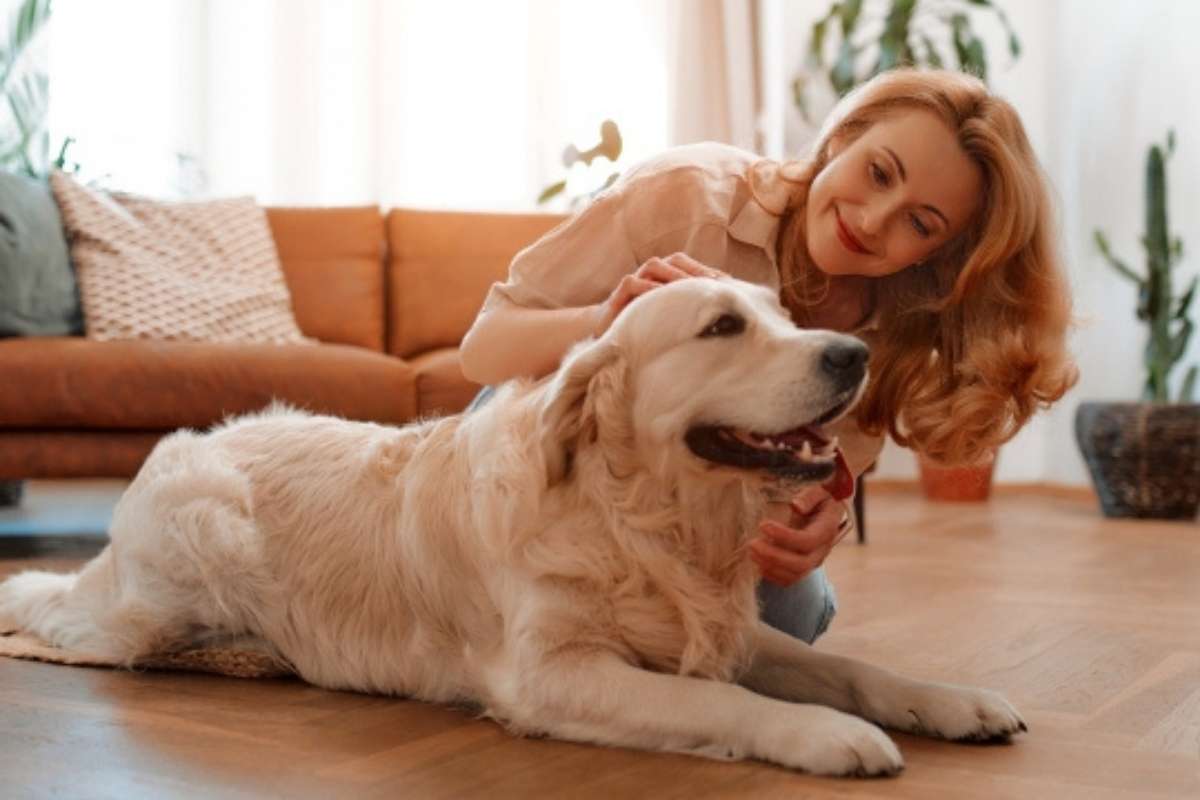
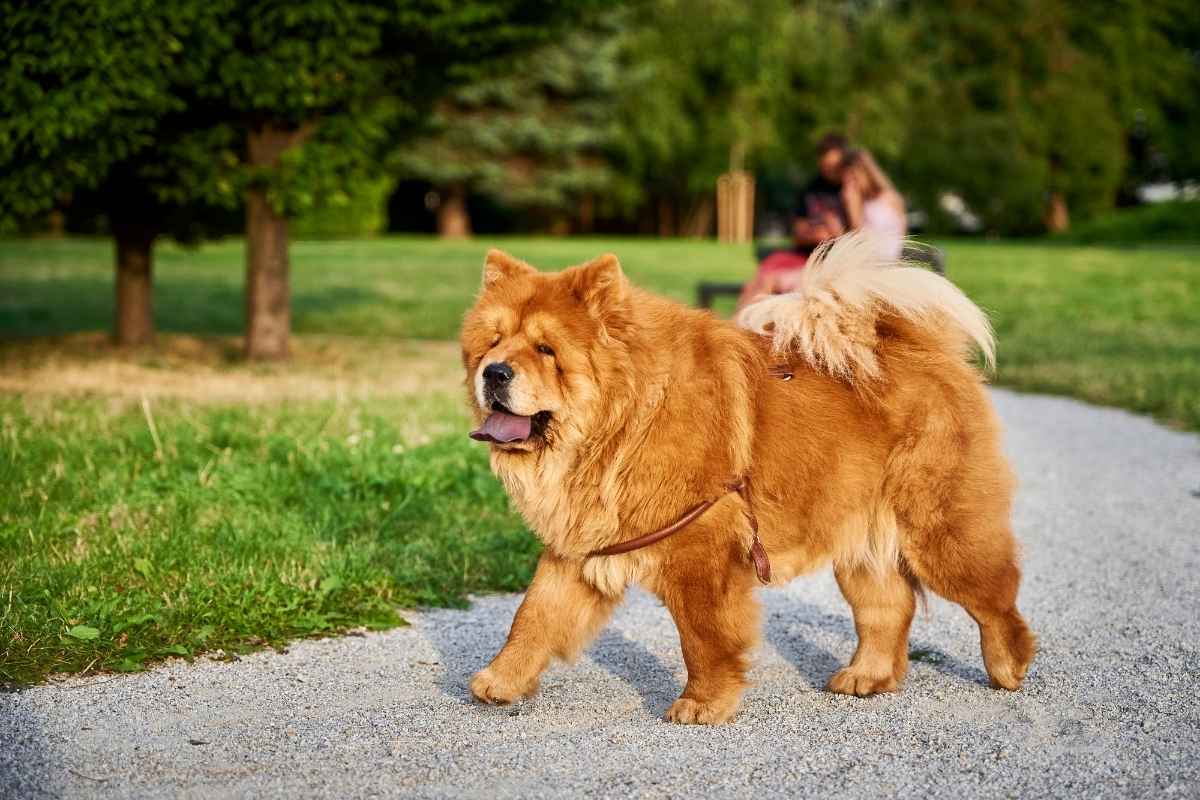
It’s easy to miss the signs of extra weight on your dog, especially when they’re covered in fur and full of love. However, canine obesity is one of the most common — and preventable — health problems today. Excess weight can lead to serious issues like joint pain, heart disease, diabetes, and a shorter lifespan.
At Best Care Pet Hospital, we believe prevention starts with awareness. This guide highlights seven clear ways to tell if your dog is overweight and shares simple, effective steps you can take today to help your furry friend stay healthy, active, and happy.
1. You Can’t Feel Their Ribs Easily
When you gently run your hands along your dog’s sides, you should be able to feel their ribs without pressing too hard. If you have to dig through a thick layer of fat, your dog may be overweight.
✅ Simple Fix: Adjust portion sizes and switch to a high-quality, low-calorie dog food. Ask your vet about proper feeding amounts based on your dog’s age, breed, and activity level.
2. Their Waistline Has Disappeared
A healthy dog should have a visible waist when viewed from above — a slight inward curve between the ribs and hips. If your dog’s shape looks oval or round instead, they’re likely carrying extra pounds.
✅ Simple Fix: Add short, frequent walks or play sessions to your daily routine. Even an extra 15 minutes of movement can make a difference.
3. They Tire Quickly During Exercise
If your dog pants heavily, slows down sooner than usual, or avoids physical activity altogether, excess weight may be straining their stamina and joints.
✅ Simple Fix: Start slow. Gradually build up activity time and avoid intense exercise until your vet confirms your pet’s fitness level.
4. Their Collar or Harness Feels Tight
Sudden tightness around the neck or chest can indicate weight gain — not just growth. This often happens so gradually that pet parents only notice when adjusting gear becomes difficult.
✅ Simple Fix: Re-measure your dog’s neck and chest every few months. Consistent monitoring helps track subtle weight changes.
5. Extra Fat Around the Base of the Tail or Belly
Look for fat deposits near the tail base, spine, or abdomen. A sagging belly or “pot-bellied” look is a telltale sign of being overweight.
✅ Simple Fix: Replace high-calorie treats with healthier alternatives like baby carrots, apple slices (no seeds), or green beans.
6. They Have Trouble Jumping or Climbing
Difficulty jumping onto furniture, climbing stairs, or getting into the car can signal excess weight putting stress on joints and muscles.
✅ Simple Fix: Encourage low-impact exercise such as swimming or gentle fetch sessions. Consistency is key to gradual improvement.
7. The Vet Says So — and It’s Time to Act
A professional body condition score (BCS) from your veterinarian is the most accurate way to determine if your dog is overweight. They can identify underlying issues, such as thyroid problems or arthritis, contributing to weight gain.
✅ Simple Fix: Schedule regular checkups and follow a personalized weight management plan from your vet.
Simple Steps to Start Weight Loss Safely
- Feed with purpose: Use a measuring cup to ensure accurate portions.
- Switch gradually: Introduce new food slowly over 7–10 days.
- Stay consistent: Set a regular feeding schedule and avoid table scraps.
- Increase playtime: Interactive games like tug-of-war or fetch can burn calories and strengthen your bond.
- Track progress: Weigh your dog every few weeks to monitor improvement.
Remember — slow and steady weight loss (about 1–2% of body weight per week) is safest for your pet.
Recognizing and addressing weight gain early can extend your dog’s life and enhance their quality of life. Regular exercise, portion control, and veterinary guidance are key to keeping your pet in great shape.
At Best Care Pet Hospital in Sioux Falls, SD, we’re dedicated to helping pets live longer, healthier lives through personalized care and preventive wellness programs. A few small changes today can make a lifetime of difference for your four-legged family member.
FAQs
Q1. How can I tell if my dog is overweight without going to the vet?
Ans. Check if you can easily feel their ribs and see a defined waistline. If not, your dog may be carrying extra weight.
Q2. What’s the healthiest way to help my dog lose weight?
Ans. Combine a balanced diet with regular, moderate exercise. Always consult your veterinarian before starting any weight-loss plan.
Q3. Can treats cause weight gain in dogs?
Ans. Yes. Treats should make up no more than 10% of your dog’s daily calories. Opt for low-calorie or natural treat options.
Q4. How often should I weigh my dog?
Ans. Once every 2–4 weeks is ideal during a weight-loss program to track progress and adjust feeding as needed.
Q5. Are certain breeds more prone to obesity?
Ans. Yes — breeds like Labradors, Beagles, and Dachshunds tend to gain weight more easily and may require closer monitoring.
Q6. What health risks are linked to dog obesity?
Ans. Obesity increases the risk of arthritis, heart disease, diabetes, and a shorter lifespan. Early intervention can prevent most of these issues.