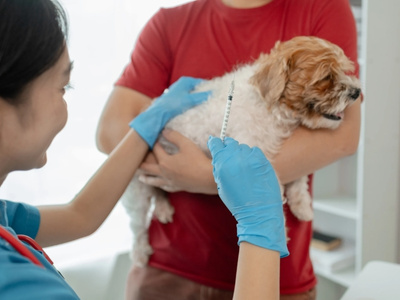

As pets grow older, their healthcare needs naturally change. While aging is a normal part of life, many age-related conditions can be detected early or even prevented through routine veterinary care. Preventative veterinary care focuses on maintaining your pet’s health before problems become serious, helping them enjoy a longer, happier, and more comfortable life.
Whether you have a playful puppy, an active adult dog, a curious kitten, or a senior cat, preventive healthcare plays an essential role at every stage of life. Regular wellness visits, vaccinations, parasite prevention, dental care, nutritional guidance, and routine health screenings all work together to support healthy aging.
This guide explains how preventative veterinary care benefits pets throughout their lives and why staying proactive is one of the best investments you can make in your companion’s long-term well-being.
What Is Preventative Veterinary Care?
Preventative veterinary care includes routine medical services designed to detect health concerns early, reduce the risk of disease, and promote overall wellness before illness develops.
Rather than treating diseases after symptoms appear, preventive care focuses on keeping pets healthy through regular monitoring and timely interventions.
Common preventive services include:
- Wellness examinations
- Vaccinations
- Parasite prevention
- Dental care
- Diagnostic screenings
- Nutritional counseling
- Weight management
- Behavioral assessments
- Senior wellness evaluations
Together, these services help identify subtle health changes that may otherwise go unnoticed.
Why Preventative Care Matters as Pets Age
Pets age much faster than humans. Depending on the species and breed, significant health changes can occur within a single year.
Many age-related diseases develop gradually, often without obvious symptoms during the early stages.
Routine veterinary visits help detect conditions such as:
- Arthritis
- Kidney disease
- Heart disease
- Diabetes
- Liver disease
- Dental disease
- Hormonal disorders
- Cancer
Early diagnosis often allows treatment to begin sooner, improving quality of life and potentially slowing disease progression.
Routine Wellness Exams Help Detect Problems Early
Regular physical examinations remain one of the most valuable preventive healthcare tools.
During a wellness visit, your veterinarian evaluates your pet’s:
- Weight and body condition
- Heart and lung function
- Eyes and ears
- Skin and coat
- Oral health
- Joint mobility
- Abdomen
- Lymph nodes
- Overall behavior
Even small changes may provide important clues about developing medical conditions.
For senior pets, wellness exams are often recommended every six months to help monitor age-related changes more closely.
Vaccinations Continue Protecting Aging Pets
Vaccinations are not only important for puppies and kittens. Adult and senior pets still require protection against infectious diseases based on their lifestyle and individual risk factors.
Your veterinarian will recommend a personalized vaccination schedule considering:
- Age
- Medical history
- Travel
- Boarding
- Grooming visits
- Outdoor activities
Keeping vaccinations current helps reduce the risk of preventable illnesses throughout your pet’s life.
Parasite Prevention Protects Overall Health
Internal and external parasites affect pets of every age.
Routine prevention helps protect against:
- Fleas
- Ticks
- Heartworms
- Roundworms
- Hookworms
- Whipworms
- Tapeworms
Parasites can cause discomfort, anemia, digestive problems, and transmit diseases that become increasingly difficult to manage as pets age.
Year-round parasite prevention remains an important part of lifelong healthcare.
Dental Care Supports Whole-Body Health
Dental disease affects most dogs and cats over three years of age.
Unfortunately, dental problems extend beyond bad breath.
Untreated dental disease may contribute to:
- Pain while eating
- Tooth loss
- Gum infections
- Heart disease complications
- Kidney complications
- Chronic inflammation
Routine dental examinations, professional cleanings, and home dental care help maintain both oral and overall health.
Nutrition Plays a Key Role in Healthy Aging
Nutritional needs change as pets grow older.
Senior pets often benefit from diets formulated to support:
- Joint health
- Healthy weight
- Kidney function
- Digestive health
- Cognitive function
- Immune system health
Your veterinarian can recommend dietary adjustments based on your pet’s age, breed, activity level, and medical conditions.
Maintaining proper nutrition supports healthy aging while reducing the risk of obesity-related diseases.
Weight Management Improves Quality of Life
Obesity is one of the most common health concerns among companion animals.
Excess weight increases the risk of:
- Arthritis
- Diabetes
- Heart disease
- High blood pressure
- Reduced mobility
- Shortened lifespan
Routine weight monitoring allows your veterinarian to identify gradual changes before obesity becomes difficult to manage.
Healthy body weight also helps senior pets remain active and comfortable.
Diagnostic Screening Detects Hidden Disease
Many internal diseases develop silently before noticeable symptoms appear.
Routine laboratory testing may include:
- Blood chemistry panels
- Complete blood counts
- Urinalysis
- Fecal examinations
- Thyroid testing
- Blood pressure measurements
These screenings establish health baselines and identify abnormalities before pets become visibly ill.
Early diagnosis often expands treatment options and improves long-term outcomes.
Monitoring Joint Health and Mobility
Arthritis affects many aging dogs and cats.
Signs often develop gradually, including:
- Difficulty standing
- Hesitation to climb stairs
- Reluctance to jump
- Slower walks
- Stiffness after resting
- Reduced interest in play
Many owners mistake these changes as “normal aging.”
Routine wellness visits help identify arthritis early so pain management strategies and lifestyle modifications can begin sooner.
Behavioral Changes Can Signal Medical Problems
Changes in behavior are not always caused by aging alone.
Veterinarians evaluate concerns such as:
- Increased vocalization
- Confusion
- House-soiling
- Anxiety
- Sleep disturbances
- Decreased interaction
These symptoms may indicate cognitive dysfunction, pain, hormonal disorders, or other medical conditions requiring treatment.
Personalized Care for Every Life Stage
Preventive healthcare evolves throughout your pet’s lifetime.
Puppies and Kittens
Focus includes:
- Vaccinations
- Deworming
- Nutrition
- Growth monitoring
- Behavioral guidance
Adult Pets
Healthcare priorities shift toward:
- Annual wellness exams
- Parasite prevention
- Dental care
- Weight management
- Routine laboratory screening
Senior Pets
Older pets often benefit from:
- Semiannual examinations
- More frequent laboratory testing
- Arthritis management
- Chronic disease monitoring
- Nutritional adjustments
Individualized care plans help address changing healthcare needs before complications arise.
The Value of Early Detection
One of the greatest advantages of preventive care is identifying health concerns before they become advanced.
Conditions commonly detected during routine visits include:
- Kidney disease
- Heart murmurs
- Diabetes
- Dental disease
- Cancerous masses
- Thyroid disorders
Earlier diagnosis often results in:
- More treatment options
- Lower long-term healthcare costs
- Better quality of life
- Improved life expectancy
For many pets, regular pet preventative care Sioux Falls appointments provide valuable opportunities to monitor overall wellness and detect subtle changes before serious illness develops.
Building a Long-Term Partnership With Your Veterinarian
Preventive care is not limited to annual appointments.
Building a long-term relationship with your veterinary team allows them to understand your pet’s:
- Medical history
- Lifestyle
- Normal behavior
- Previous laboratory results
- Risk factors
This ongoing relationship supports more accurate assessments and personalized healthcare recommendations.
Routine pet preventative care visits also provide an opportunity to discuss nutrition, exercise, behavioral concerns, and age-related health changes before they become more difficult to manage.
Healthy aging doesn’t happen by chance. It is supported through consistent preventive healthcare, early disease detection, good nutrition, regular dental care, parasite prevention, and ongoing wellness monitoring. By staying proactive throughout every stage of your pet’s life, you can help them remain active, comfortable, and healthy for years to come.
If you’re in Sioux Falls, SD, and need guidance from a vet near you on supporting your pet’s lifelong health, schedule your appointment with Best Care Pet Hospital. Our experienced team is committed to providing personalized preventive care, helping your companion enjoy every stage of life with the attention and support they deserve.
FAQs
Q1. What is preventative veterinary care?
Ans: Preventative veterinary care includes routine wellness exams, vaccinations, parasite prevention, dental care, diagnostic screenings, nutritional counseling, and other services designed to maintain your pet’s health and detect problems early.
Q2. How often should my adult pet have a wellness exam?
Ans: Most healthy adult pets should visit the veterinarian once a year. Senior pets or those with chronic health conditions may benefit from wellness exams every six months.
Q3. Why are routine blood tests important for older pets?
Ans: Blood tests can detect early signs of kidney disease, liver disease, diabetes, thyroid disorders, and other conditions before noticeable symptoms appear, allowing earlier treatment.
Q4. Does my indoor pet still need parasite prevention?
Ans: Yes. Indoor pets can still be exposed to fleas, ticks, heartworms, and intestinal parasites through shared environments, other animals, or insects that enter the home.
Q5. How does maintaining a healthy weight help aging pets?
Ans: A healthy weight reduces stress on joints, lowers the risk of chronic diseases such as diabetes, improves mobility, and supports a better quality of life as pets age.
Q6. What are some early signs that my senior pet should see a veterinarian?
Ans: Changes in appetite, weight, drinking habits, mobility, behavior, bathroom habits, or energy levels should all be evaluated promptly, as they may indicate underlying health conditions.