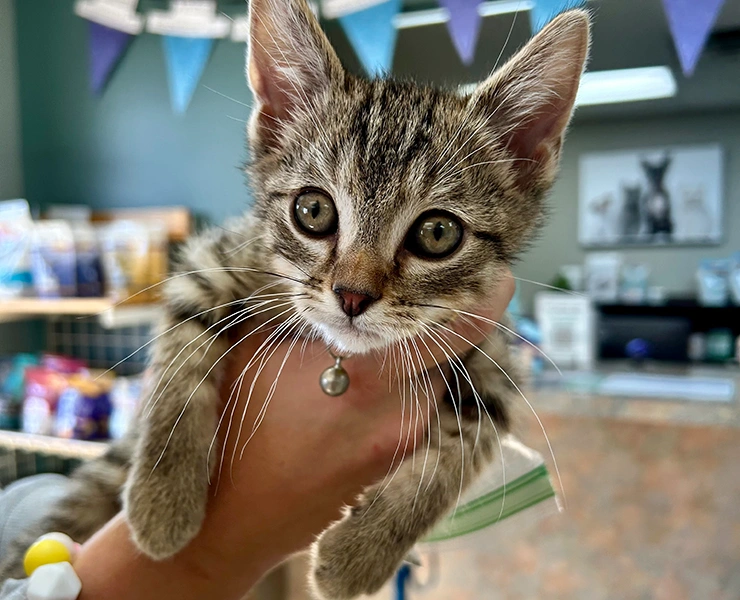

Deciding whether to bring home one cat or two can be a surprisingly important choice. While some cats are perfectly happy as the only pet, others enjoy the companionship, play, and social interaction that another cat can provide. However, adding a second cat does not automatically create a perfect friendship. Personality, age, health, living space, and introduction methods all influence how well two cats adapt to one another.
For potential cat owners, the decision involves more than simply considering whether two cats look adorable together. You also need to consider food, litter boxes, veterinary care, enrichment, household space, and long-term costs. Fortunately, with thoughtful planning, many households can successfully support two cats.
Before adopting another feline, consider your current cat’s temperament and history. A social, playful cat may adapt well to a companion, while a territorial or highly anxious cat may need a slower transition or may prefer remaining the only pet.
If you are uncertain about your cat’s health or readiness for a new companion, an animal hospital Sioux Falls can provide guidance about wellness care, vaccinations, parasite prevention, and other health considerations before introducing another cat.
Are Two Cats Really Better Than One?
There is no universal answer.
Some cats thrive with feline companionship, while others prefer solitude. Cats have individual personalities, and their social preferences can change depending on their age and previous experiences.
Two compatible cats may:
- Play together
- Groom each other
- Sleep near one another
- Explore their environment together
- Provide companionship
- Reduce boredom
However, two cats can also experience territorial disagreements or stress if their personalities do not match.
Therefore, the goal should not simply be to have two cats. The goal is to create a household where both animals feel safe, comfortable, and able to access their essential resources.
Benefits of Having Two Cats
1. Companionship
One of the biggest advantages of having two cats is the opportunity for companionship.
Cats that enjoy social interaction may spend time together when their owners are busy or away. They may sleep near each other, groom one another, or simply share the same room.
This does not mean every pair will become inseparable. Some cats may prefer parallel companionship, where they remain near each other without constantly interacting.
2. More Opportunities for Play
Cats naturally enjoy chasing, stalking, pouncing, and batting.
A compatible feline companion can provide opportunities for interactive play.
Two young cats may chase each other through the house or engage in short wrestling sessions. This activity can provide physical exercise and mental stimulation.
Nevertheless, owners should monitor interactions and make sure play remains mutual and appropriate.
3. Less Boredom
Boredom can affect cats that spend long periods alone without sufficient environmental stimulation.
Another cat may provide additional social and sensory stimulation.
However, a second cat should not replace toys, environmental enrichment, or human interaction. Both cats still need individual attention and opportunities for play.
4. Social Interaction
Some cats enjoy having another feline nearby.
Social interaction can include grooming, sleeping together, playing, or simply observing each other.
However, cats differ significantly in how much social contact they want. A companion should complement your cat’s personality rather than overwhelm it.
5. Shared Energy
Young cats often have substantial energy.
When two kittens have compatible energy levels, they may help entertain each other through play.
This can be especially helpful for owners who work outside the home. However, both kittens still need individual care, training, veterinary visits, nutrition, and attention.
Challenges of Having Two Cats
While two cats can offer benefits, they also create additional responsibilities.
1. Higher Costs
Two cats generally require more money than one.
You should budget for:
- Food
- Litter
- Veterinary examinations
- Vaccinations
- Parasite prevention
- Dental care
- Toys
- Scratching equipment
- Bedding
- Grooming supplies
- Unexpected medical expenses
You should also be financially prepared to handle veterinary needs for both cats at the same time.
2. Territorial Conflicts
Cats are territorial animals.
A resident cat may perceive a new cat as a threat to their space.
Potential signs of conflict include:
- Hissing
- Growling
- Swatting
- Chasing
- Hiding
- Urine marking
- Avoiding certain areas
- Changes in appetite
A gradual introduction can help reduce the risk of serious conflict.
3. More Litter Box Maintenance
Two cats mean more litter box use.
A commonly recommended guideline is to provide one litter box per cat plus one additional box. For two cats, that means three litter boxes.
Place boxes in separate, accessible locations.
Keeping them clean can also help reduce litter box avoidance and household stress.
4. Personality Differences
Your cats may have completely different temperaments.
One cat may be outgoing and playful, while the other may be quiet and cautious.
Do not expect them to interact constantly.
Instead, provide opportunities for both cats to choose when they want to interact and when they want privacy.
How to Choose a Second Cat
Choosing a compatible companion can make the transition easier.
Consider Age
Age can influence energy levels and behavior.
A young, energetic cat may overwhelm a senior cat that prefers quiet surroundings.
Similarly, two kittens may have an easier time matching each other’s energy.
However, age alone should not determine compatibility.
Consider Personality
Personality is one of the most important factors.
A calm cat may not enjoy living with an extremely energetic companion. On the other hand, two playful cats may have plenty of opportunities to entertain each other.
Consider Social History
If possible, learn about the potential new cat’s previous experiences with other cats.
A cat that has successfully lived with feline companions may have an easier transition, although individual behavior can still vary.
Consider Health
Both cats should receive appropriate veterinary evaluation.
Before introducing a new cat, discuss vaccinations, parasite prevention, infectious disease testing, and other health considerations with your veterinarian.
How to Introduce a New Cat
Do not immediately place the new cat in the resident cat’s territory.
Instead, introduce them gradually.
Step 1: Create a Separate Room
Give the new cat a dedicated space with:
- Food
- Water
- Litter box
- Bedding
- Scratching surface
- Toys
- Hiding areas
This allows the new cat to adjust before meeting the resident cat.
Step 2: Introduce Their Scents
Cats rely heavily on scent.
Exchange bedding or use separate soft cloths to introduce each cat’s scent to the other.
This helps both cats become familiar with the other’s presence without direct contact.
Step 3: Feed Them Near the Door
Place food bowls on opposite sides of a closed door.
This can help create a positive association with the other cat’s scent.
Step 4: Allow Visual Contact
Once both cats remain calm, use a secure barrier to allow controlled visual contact.
Watch their body language.
If either cat becomes highly stressed, return to the previous step.
Step 5: Start Short Supervised Meetings
When both cats appear comfortable, allow brief face-to-face interactions.
Keep the environment calm and provide escape routes.
Never force the cats to interact.
Step 6: Increase Interaction Gradually
If both cats continue to behave calmly, slowly increase their shared time.
Some introductions take several days, while others require weeks or longer.
Patience is often more effective than rushing the process.
How to Make a Two-Cat Home Comfortable
Providing sufficient resources can help prevent competition.
Give both cats access to:
- Multiple food areas
- Multiple water sources
- Several scratching posts
- Comfortable sleeping spaces
- Hiding areas
- Vertical climbing opportunities
- Interactive toys
- Separate litter boxes
Vertical territory can be particularly useful.
Cat trees, shelves, and window perches allow cats to move upward and create distance from one another.
Signs Your Cats Are Getting Along
A positive relationship may include:
- Sleeping near each other
- Mutual grooming
- Play with appropriate breaks
- Calmly sharing rooms
- Relaxed body language
- Choosing to approach one another
- Eating normally
- Using litter boxes normally
However, cats do not need to cuddle or groom each other to have a successful relationship.
Peaceful coexistence can be a perfectly acceptable outcome.
Signs the Cats May Be Stressed
Monitor both cats for behavioral changes.
Potential warning signs include:
- Persistent hiding
- Loss of appetite
- Excessive grooming
- Urinating outside the litter box
- Repeated hissing
- Growling
- Chasing
- Aggressive swatting
- Withdrawal
- Changes in sleeping patterns
If these signs persist, separate the cats and speak with your veterinarian.
Stress can affect a cat’s physical and emotional well-being, so prolonged changes should not be ignored.
Should You Adopt Two Kittens?
Two kittens can be a good option for households prepared for the long-term responsibility.
Kittens often have high energy and may enjoy playing together.
However, adopting two kittens means taking responsibility for two growing animals.
They will both need:
- Appropriate nutrition
- Vaccinations
- Parasite prevention
- Veterinary examinations
- Dental care
- Socialization
- Safe enrichment
- Spaying or neutering when appropriate
Consider the financial and time commitment before making the decision.
Can Two Cats Live Happily in a Small Home?
Two cats can potentially live comfortably in a smaller home if the environment is well organized.
The key is not simply square footage.
Provide vertical space, separate resources, hiding areas, and places where each cat can retreat.
A cat tree, shelves, window perch, and strategically placed resting areas can increase usable territory.
Most importantly, make sure neither cat feels trapped or constantly pursued by the other.
Do Two Cats Need More Veterinary Care?
Each cat needs individual healthcare.
Having two cats does not mean they can share vaccinations, preventive medications, or health assessments.
After more than 60% of the planning process, ongoing healthcare remains an important consideration for a multi-cat household. Best Care Pet Hospital can help establish appropriate wellness plans for each cat based on age, lifestyle, medical history, and individual needs.
Regular examinations can also help identify health changes that may otherwise go unnoticed.
How to Keep Two Cats Happy Long Term
Once your cats have adjusted, continue supporting their individual needs.
Maintain regular feeding schedules, clean litter boxes, provide daily enrichment, and give each cat individual attention.
Continue observing their relationship.
Cats can change as they age, and a relationship that works well when both animals are young may require adjustments later.
If one cat becomes less mobile, develops a medical condition, or becomes more sensitive to interaction, modify the environment accordingly.
So, are two cats better than one?
Sometimes they are, but it depends on the individual cats and the household.
Two compatible cats can provide companionship, play, social interaction, and enrichment. However, multiple cats also require additional financial resources, space, litter boxes, veterinary care, and thoughtful introductions.
Before adopting a second cat, consider your current cat’s personality, health, age, and previous experiences. Then evaluate whether your home can comfortably support another animal.
If you decide to move forward, introduce the cats gradually and give each one access to their own resources and safe spaces.
Most importantly, do not measure success by whether your cats become best friends. A peaceful relationship in which both cats feel secure can be just as successful.
If you are considering adding another cat or have concerns about your current cats’ health or behavior, schedule your appointment with Best Care Pet Hospital for personalized guidance.
Frequently Asked Questions
Q1. Is it better to have two cats than one?
Ans: It depends on the cats. Some cats enjoy companionship, while others prefer being alone. Personality, age, social history, health, and the home environment all influence whether two cats will thrive together.
Q2. Are two cats more difficult to care for?
Ans: Two cats require additional food, litter, veterinary care, supplies, and financial resources. However, compatible cats may provide each other with companionship and play opportunities.
Q3. Should I get a second cat for my lonely cat?
Ans: A second cat may help some social cats, but it is not guaranteed to solve loneliness. Consider your cat’s personality and previous experiences before adopting another pet. A veterinarian or qualified behavior professional can help you evaluate the situation.
Q4. How long does it take for two cats to get along?
Ans: It varies from one pair to another. Some cats adjust within days, while others need several weeks or longer. A gradual introduction can reduce stress and give both cats time to become comfortable.
Q5. How many litter boxes should two cats have?
Ans: A commonly recommended guideline is one litter box per cat plus one additional box. Therefore, two cats should generally have access to three litter boxes placed in convenient locations.
Q6. What should I do if my cats keep fighting?
Ans: Separate the cats to prevent injuries and reduce stress. Do not punish them. Restart introductions gradually and provide separate resources. If fighting continues, consult your veterinarian or a qualified feline behavior professional for individualized guidance.