A broken tooth in dogs can cause more discomfort than many pet owners realize. Your dog might continue eating, playing, and behaving normally even when a damaged tooth is causing pain. Sometimes, the only warning signs are slower chewing, unusual drooling, or a sudden dislike of favorite chew toys. What looks like a small chip may also hide damage beneath the gum line.
Recognizing dental injuries early can protect your dog’s comfort and prevent infections that could affect their long-term health. This guide is for dog owners in Sioux Falls who want to understand the symptoms of a fractured tooth, available treatments, and when extraction becomes necessary. Knowing what to watch for can help you make informed decisions about your dog’s oral health.
What Happens When a Dog Breaks a Tooth?
A dog’s tooth contains several layers. The outer enamel protects the underlying dentin, while the innermost pulp contains nerves and blood vessels. When a tooth fractures, the seriousness of the injury depends on which layers are damaged.
Veterinarians generally classify tooth fractures into two categories:
- Uncomplicated fractures: These damage the enamel and dentin without exposing the pulp. Although the tooth may appear only slightly chipped, the exposed dentin can cause sensitivity and requires veterinary assessment.
- Complicated fractures: These expose the pulp, allowing bacteria to enter the tooth. Without treatment, infection and damage around the root can develop.
Even a fracture that looks minor deserves attention. The visible damage does not always reveal what is happening inside the tooth.
Common Causes of Broken Teeth in Dogs
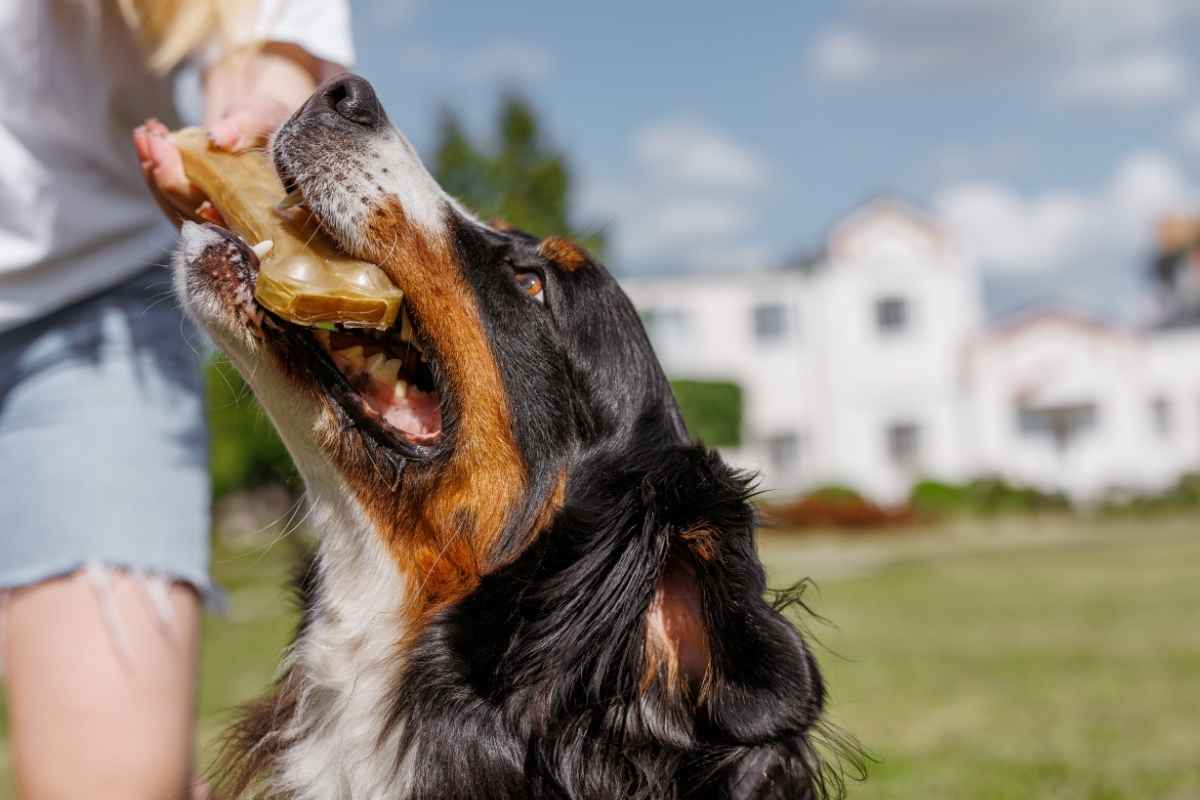
Dogs use their teeth for much more than eating. Chewing, carrying objects, and rough play can place considerable pressure on their teeth.
Some common causes include:
- Chewing hard objects: Bones, antlers, rocks, and hard nylon toys can fracture teeth.
- Accidental injuries: Falls, collisions, or other physical trauma may damage one or several teeth.
- Rough play: Tugging on hard toys or biting objects during energetic play can sometimes cause fractures.
- Weakened teeth: Existing dental disease or previous injuries may leave teeth more vulnerable to damage.
The large upper premolars, often called carnassial teeth, are particularly susceptible to fractures when dogs bite down on hard objects.
Choosing appropriate chew toys and monitoring chewing habits can help reduce these injuries.
Warning Signs Your Dog Has a Broken Tooth
Some dogs show obvious discomfort after breaking a tooth. Others continue their daily routines, making dental injuries difficult to recognize.
Watch for these changes:
- Difficulty chewing: Your dog may chew on one side of the mouth or drop food while eating.
- Reduced appetite: Pain may make your dog hesitant to eat, particularly when offered crunchy food.
- Excessive drooling: Increased saliva production can indicate oral discomfort.
- Bleeding around the tooth: Blood near the gums or exposed tissue may signal a deeper fracture.
- Pawing at the mouth: Your dog may repeatedly rub their face or mouth.
- Facial swelling: Swelling near the cheek, jaw, or below an eye can indicate infection.
- Tooth discoloration: A tooth that turns gray, purple, or brown may have damaged or dead pulp.
A visible crack, missing tooth fragment, or red or dark spot in the center of a broken tooth also warrants prompt examination.
Importantly, a dog that continues eating normally can still have a painful dental injury.
Can a Broken Dog Tooth Heal Naturally?
Unfortunately, a fractured permanent tooth cannot regenerate its missing enamel or rebuild damaged pulp.
A small chip without pulp exposure may not require extraction, but it still needs evaluation. Exposed dentin can remain sensitive, and more serious damage may not be visible during a basic examination.
Fractures involving the pulp are more concerning. Bacteria can enter the exposed tissue, eventually causing infection around the tooth root.
Ignoring the injury may lead to:
- Persistent dental pain
- Tooth root infections
- Abscess formation
- Damage to surrounding bone
- Difficulty eating comfortably
Early pet dental care allows veterinarians to assess the injury and recommend treatment before complications develop.
How Veterinarians Diagnose Broken Teeth in Dogs
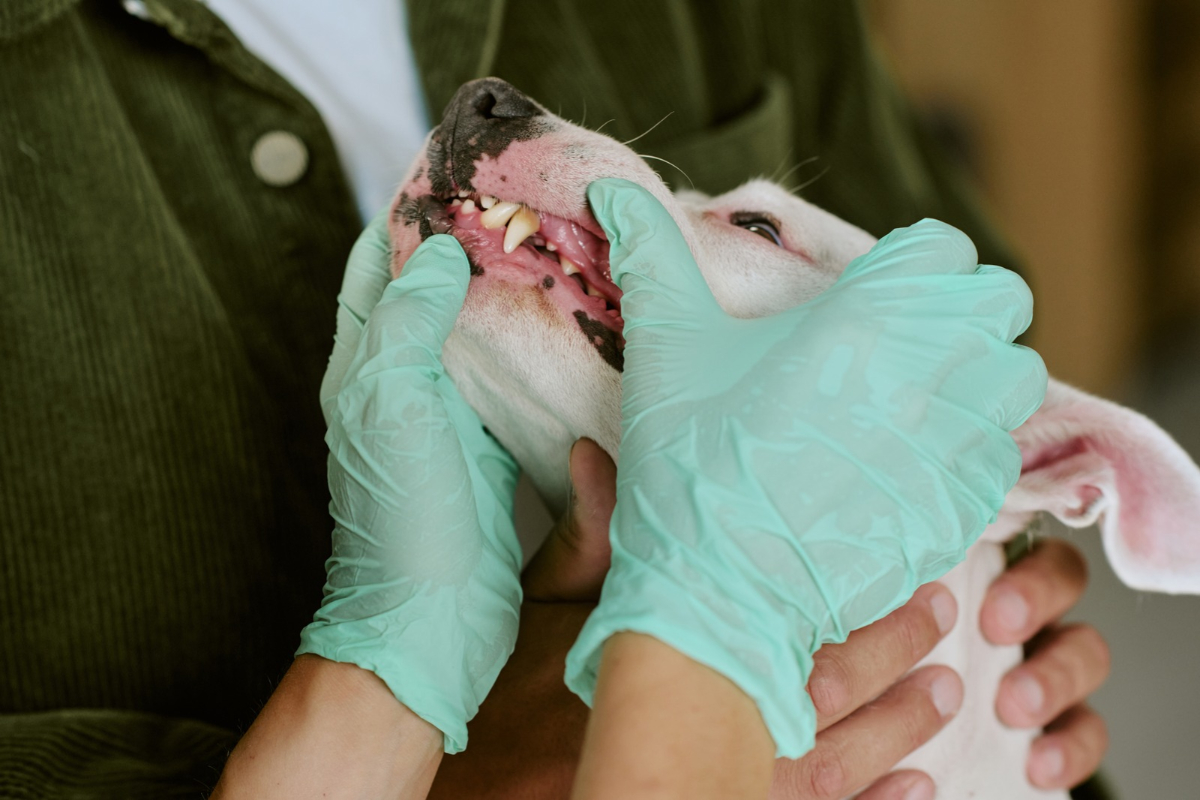
Diagnosing a fractured tooth involves more than checking the visible surface. During an examination, our vets look for chipped enamel, exposed pulp, gum inflammation, discoloration, and other signs of dental disease.
If further evaluation is necessary, we may recommend a dental procedure under general anesthesia.
At our veterinary hospital, dental examinations and procedures can include:
- Oral examination: Assessing visible fractures, gum health, and other dental concerns.
- Dental X-rays: Examining tooth roots, surrounding bone, and damage hidden beneath the gums.
- Treatment planning: Determining whether the damaged tooth can be preserved or requires removal.
Our veterinary hospital performs full-mouth dental X-rays with dental cleanings. These images help identify problems that cannot be detected through visual examination alone.
Treatment Options for Broken Teeth in Dogs
The appropriate treatment depends on the fracture’s depth, the affected tooth, its root condition, and your dog’s overall health.
Dental Sealants for Minor Tooth Fractures
Some uncomplicated fractures may be treated with a veterinary dental sealant or restoration. These treatments can protect exposed dentin and reduce sensitivity when the tooth remains healthy.
However, not every chipped tooth qualifies. A veterinarian must first determine whether the pulp or surrounding structures have been affected.
Root Canal Therapy for Damaged Teeth
Root canal treatment may preserve certain fractured teeth when the pulp has been exposed or damaged. During the procedure, a veterinary dental professional removes affected pulp tissue, disinfects the root canal, and seals the tooth.
This treatment is particularly worth discussing for important chewing teeth when preservation is possible. Root canal therapy requires appropriate dental equipment and training. If this option is suitable for your dog, referral to a veterinary dental professional may be recommended.
Tooth Extraction for Severe Fractures
Extraction becomes necessary when a tooth cannot be preserved safely or when removal is the most appropriate treatment.
Common reasons include:
- Extensive fractures involving the tooth root
- Severe damage to the tooth structure
- Significant periodontal disease
- Infection that cannot be appropriately managed while preserving the tooth
- Situations where other tooth-saving treatments are unsuitable
Our vets assess dental health and discuss necessary extractions with pet owners before proceeding.
Removing a severely damaged tooth can eliminate a source of pain and infection, allowing your dog to return to comfortable eating after recovery.
When Should Your Dog Receive Immediate Attention?
A suspected broken tooth should be evaluated promptly, even if your dog seems comfortable.
Contact a veterinarian as soon as possible if you notice:
- Exposed red or pink tissue inside a fractured tooth
- Bleeding that continues after an injury
- Significant facial swelling
- Severe discomfort or refusal to eat
- A loose or displaced tooth following trauma
- Suspected jaw injury or difficulty closing the mouth
Severe trauma, uncontrolled bleeding, or breathing difficulties require emergency veterinary attention.
Until your dog receives an examination, avoid hard food, bones, and chew toys. Do not attempt to remove tooth fragments or give human pain medications.
Helping Your Dog Recover After Tooth Extraction
Most dogs adapt well after having a damaged tooth removed. Recovery depends on the tooth involved, the procedure, and your dog’s overall health.
Your veterinarian will provide specific postoperative instructions.
These commonly include:
- Feeding softened food for the recommended period
- Giving prescribed medications as directed
- Avoiding hard treats, bones, and chew toys
- Preventing rough play that could disturb healing tissues
- Monitoring for persistent bleeding, swelling, or worsening discomfort
- Attending follow-up visits when recommended
Many dogs return to their usual eating habits once healing is complete. Consistent pet dental care also helps identify developing problems and maintain healthier teeth after recovery.
How to Prevent Tooth Fractures in Dogs
Not every dental injury is preventable, but several everyday habits can lower the risk.
- Choose safer chew toys. Avoid extremely hard objects that cannot bend or yield under pressure.
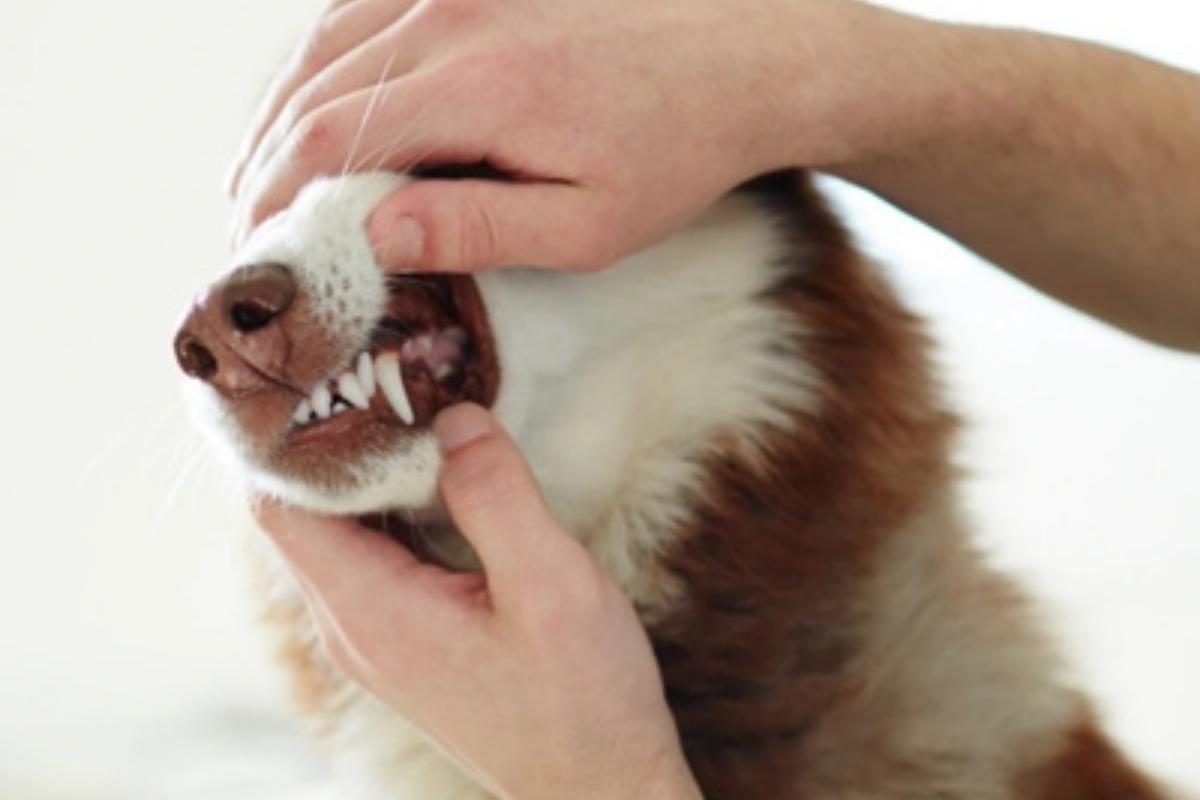
- Inspect your dog’s teeth regularly. Look for chips, discoloration, swollen gums, or changes in chewing behavior.
- Schedule routine veterinary examinations. Regular oral assessments help identify dental concerns before they become more serious.
- Maintain dental hygiene. Brush your dog’s teeth with pet-safe toothpaste and ask your veterinarian about appropriate dental products.
Home care supports dental health, but it cannot repair an existing fracture. Professional evaluation remains necessary whenever damage is suspected.
Help Your Dog Eat and Play Comfortably Again
A broken tooth can affect more than your dog’s ability to chew. Ongoing discomfort may change their appetite, behavior, and enjoyment of everyday activities. Identifying the injury and treating it appropriately can help restore comfort and prevent complications.
At Best Care Pet Hospital, our team provides dental examinations, dental X-rays, professional cleanings, and necessary extractions to address oral health concerns.
If you suspect your dog has a broken tooth, don’t wait for the discomfort to become obvious. Contact our veterinary hospital in Sioux Falls or schedule an appointment online. Let our vets help your dog return to comfortable meals, enjoyable playtime, and healthier days.
Frequently Asked Questions
Q1. Can a dog live with a broken tooth?
Ans. A dog may continue eating and behaving normally despite having a fractured tooth. However, exposed dentin can cause sensitivity, while exposed pulp may lead to infection. A veterinary examination is necessary to determine whether treatment is required.
Q2. Does every broken tooth in dogs need extraction?
Ans. No. Some minor fractures may qualify for protective dental treatment, while certain deeper fractures can be treated with root canal therapy. Extraction is recommended when the tooth cannot be preserved appropriately, or removal offers a more suitable outcome.
Q3. How quickly should a broken tooth be treated?
Ans. Arrange a veterinary examination promptly after discovering a fracture. Teeth with exposed pulp require timely treatment because bacteria can enter the tooth. Severe bleeding, facial trauma, or significant swelling warrants more urgent attention.
Q4. Where can I get my dog’s broken tooth examined in Sioux Falls?
Ans. Best Care Pet Hospital provides dental examinations for dogs in Sioux Falls. Our vets can assess visible dental damage, examine your dog’s oral health, and recommend further diagnostic testing or treatment when necessary.
Q5. Does Best Care Pet Hospital provide dental X-rays for dogs?
Ans. Yes. Best Care Pet Hospital performs full-mouth dental X-rays during dental cleanings. These images help our veterinary team identify tooth root infections, bone loss, and other hidden dental problems that may affect treatment decisions.
Q6. Can Best Care Pet Hospital extract a severely damaged dog tooth?
Ans. Yes. Best Care Pet Hospital provides dental extractions when necessary. Our vets evaluate your dog’s dental condition, discuss treatment recommendations beforehand, and provide postoperative instructions to support recovery and continued oral health.