Dental disease is one of the most common health problems in dogs, yet many pet owners don’t realize how quickly plaque and tartar can build up. While daily tooth brushing remains the gold standard for oral care, dental treats can be an effective addition to a complete dental hygiene routine.
In this guide, we’ll explore vet-approved dental treat brands that may help reduce plaque, discuss what makes a dental treat effective, and explain how pet owners can support better oral health for their dogs. If you’re searching for dental products that provide real benefits, this article will help you make informed choices.
Why Dental Health Matters for Dogs
Oral health affects much more than your dog’s teeth. When plaque accumulates on the tooth surface, it can harden into tartar and eventually contribute to periodontal disease. Over time, untreated dental disease can lead to:
- Pain and discomfort
- Bad breath
- Tooth loss
- Gum infections
- Difficulty eating
- Potential effects on overall health
Preventive dental care helps reduce these risks and promotes long-term wellness.
Can Dental Treats Really Reduce Plaque?
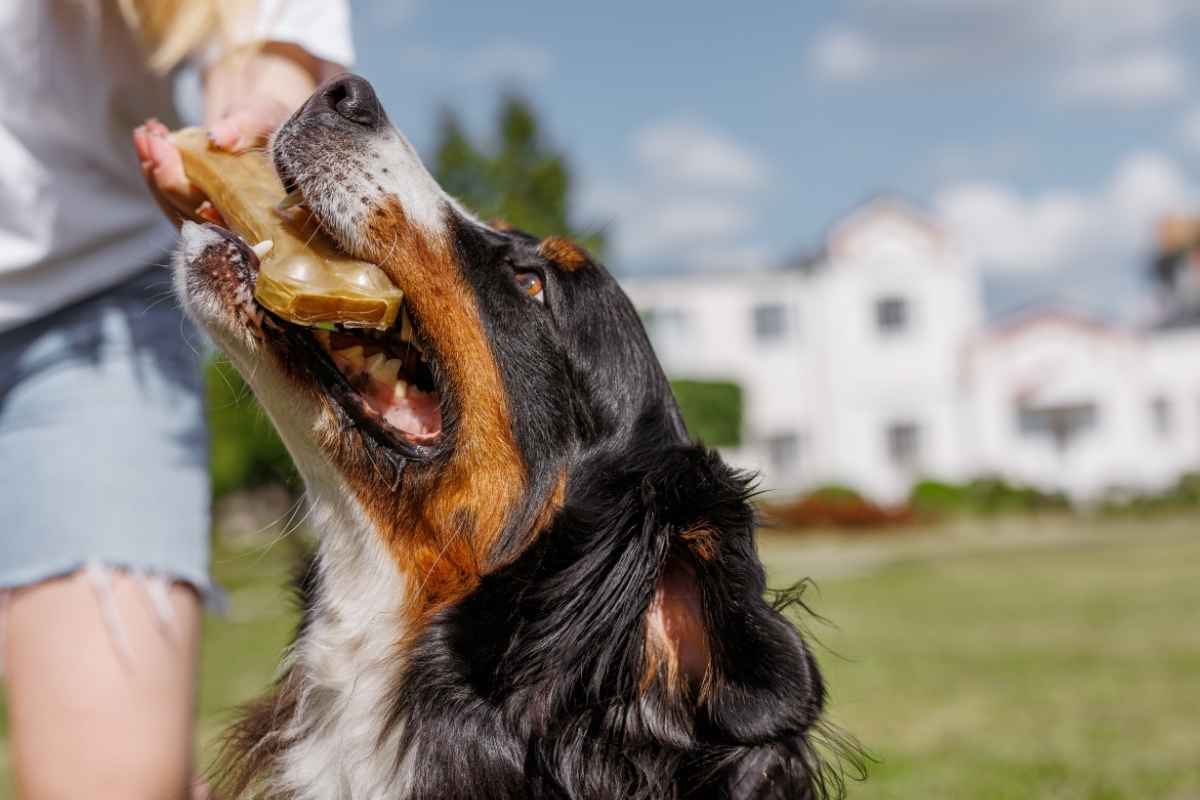
Dental treats work primarily through mechanical action. As dogs chew, the texture of the treat helps scrape plaque from the tooth surface before it hardens into tartar.
Some products also contain ingredients designed to:
- Reduce plaque accumulation
- Slow tartar formation
- Support healthier gums
- Improve breath odor
Dental treats should be viewed as a supplement to pet dental care, not a replacement for brushing or professional dental cleanings.
What Makes a Dental Treatment Effective?
Before choosing a product, it’s important to understand what separates effective dental treats from ordinary dog treats.
Texture and Chewing Time
The best dental treats encourage prolonged chewing and contact with the teeth.
Size Appropriateness
Treats should be matched to your dog’s size and chewing habits.
Safety
Products should be easy to digest and designed specifically for canine oral health.
Scientific Support
Some dental treats have undergone testing to demonstrate their ability to reduce plaque and tartar buildup.
Choosing products with proven effectiveness can help maximize oral health benefits.
Vet-Approved Dental Treat Brands That Support Oral Health
Several dental treat brands are commonly recommended because they are designed specifically to promote dental hygiene.
Greenies Dental Treats
Greenies remain one of the most recognized dental chew options.
Potential benefits include:
- Textured design for plaque reduction
- Multiple size options
- Daily-use convenience
- Fresh breath support
Many dogs enjoy the taste, making them easy to incorporate into a daily routine.
OraVet Dental Hygiene Chews
OraVet chews combine mechanical cleaning with ingredients designed to create a protective barrier against bacteria.
Benefits may include:
- Plaque control
- Tartar reduction
- Fresh breath support
- Long-lasting oral health benefits
These chews are often recommended for dogs needing additional plaque management.
Virbac C.E.T. VeggieDent Chews
VeggieDent chews are plant-based dental treats formulated to support oral hygiene.
Features include:
- Unique texture
- Fresh breath support
- Daily dental maintenance
- Easy digestibility
Many dogs tolerate these chews well, including those with certain dietary sensitivities.
Purina Dentalife Daily Oral Care Chews
Dentalife chews feature a porous texture designed to reach difficult areas of the mouth.
Potential benefits include:
- Plaque reduction
- Tartar management
- Fresh breath support
- Daily use convenience
Their flexible design encourages longer chewing sessions for many dogs.
Hill’s Prescription Diet Dental Chews
Some veterinary-specific dental products are formulated to support pets with higher oral health needs.
These products may be recommended as part of a broader dental care plan.
Why Brushing Still Matters
Even the most effective dental treats cannot completely replace brushing.
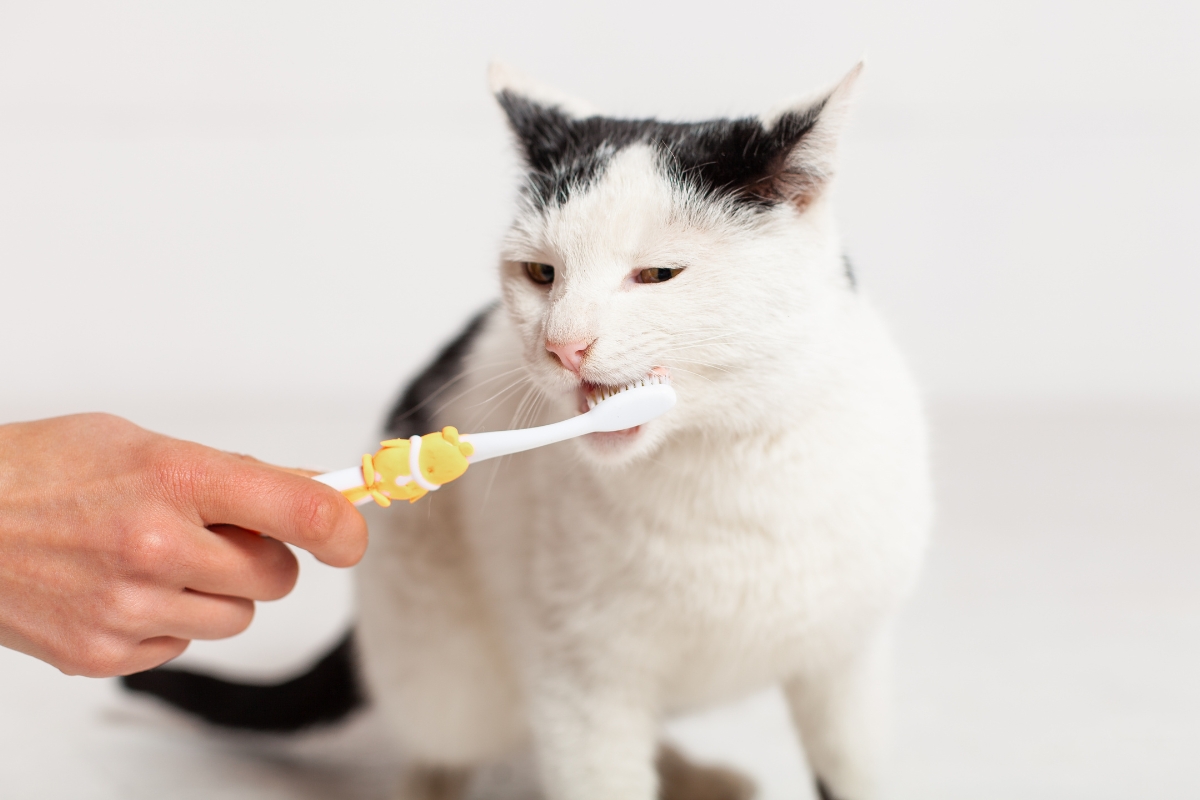
Daily tooth brushing remains the most reliable way to remove plaque before it hardens into tartar.
Brushing helps:
- Remove bacteria
- Reduce plaque buildup
- Protect gum health
- Prevent periodontal disease
Combining dental treats with brushing typically provides better results than relying on either method alone.
How Often Should Dogs Receive Dental Treats?
Most dental treats are designed for daily use.
However, recommendations vary based on:
- Product type
- Dog size
- Calorie requirements
- Existing dental health
Always follow manufacturer guidelines and veterinary recommendations.
Around this point in your dog’s dental care journey, consulting a trusted veterinarian or an experienced veterinary hospital can help determine which dental products are best suited for your pet’s oral health needs.
A personalized dental care plan often provides the most effective long-term results.
Signs Your Dog May Need Professional Dental Care
Dental treats can help maintain oral health, but they cannot reverse advanced dental disease.
Watch for signs such as:
- Persistent bad breath
- Red or bleeding gums
- Loose teeth
- Difficulty chewing
- Excessive drooling
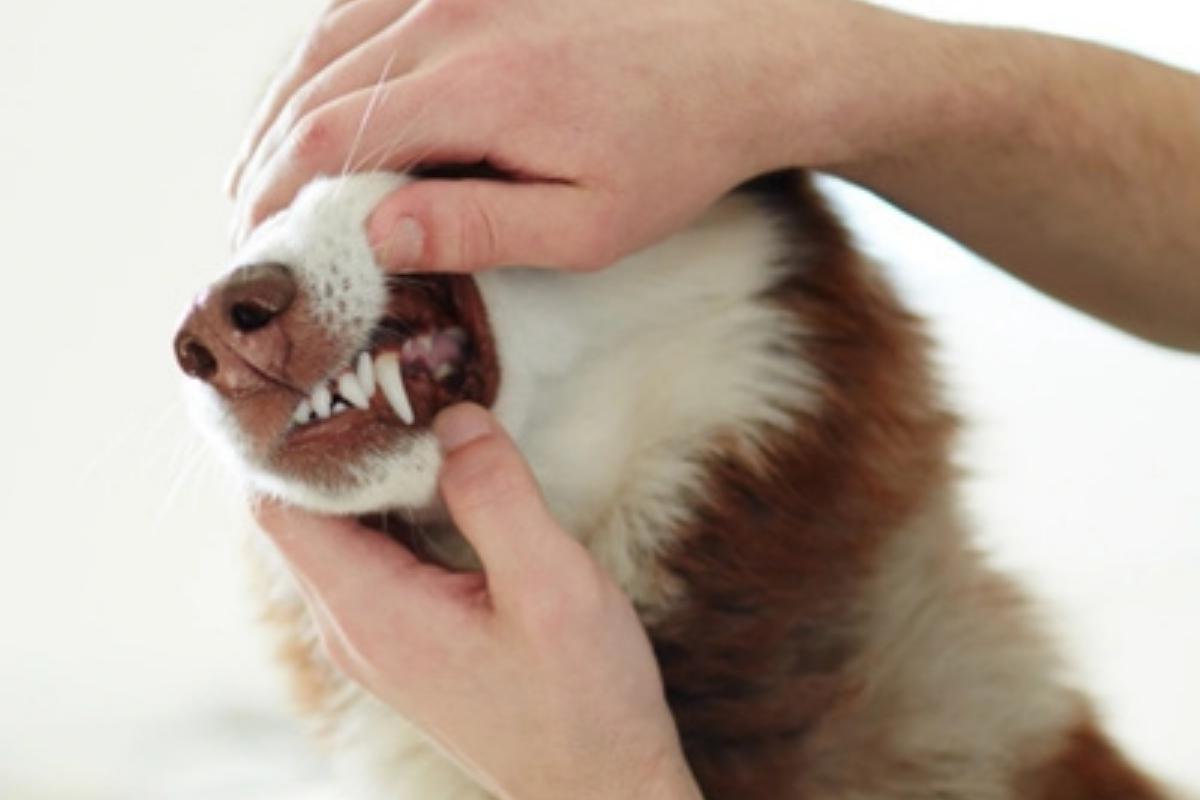
- Visible tartar buildup
- Pawing at the mouth
If any of these symptoms appear, schedule a professional dental evaluation.
Professional Dental Cleanings and Their Role
Even dogs with excellent home care may eventually require professional dental cleanings.
Professional dental procedures allow veterinary teams to:
- Remove tartar above and below the gumline
- Evaluate gum health
- Identify hidden dental disease
- Take dental X-rays when needed
- Treat painful oral conditions
Routine professional cleanings remain one of the most important tools for maintaining lifelong dental health.
Choosing the Right Dental Treat for Your Dog
Not every product is suitable for every pet.
Consider factors such as:
Age
Puppies, adults, and senior dogs may have different chewing abilities.
Size
Small dogs require appropriately sized dental treats.
Health Conditions
Dogs with food allergies, obesity, or digestive sensitivities may need specific formulations.
Chewing Habits
Aggressive chewers may require more durable products.
Selecting the right product improves both safety and effectiveness.
Dental Care Tips for Dog Owners
To maximize your dog’s oral health:
- Brush teeth daily when possible
- Use dental treats consistently
- Schedule regular dental evaluations
- Monitor for signs of oral discomfort
- Feed a balanced diet
- Follow veterinary recommendations
Small daily habits can significantly reduce the risk of dental disease over time.
Why Preventive Dental Care Saves Money
Preventing dental disease is often far less expensive than treating advanced oral health problems.
Routine preventive care may help reduce the likelihood of:
- Tooth extractions
- Oral infections
- Advanced periodontal disease
- Emergency dental procedures
Investing in dental health today can help protect both your dog’s comfort and your budget.
Keep Your Pet’s Teeth in Top-Notch Condition
Dental treats can be a valuable addition to your dog’s oral care routine when chosen carefully and used consistently. Products such as Greenies, OraVet, VeggieDent, and Dentalife are commonly recommended to help reduce plaque and support healthier teeth and gums.
However, dental treats work best when combined with daily brushing, regular wellness exams, and professional dental cleanings. If you’re concerned about your dog’s oral health, book an appointment with Best Care Pet Hospital for pet dental services in Sioux Falls. Our team can help create a personalized dental care plan to keep your pet’s smile healthy for years to come.
FAQs
Q1: Do dental treats really reduce plaque in dogs?
Ans. Yes. Many dental treats help reduce plaque through chewing action and specialized formulations designed to support oral health.
Q2: Are dental treats a substitute for brushing my dog’s teeth?
Ans. No. Dental treats can supplement oral care, but daily brushing remains the most effective way to prevent plaque buildup.
Q3: How often should I give my dog dental treats?
Ans. Most dental treats are intended for daily use, though you should always follow the manufacturer’s recommendations and your veterinarian’s advice.
Q4: What are the best dental treats recommended by veterinarians?
Ans. Commonly recommended options include Greenies, OraVet, Virbac C.E.T. VeggieDent, and Purina Dentalife products.
Q5: When should my dog have a professional dental cleaning?
Ans. The frequency varies based on age, breed, and dental health, but regular professional evaluations help determine the appropriate schedule.